

If you are a driver of a public or personal vehicle then you should know about the Vehicle suspension system types used in the USA. It is important to understand off-road driving. In automotive engineering, few components play as crucial a role as the suspension system. It will help in a smooth and comfortable ride while maintaining optimal control and stability.
Recent Released: 2025 Infiniti QX80 First Drive Review – Launch in USA
From the rugged terrains of off-road adventures to the high-speed thrills of the racetrack, each vehicle demands a Vehicle Suspension System Types tailored to its unique performance requirements.
The DeckersAuto will discuss vehicle suspension systems, exploring their types, functions, and the engineering technology that makes them an important component in the automotive industry.
The Backbone of Ride Quality: Understanding Suspension Systems
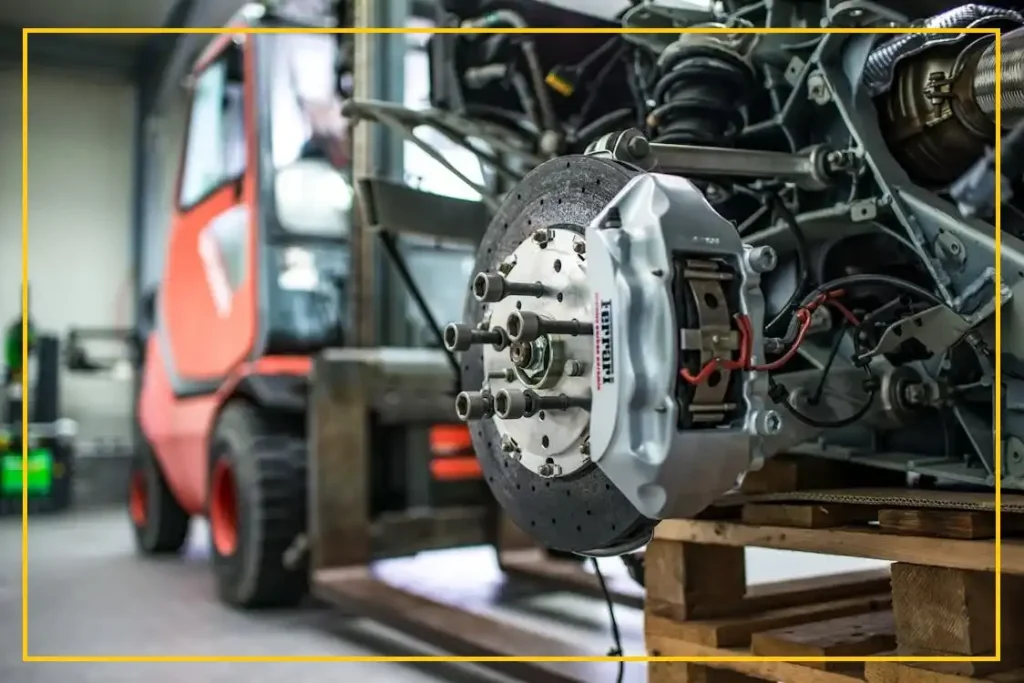
At its core, a Vehicle Suspension System Types acts as an intermediary between the vehicle and the road, absorbing the impacts and undulations that would otherwise transfer directly to the occupants. By effectively damping the vibrations and oscillations caused by uneven surfaces, these systems provide a more comfortable and controlled ride experience.
The primary components of a suspension system are:
- Springs: These components, whether coil, leaf, or air-based, are responsible for absorbing the initial impact and supporting the vehicle’s weight. They store and release energy, allowing for a smoother ride over bumps and dips.
- Shock Absorbers: Working in tandem with the springs, shock absorbers control the oscillations and dampen the rebound, preventing excessive bouncing or jarring movements.
- Linkages and Control Arms: These components connect the wheels to the vehicle’s frame, allowing for precise control and movement while maintaining proper alignment and geometry.
By carefully tuning the combination of these components, engineers can strike the perfect balance between ride comfort, handling characteristics, and load-bearing capabilities, tailoring the suspension system to meet the specific demands of each vehicle.
The Diverse Automotive Industry of Vehicle Suspension System Types

The automotive industry has witnessed the evolution of various suspension system designs, each catering to unique performance requirements and driving conditions.
Conventional Coil Spring Suspension
One of the most common and time-tested Vehicle Suspension System Types, the conventional coil spring suspension, is found in a wide range of vehicles, from sedans to SUVs. Featuring coil springs and shock absorbers, this system offers a balance between ride comfort and handling, making it a reliable and cost-effective choice for everyday driving.
Leaf Spring Suspension
Renowned for its durability and load-bearing capabilities, the leaf spring suspension is a popular choice for larger vehicles, such as trucks, vans, and trailers. Composed of flexible steel strips, these springs effectively absorb shocks and support heavy loads, making them ideal for hauling and off-road applications.
Macpherson Strut Suspension
Widely adopted in modern passenger cars, the Macpherson strut suspension combines the functions of a coil spring and a shock absorber into a single unit. This space-efficient design not only improves handling and steering response but also provides a comfortable ride, making it a versatile choice for urban commuting.
Multi-Link Suspension
For those seeking the ultimate in handling and performance, the multi-link Vehicle Suspension System Types is the pinnacle of engineering excellence. Utilizing multiple arms and links to control wheel movement, this intricate design offers superior traction, reduced body roll, and precise handling characteristics, making it a favorite among high-performance sports cars and luxury vehicles.
Air Suspension
Offering unparalleled adaptability, air Vehicle Suspension System Types employ air-filled bellows or bags to support the vehicle’s weight. By allowing the driver to adjust the ride height and firmness, these systems can seamlessly transition from a smooth, comfortable ride to a lowered, sporty stance, catering to diverse driving preferences and conditions.
To provide a complete overview, here’s a table highlighting the basic features and applications of these Vehicle Suspension System Types:
| Suspension System | Basic Features | Typical Applications |
| Conventional Coil Spring | Coil springs, shock absorbers, reliable, cost-effective | Sedans, SUVs, everyday driving |
| Leaf Spring | Steel leaf strips, durable, load-bearing | Trucks, vans, trailers, off-road |
| Macpherson Strut | Space-efficient, coil spring + shock absorber, handling | Passenger cars, urban commuting |
| Multi-Link | Multiple arms/links, superior handling, reduced body roll | High-performance sports cars, luxury vehicles |
| Air Suspension | Adjustable ride height, adaptable firmness | Luxury vehicles, off-road/performance applications |
Engineering Technology Behind Vehicle Suspension System Types
While the visible components of a Vehicle Suspension System Types are impressive in their own right, the true engineering marvels lie in the intricate calculations and design principles that govern their performance.
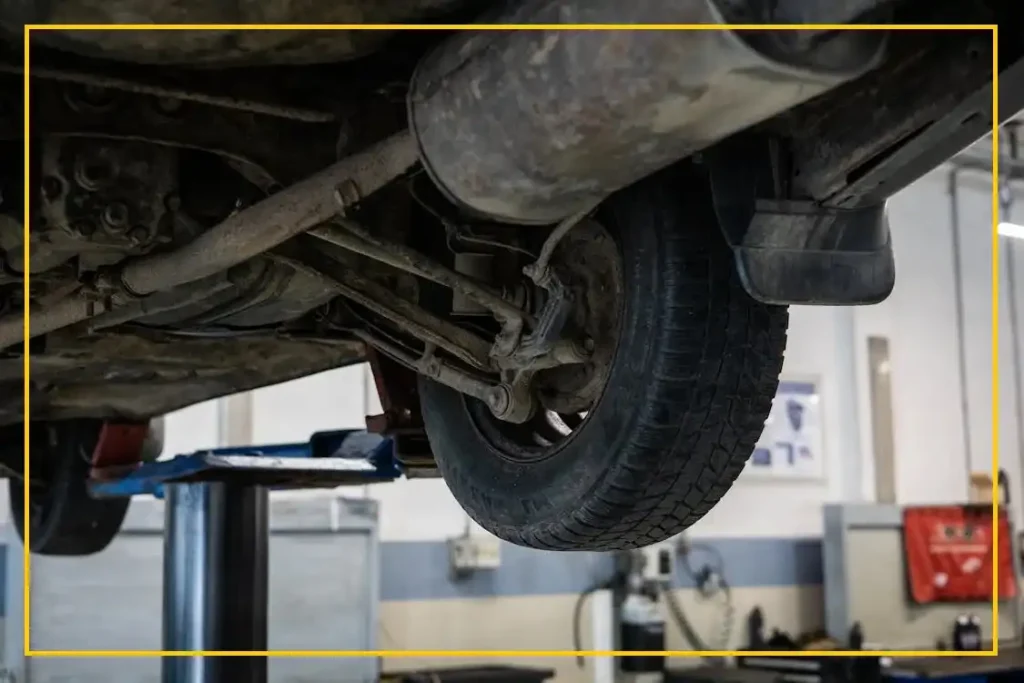
From kinematics and dynamics to materials science and computer simulations, the development of these systems involves a multidisciplinary approach that pushes the boundaries of automotive engineering.
One of the basic factors in suspension design is the concept of suspension geometry, which encompasses the precise arrangement and angles of the various linkages and control arms.
By meticulously engineering these geometries, manufacturers can optimize factors such as camber, caster, and toe, ensuring optimal tire contact with the road surface and minimizing unwanted side effects like tire wear and handling instabilities.
Additionally, the selection of materials plays a crucial role in the performance and durability of suspension components. From high-strength steel alloys for leaf springs to lightweight aluminum and composite materials for control arms, each material is carefully chosen to strike the perfect balance between strength, weight, and corrosion resistance.
Computer Aided Engineering (CAE) and Finite Element Analysis (FEA) have also revolutionized the design process, allowing engineers to simulate and analyze the performance of Vehicle Suspension System Types under various load conditions and scenarios.
These virtual simulations not only streamline the development process but also enable the exploration of innovative designs and materials, pushing the boundaries of what’s possible.
Finally
As we had discussed, Vehicle Suspension System Types are not mere assemblies of springs and dampers; they are engineering masterpieces that seamlessly blend physics, materials science, and innovative technologies.
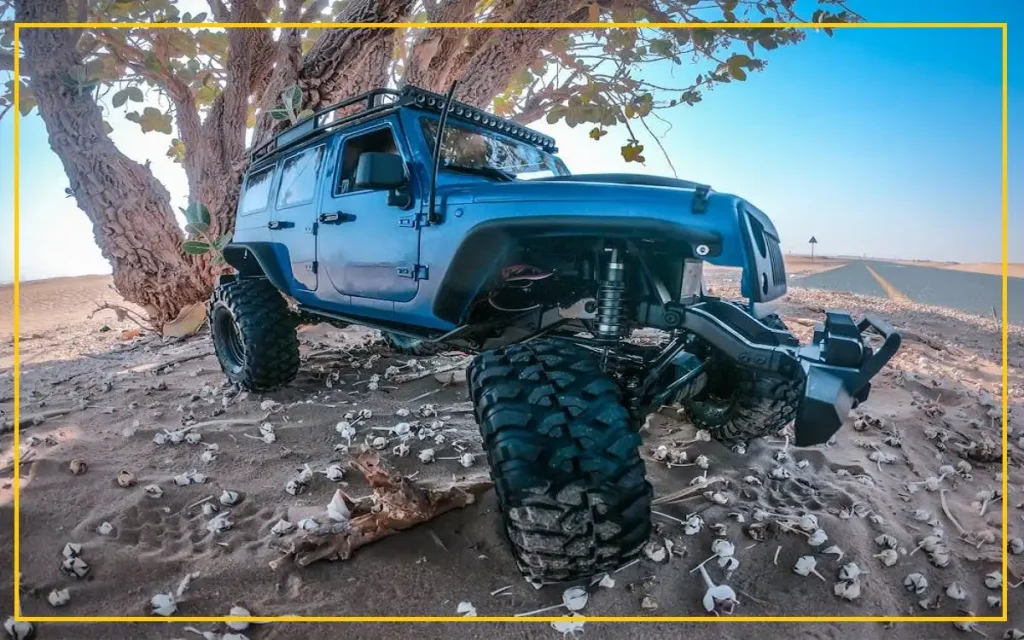
From the rugged leaf springs of off-road vehicles to the precision-engineered multi-link systems of high-performance sports cars, each suspension design is a testament to the ingenuity and dedication of automotive engineers.
As the industry continues to evolve, embracing new materials, technologies, and design philosophies, the future of Vehicle Suspension System Types promises even greater levels of comfort, control, and adaptability. Whether traversing the urban jungle or conquering the most challenging terrains, the art of suspension engineering will continue to shape our driving experiences, ensuring a seamless connection between vehicle and road.
More Automotive Update Visit Deckers Auto