
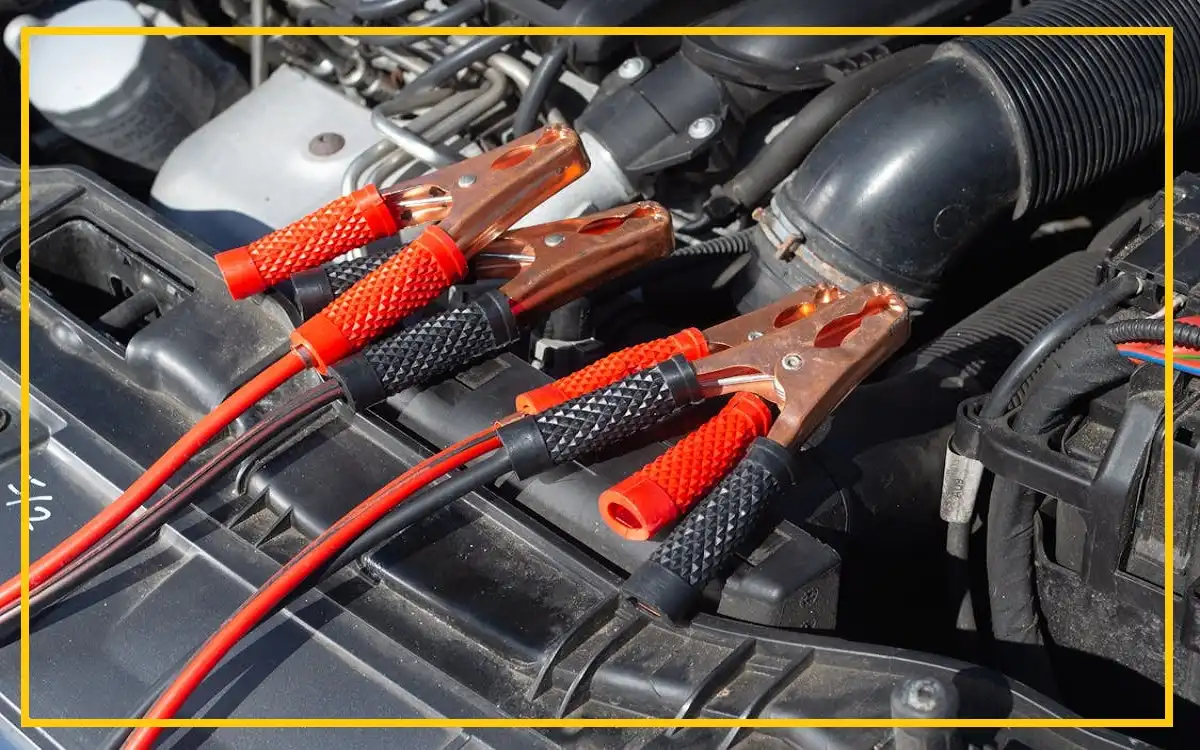
How to Jump Start a Car? A car can seem daunting, especially if this is your first time doing it. However, with the right knowledge and tools, you can easily revive a dead battery and return to the road. This information will provide step-by-step instructions, safety precautions, and tips for a successful jump start.
Recent Released: Boost Your Car’s Performance with Filtro de Aire DFA-2775 para Kia Rio Equivalentes
Introduction
A dead car battery is one of drivers’ most common issues, often occurring at inconvenient times. Whether it’s due to leaving the lights on overnight or an old battery nearing its end, knowing how to jump-start a car can save you from being stranded. The DeckersAuto shares the process of jump-starting a vehicle safely and effectively. I can be done using either another car or a portable jump starter.
Preparation Steps – How to Jump Start a Car
Before you begin the jump-starting process, gathering your tools and preparing both vehicles is essential.
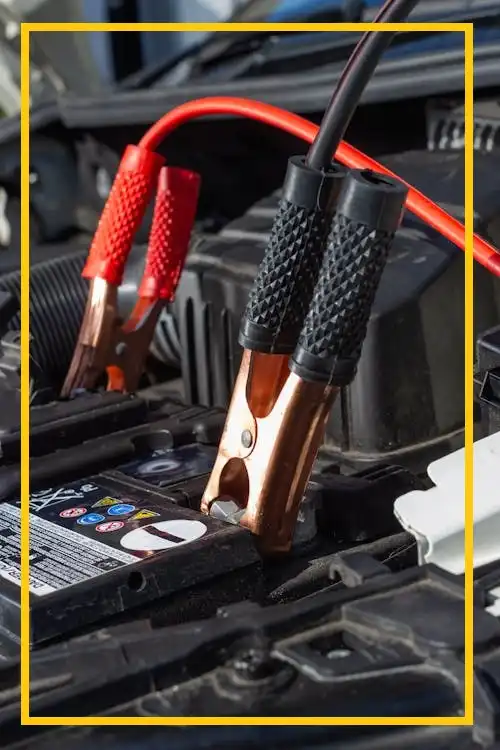
Gather Your Tools:
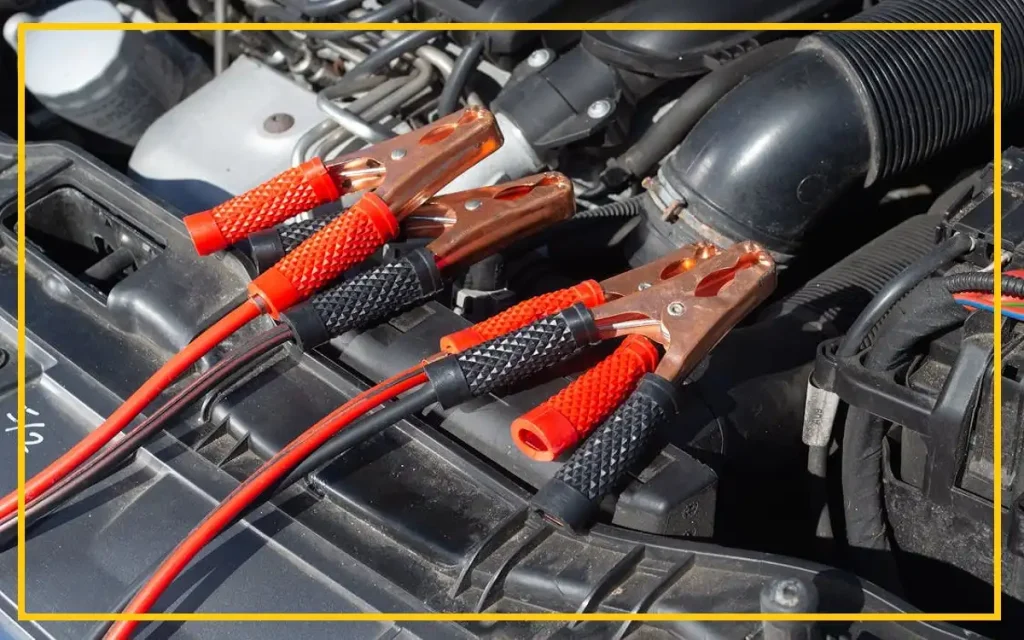
- Jumper Cables: Make sure you have a good set of jumper cables.
- Working Vehicle: You will need a vehicle with a charged battery or a portable jump starter.
Safety First:
- Positioning: Park both vehicles close enough for the jumper cables to reach, but ensure they do not touch each other.
- Turn Off Electronics: Switch off all electronics in both vehicles, including lights and radios.
- Check the Owner’s Manual: Refer to your vehicle’s manual for specific instructions for jump-starting your model.
Step-by-Step How to Jump Start a Car Process
Now that you’re prepared follow these steps to jump-start your vehicle:
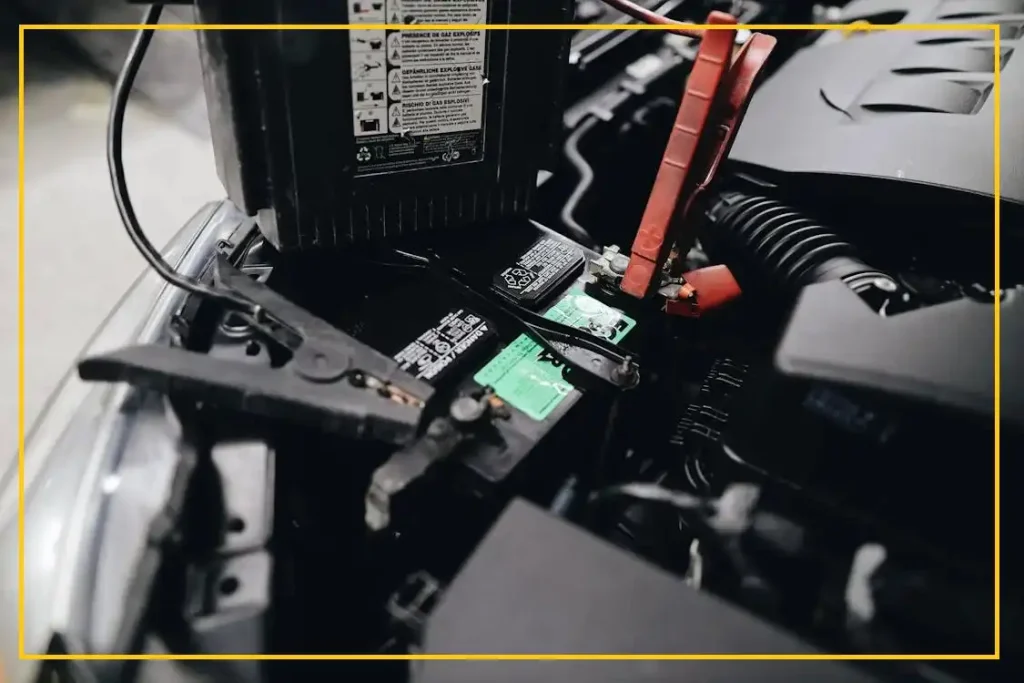
Connect the Jumper Cables:
- Attach one red clamp to the dead battery’s positive (+) terminal.
- Connect the other red clamp to the positive terminal of the good battery.
- Attach one black clamp to the good battery’s negative (-) terminal.
- Connect the last black clamp to an unpainted metal surface on the car with the dead battery, away from the battery itself.
Start the Working Vehicle:
- Start the donor car’s engine and let it idle for about 5 minutes. It allows some charge to transfer to the dead battery.
Attempt to Start Your Car:
- Try starting your vehicle with the dead battery. If it starts, let it run for at least 15-20 minutes to recharge sufficiently.
Disconnecting Cables:
- Once your vehicle starts, carefully remove the jumper cables in reverse order: first, remove the black clamp from your car, then from the donor car, followed by the red clamps.
Additional Tips
- Keep Jumper Cables Handy: Keep a set of jumper cables in your trunk as part of your emergency kit.
- Monitor Battery Health: If your car frequently requires jump-starts, consider having your battery diagnostic Test or replaced, as it may be failing.
- Drive After Jump-Starting: To ensure that your battery recharges properly, drive around for at least 15 minutes after starting your vehicle.
Read: How Long Do Car Batteries Last in USA
Troubleshooting If Your Car Won’t Start
If your car doesn’t start after attempting to jump it, here are several troubleshooting steps:
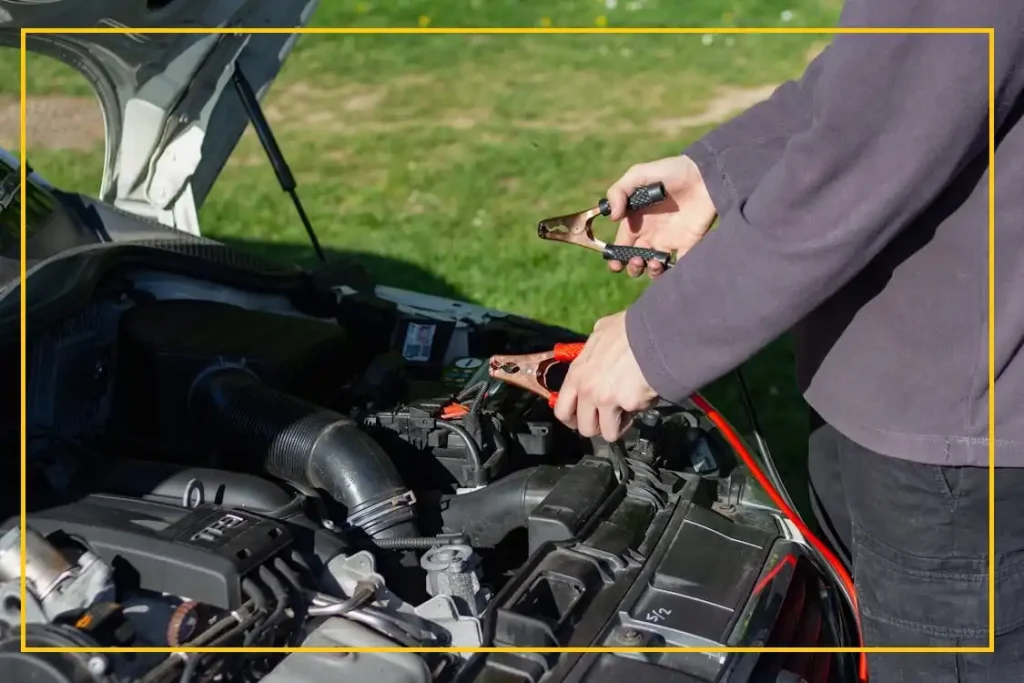
- Verify Connections: Ensure all jumper cable connections are secure and correctly placed.
- Inspect Battery Terminals: Look for corrosion around terminals; clean if necessary.
- Allow More Charging Time: If severely depleted, allow more time for charging before trying again.
- Check Battery Age and Condition: If older than 3-5 years, consider replacing it, as it may not hold a charge effectively anymore.
- Examine Electrical Components: Check if dashboard lights come on when turning the key; lack of response could indicate electrical issues.
Read: How to Jump Start Electric Car Battery in America
Safety Precautions How to Jump Start a Car [Tips]
Jump-starting can be risky if proper safety precautions are not followed. Here are some essential tips:
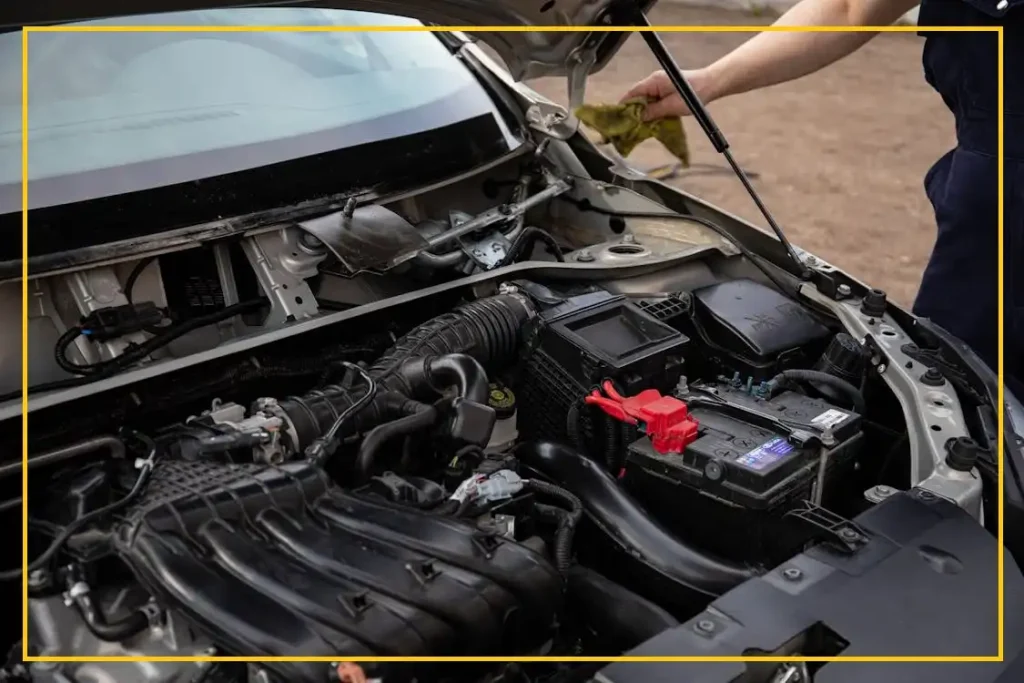
- Read the Owner’s Manual: Always consult both vehicles’ manuals for specific instructions or warnings related to jump-starting.
- Turn Off Both Vehicles: Ensure both cars are completely off before connecting cables to prevent electrical surges.
- Avoid Contact Between Cables: Never let cable ends touch each other while connected; this can create sparks.
- Remove Jewelry: Take off any metal jewellery that could conduct electricity and pose a risk of shock or burns.
- Wear Protective Gear: Use safety glasses and gloves to protect against potential battery explosions or acid leaks.
Using a Portable Jump Starter
Instead of relying on another vehicle, you can use a portable jump starter.
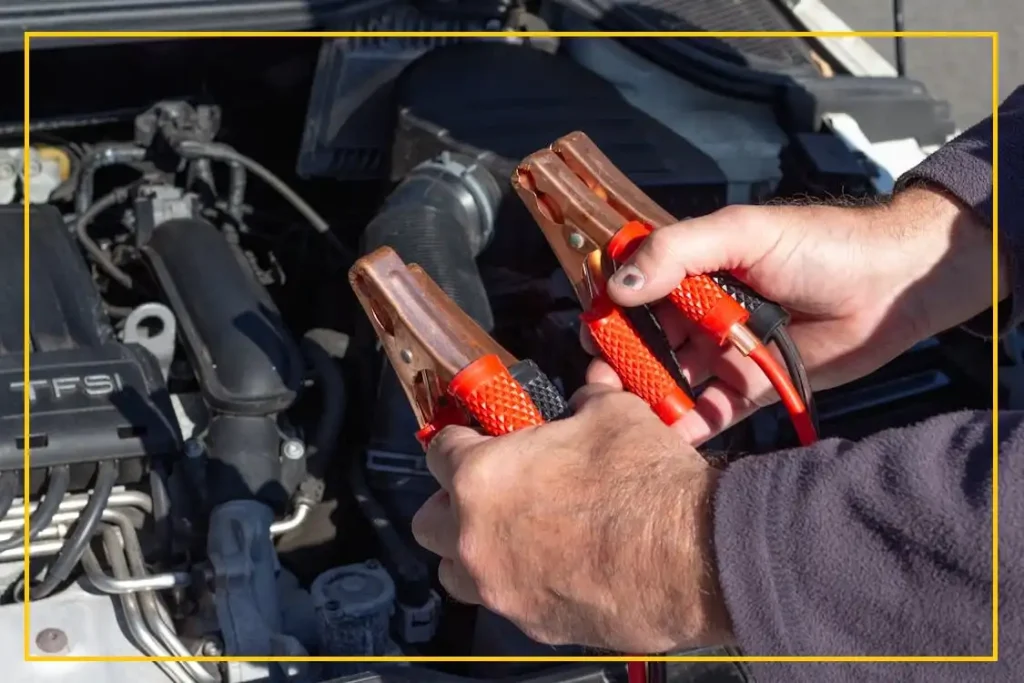
Here are some advantages:
- Convenience: Ideal for situations where you’re alone or in remote areas without another vehicle.
- Safety: Reduces risks associated with connecting two vehicles directly.
- Ease of Use: Connect clamps to corresponding terminals and turn on the device to jump start diesel car battery or other fuel source automotive
Advantages of Portable Jump Starters
| Feature | Standard Jumper Cables | Portable Jump Starter |
| Requires Another Car | Yes | No |
| Risk of Damage | Higher | Lower |
| Ease of Use | Moderate | Very Easy |
| Additional Features | None | USB ports, LED lights |
How Long Should You Let The Working Car Run?
When using another vehicle for a jump start:
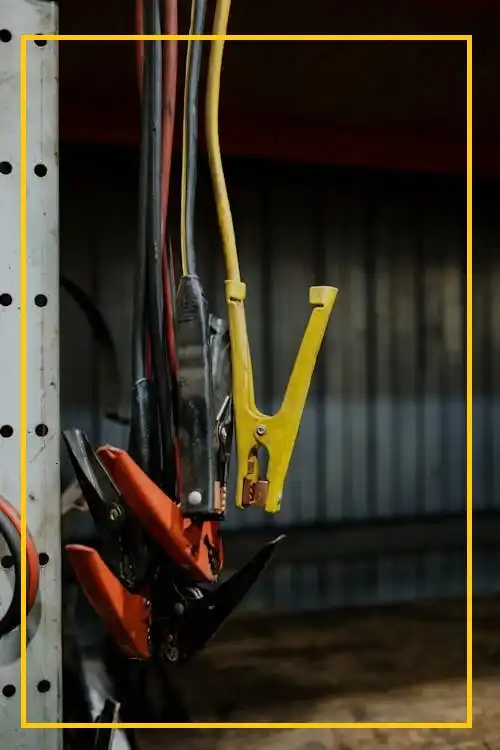
- Let it run for at least 5 minutes before starting the dead car.
- Allowing 10 to 15 minutes is advisable for significantly depleted batteries for optimal results.
Once started, keep both vehicles running for 15 to 30 minutes to ensure proper dead battery charging.
Signs Your Car Battery Needs Replacement
Recognizing when your battery needs replacement is crucial in avoiding unexpected breakdowns. Here are key indicators:
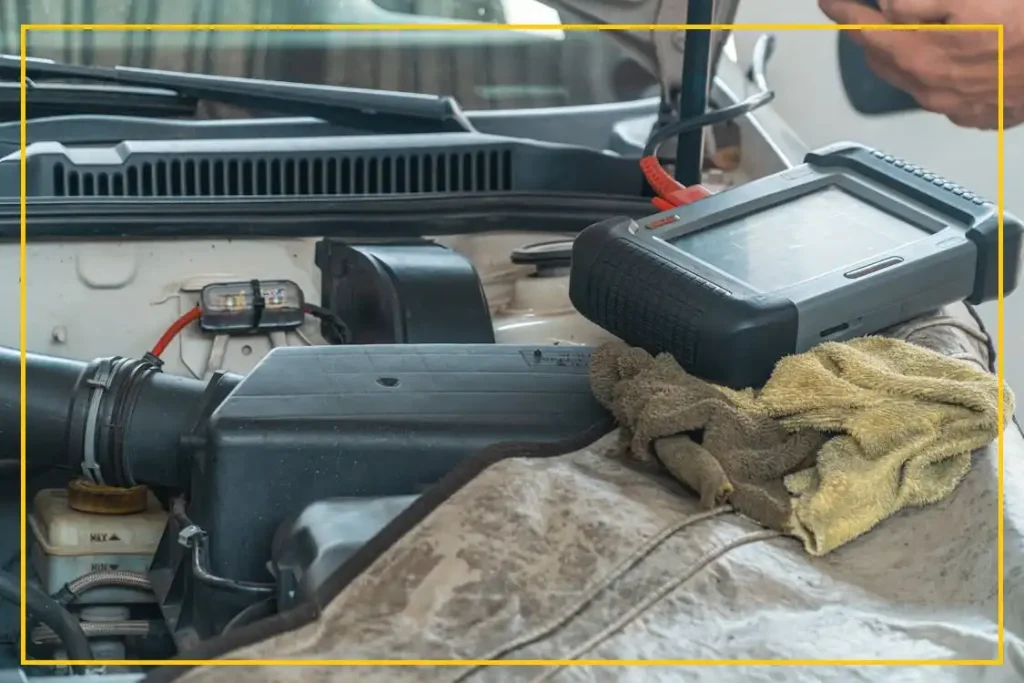
- Difficulty Starting Engine: Slow cranking or prolonged starting time can signal a failing battery.
- Dimming Headlights: Noticeably dim headlights while running indicate an insufficient power supply.
- Frequent Jump Starts: Regularly needing assistance suggests a declining ability to hold a charge.
- Electrical Issues: Strange problems like sluggish power windows can often be traced back to weak batteries.
- Old Age: Batteries typically last between three to five years; if yours is nearing this age and shows symptoms, consider testing or replacing it.
Additional Signs
| Sign | Description |
| Physical Damage | Cracks or leaks indicate immediate replacement needed. |
| Bad Smell | Sulfuric smell suggests leakage or venting gases. |
Finally
How to Jump Start a Car? It is an essential skill that every driver should master. You can confidently tackle a dead battery situation by following these detailed steps and safety precautions. Whether using another vehicle or opting for a portable jump starter, being prepared ensures you can stay on track won’t when you need your vehicle most.
Regularly monitor your battery’s health and recognize signs that indicate when it’s time for a replacement to maintain optimal performance. With this knowledge, you can handle any jump-start situation effectively!
More Automotive Update Visit Deckers Auto