
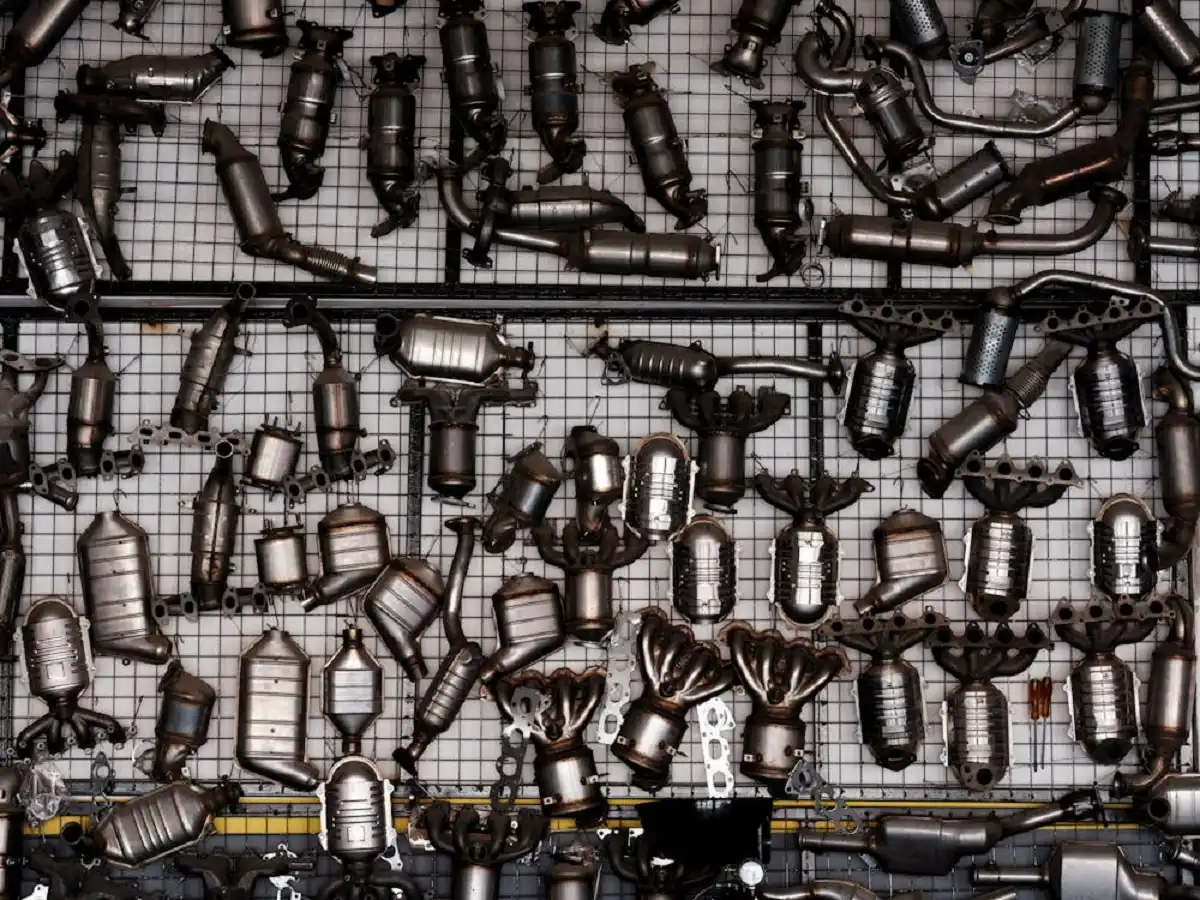
If you own a car in 2026, you likely know that keeping it running smooth is getting more expensive every year.
One of the most annoying parts that can fail is the catalytic converter, which is basically your car’s way of cleaning up exhaust gases.
When this part gets clogged up with carbon or oil, your car starts to feel sluggish, your fuel economy drops, and that scary check engine light pops up on your dashboard.
Replacing one of these can cost thousands of dollars, but the good news is that you can often fix the problem yourself with some simple tools.
The DeckersAuto expert share the information about the exactly how to clean catalytic converter units without spending a fortune at the mechanic.
Whether you have a traditional gas car or one of the newer 2026 hybrids, these steps will help you restore your performance.
P0430 Code: Fix Catalyst Efficiency Issues on Bank 2 at Deckers Auto
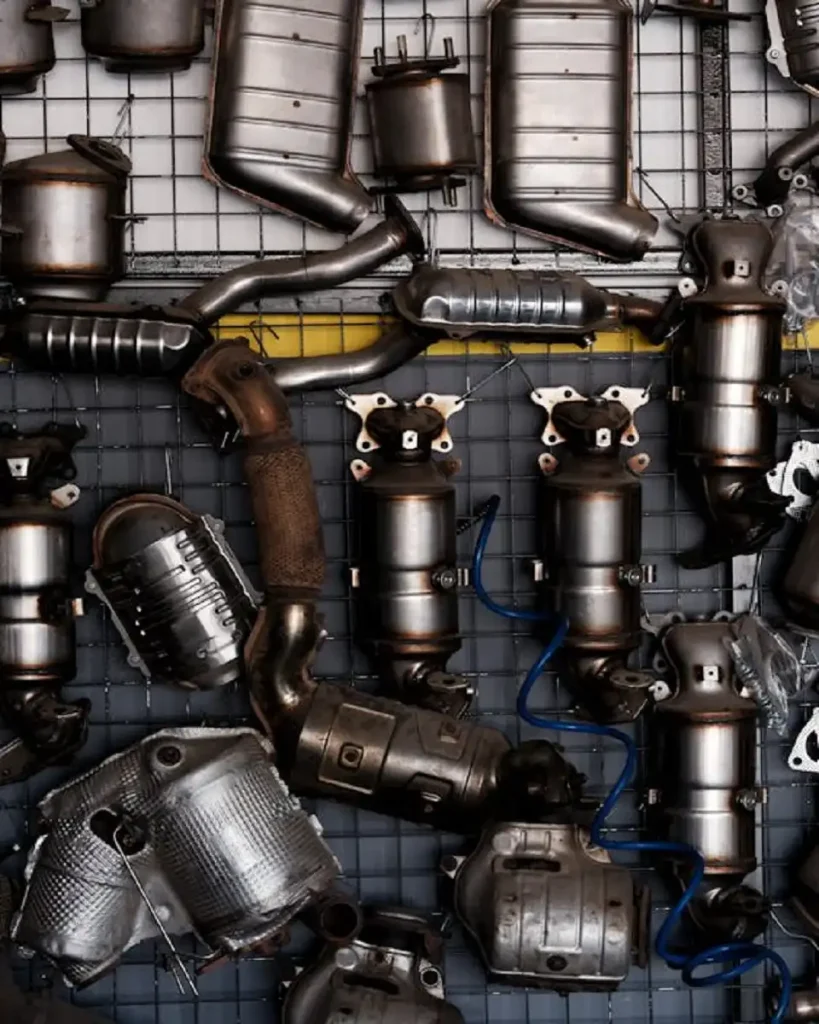
Why You Need to Know How to Clean Catalytic Converter in 2026
The year 2026 has brought even stricter emission laws, which means your car needs to be cleaner than ever before to pass inspection.
A dirty converter doesn’t just hurt the environment, it actually puts a lot of stress on your engine because it creates backpressure.
Imagine trying to breathe through a straw that is half filled with sand, that is exactly what your engine feels like when the converter is clogged.
By learning how to clean catalytic converter systems at home, you can save a lot of money and keep your vehicle on the road for much longer.
It is also important for the newer hybrid models that are everywhere now, because they cycle their engines on and off, which can lead to faster carbon buildup.
What Are The Common Timing Belt Symptoms In American Used Cars
Latest Tools and Solutions for Cleaning a Catalytic Converter
Before you start, you need to know that technology has changed a bit in the last few years.
In 2026, we have some very powerful chemical cleaners like Glimatic and advanced kits from MotorPower Care that work much better than the old stuff.
You should always have a basic set of tools ready, including a jack, some safety stands, and maybe a socket wrench if you plan on removing the part.
However, many people now prefer the “no removal” method because it is faster and involves less risk of breaking a rusty bolt.
You will also want to have a diagnostic scanner, because identifying the specific error code, like P0420, is the first step in knowing if a cleaning will actually work.
How To Buy American Motor Company Eagle Car Automotive Repair And Services
Important Signs and Symptoms of a Clogged Converter
You might be wondering if your car actually needs a cleaning or if something else is wrong.
One of the first things you will notice is a rotten egg smell, which is actually sulfur that isn’t being processed correctly.
Your car might also struggle to accelerate when you merge onto the highway, feeling like it has lost its “pep.”
If you notice your fuel tank is emptying faster than usual, that is another big red flag that your exhaust system is struggling.
Finally, if the engine is running hotter than normal, it could be because the hot gases are getting trapped inside the manifold.
7 Signs of Diagnostic Test For Cars Identify Issues And rectify In America
Essential Safety Precautions for DIY Exhaust Work
Working on cars can be dangerous if you don’t follow the rules, so please be careful.
Never ever work on a car that was just running, because the exhaust system stays incredibly hot for a long time.
Always use jack stands to support the weight of the vehicle, never rely on just a floor jack because those can fail.
Wear safety glasses to keep rust and chemicals out of your eyes, and use gloves to protect your hands from sharp metal edges.
Make sure you are working in a place with plenty of fresh air, because you don’t want to breathe in those chemical fumes or exhaust gas.
What Is The Signs of A Bad Transmission [Warning Signs You Need Repair]
How to Clean Catalytic Converter Using the “Italian Tune-Up”
This is the oldest trick in the book, and surprisingly, it still works for minor clogs in 2026.
An “Italian Tune-Up” basically means driving your car hard to get the exhaust temperature high enough to burn off the carbon.
First, you need to find a clear stretch of highway where you can safely drive at higher speeds.
Once the engine is fully warmed up, you want to keep your RPMs above 3,000 for about 15 to 20 minutes.
This intense heat helps the catalyst inside the converter “regenerate” by turning the solid soot into gas that blows out the tailpipe.
This method is great for people who mostly drive in the city, because city driving never gets the converter hot enough to clean itself naturally.
Improve Gas Mileage With DeckersAuto Assistance Tips
Step by Step Guide: Using Fuel Additives to Clean the System
If the high speed drive didn’t work, your next best bet is a specialized fuel additive.
First, wait until your gas tank is about one quarter full, because this ensures the cleaner is concentrated enough to work.
Pour the entire bottle of catalytic converter cleaner directly into the fuel filler neck.
Then, drive your car for about 15 miles to make sure the mixture gets through the fuel lines and into the combustion chamber.
After that, fill your tank back up with high quality fuel and continue driving as you normally would.
In 2026, products like Cataclean and the new Glimatic formulas are highly recommended because they are safe for modern oxygen sensors.
7 Signs of Bad Timing Belt Symptoms You Should Know
Advanced Method: Deep Cleaning with a Foam Spray Kit
Sometimes a pour in cleaner just isn’t strong enough for a heavy clog.
In these cases, you might want to use a foam spray kit like the ones from MotorPower Care.
For this method, you have to locate the upstream oxygen sensor, which is usually right before the converter.
Carefully unscrew the sensor and insert the long plastic tube from the foam can into the hole.
Spray the foam directly onto the honeycomb structure of the catalyst, following the instructions on the can for timing.
Once the foam has sat for about 20 minutes, put the sensor back in and start the car to blow out the dissolved residue.
Common Causes of Check Engine Light Flashing
When to Remove the Converter for a Soaking Wash
If your car still feels like it is dragging an anchor, you might need to take the part off completely.
This is a bigger job, so only try this if you are comfortable using a wrench and crawling under the car.
Once the converter is removed, you can soak it overnight in a large bucket filled with hot water and a strong degreaser or specialized cleaning solution.
Some people even use a low pressure washer to gently push water through the honeycomb cells.
Make sure the part is completely dry before you bolt it back onto your car, because you don’t want water getting sucked back into the engine.
Be very gentle with the internal material, because if you crack the ceramic honeycomb, the part is officially ruined.
Best Synthetic Oil For High-Mileage Engines in USA
Understanding the Internal Structure of a Converter
To understand why cleaning is so hard, you have to know what is inside that metal shell.
Inside, there is a ceramic honeycomb coated with precious metals like platinum, palladium, and rhodium.
These metals act as the “catalyst” that triggers the chemical reaction to clean your exhaust.
When carbon covers these metals, the reaction can’t happen, and that is what we call a “poisoned” or “masked” catalyst.
Cleaning is basically the process of stripping away that carbon mask so the precious metals can do their job again.
Important Factors for Catalytic Converter Health
- Type of Fuel: Always use high quality fuel from a reputable station to avoid excess sulfur buildup.
- Engine Health: If your engine is burning oil or leaking coolant, it will clog your converter very fast.
- Driving Habits: Short trips prevent the system from getting hot, so try to take a longer drive once a week.
- Maintenance: Changing your spark plugs and air filter regularly keeps the combustion clean.
- Product Choice: Only use cleaners that are labeled as “oxygen sensor safe” to avoid creating new problems.
- Early Detection: Fix small issues like a misfire immediately, because a misfire can melt a converter in minutes.
Comparing Different Cleaning Methods for 2026
Method 1: Fuel Additives
- Effort Level: Very Low.
- Cost: $25 to $50.
- Effectiveness: Best for light buildup and preventative care.
Method 2: Italian Tune-Up
- Effort Level: Low.
- Cost: Just the price of gas.
- Effectiveness: Good for city drivers with minor soot issues.
Method 3: Foam Spray (via O2 Port)
- Effort Level: Medium.
- Cost: $40 to $80.
- Effectiveness: High, works well for moderate clogs without removal.
Method 4: Full Removal and Soak
- Effort Level: High.
- Cost: $20 to $60 for chemicals.
- Effectiveness: The most thorough DIY way to clean a heavily dirty part.
Common Mistakes to Avoid When Cleaning
One of the biggest mistakes people make is using harsh chemicals like bleach or laundry detergent.
These can actually react with the precious metals and destroy the converter forever.
Another mistake is using a high pressure power washer on the high setting, which can literally shatter the ceramic inside.
Do not ignore the check engine light after cleaning, because you might need to clear the codes with a scanner for the car to recognize the fix.
Lastly, don’t try to clean a converter that is “rattling,” because a rattle means the internal structure has already broken apart.
The Role of Hybrid Technology in 2026 Emissions
As we move through 2026, more cars on the road are hybrids, which brings a new set of challenges.
Hybrid engines turn off often, which means the catalytic converter can cool down below its working temperature.
This “cold cycling” makes them more prone to a specific type of buildup that requires more frequent cleaning.
If you drive a hybrid, you should consider using a fuel additive every 5,000 miles as a part of your regular maintenance routine.
This helps keep the catalyst active and prevents that expensive “catalytic efficiency” code from popping up.
Final Thoughts on DIY Converter Maintenance
Cleaning your own catalytic converter is a great way to take control of your car’s health and save a lot of money. While it isn’t always a 100 percent guaranteed fix, it is almost always worth a try before you spend thousands on a replacement.
Most of the time, a good chemical cleaner or a spirited drive on the highway is all it takes to clear the cobwebs. Keep an eye on your dashboard, listen to how your engine sounds, and don’t be afraid to get your hands a little dirty.
Your car, and your wallet, will definitely thank you for the effort.
More Automotive Update Visit Deckers Auto