
Kia Electric Car Reviews:
Facelifted Kia EV6
When Kia first introduced the EV6 back in 2022, it felt like a turning point for the brand. Here was a Kia electric car that was not only practical and fast to charge, but genuinely exciting to look at and drive. It won top awards from major outlets around the world, including the prestigious Car of the Year title. Now, with the facelifted EV6 in its 2025–2026 form, Kia has gone back to a winning formula and made it better — bigger battery, smarter tech, sharper looks, and access to the vast Tesla Supercharger network. This review breaks down everything you need to know about the updated Kia EV6, from its refreshed design and real-world range to how it stacks up against tough competition in 2026.
What’s New With the Facelifted Design?
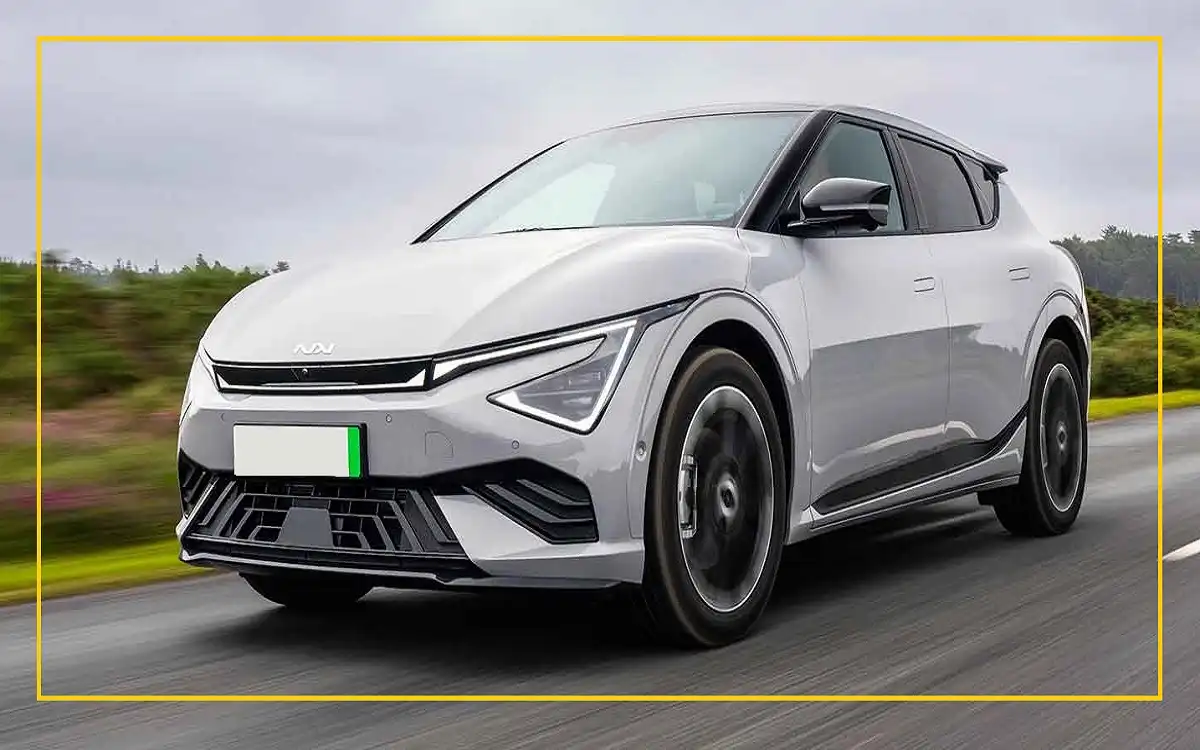
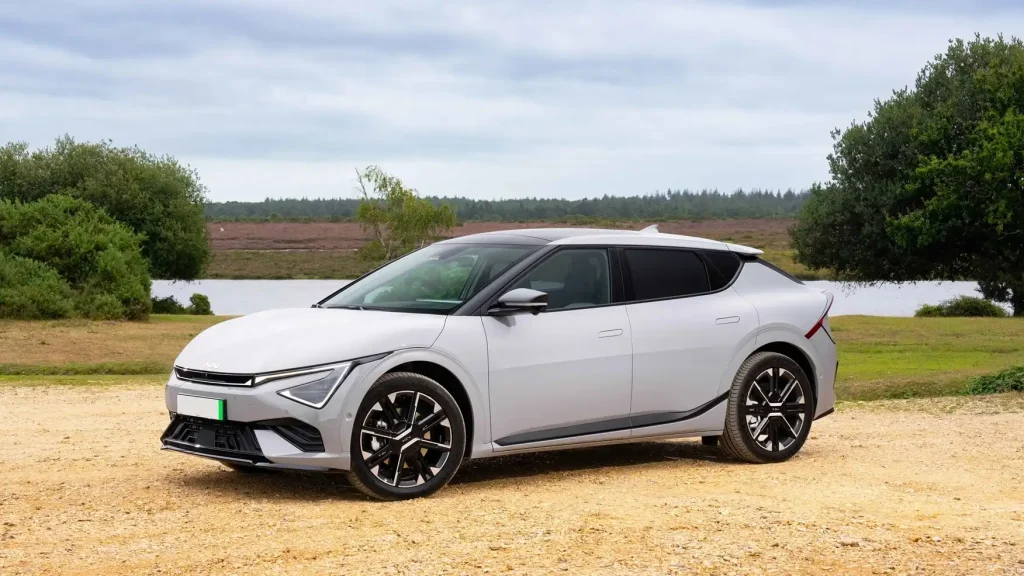
The facelifted Kia EV6 gets a meaningful visual refresh that brings it in line with the rest of Kia’s newer electric lineup. The most talked-about change is the new “Star Map” headlight signature at the front. These bold, angular light clusters create a distinctive look that connects the EV6 visually with the larger EV9 and the smaller EV3. Whether you love it or prefer the old lights is personal, but there is no doubt it makes the car look even more modern on the road.
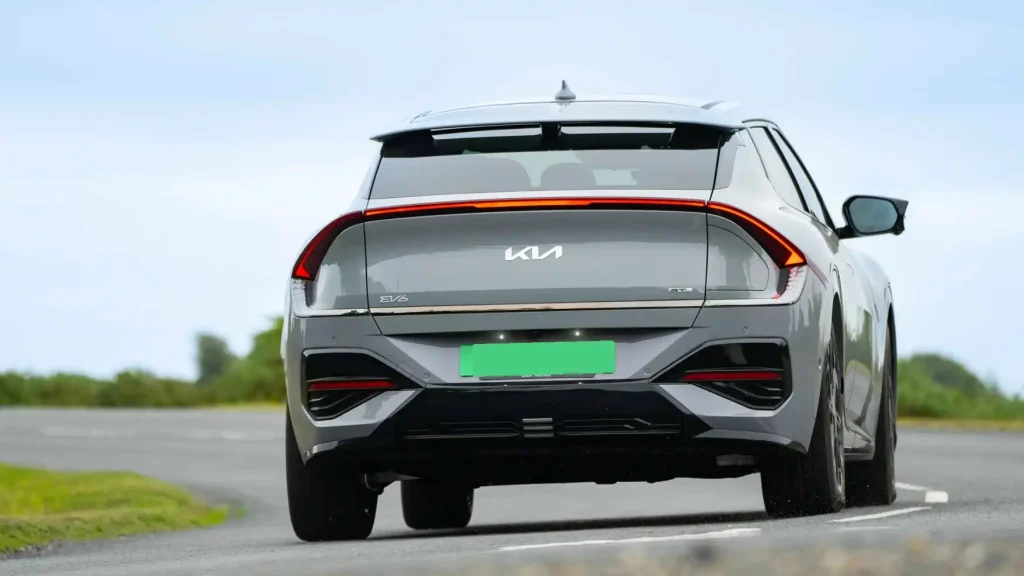
The rest of the exterior stays largely the same — and that is a good thing. The EV6 still features a low, sleek silhouette that sits somewhere between a hatchback and an SUV crossover. Updated lower body moldings, bumpers, and available wheel designs give it a slightly more polished appearance from the sides and rear. A distinctive split rear spoiler that flares outward at each end adds just a bit of personality without being overdone. The overall result is a more cohesive, confident-looking package.
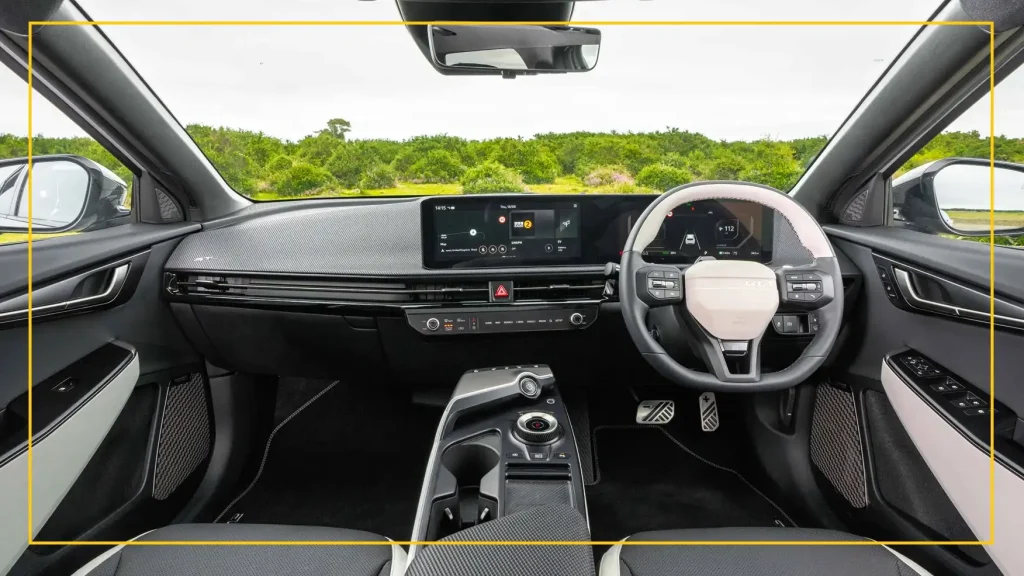
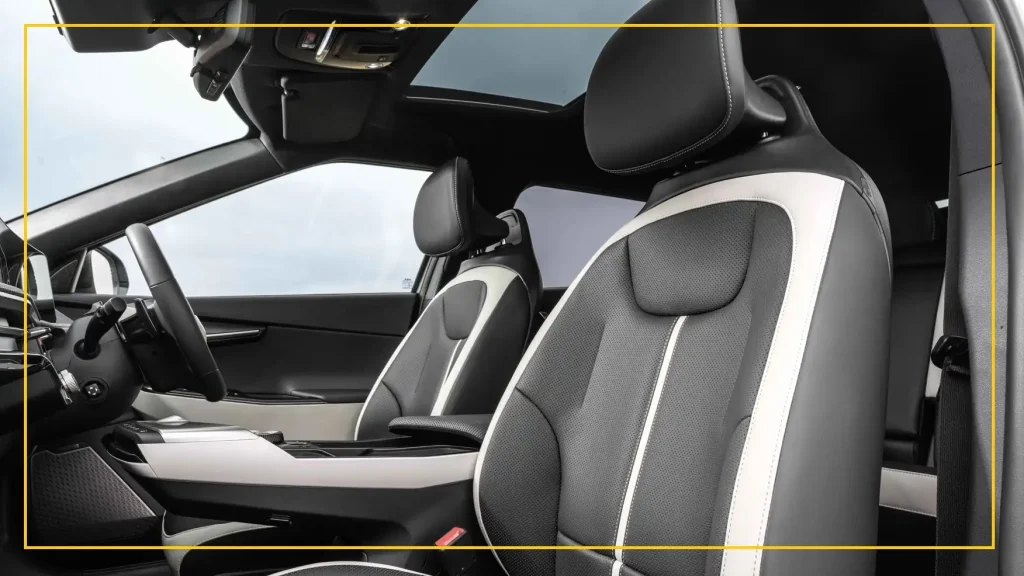
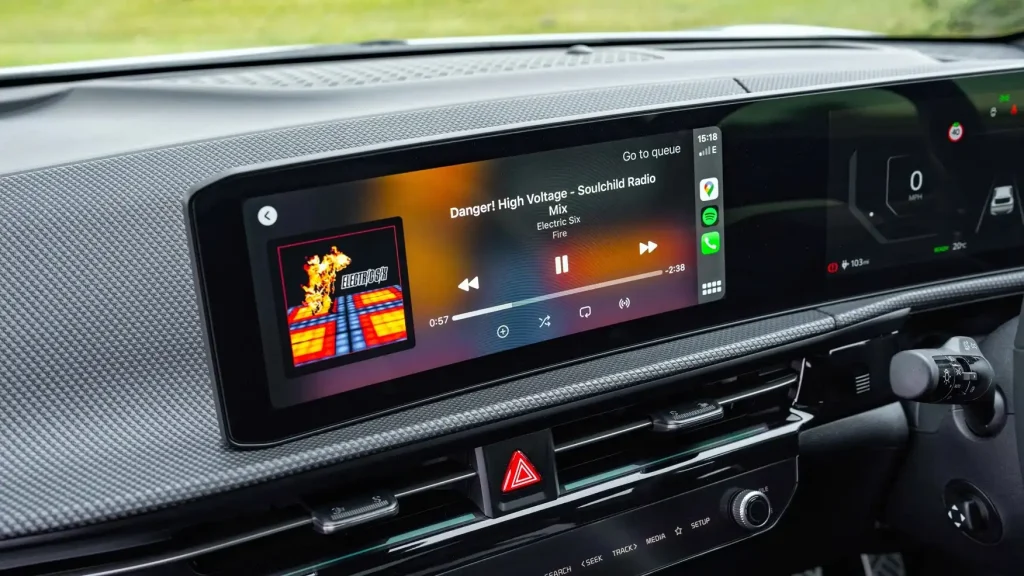
Inside, the cabin also received some noticeable improvements. Kia redesigned the steering wheel, which is now shared with other models in the lineup. The center console has been revised for better ergonomics, making it easier to reach the physical controls. All trim levels still feature a wide panoramic screen setup made up of two 12.3-inch displays — one for the driver’s cluster and one for infotainment. The interior materials remain premium for the segment, with vegan leather across the board and solid, well-built panels throughout.
“The engineering achievements are the most notable. Kia increased battery capacity by 9 percent with new chemistry and management without increasing its size or weight.”
Performance & Driving Feel
One of the best things about the Kia EV6 has always been how it drives. The facelifted model keeps that strength and sharpens it further. A revised power steering system makes the car feel more connected and responsive through corners — noticeably better than the outgoing model. The ride quality has also been adjusted in response to owner feedback that the previous car was too stiff, so the new suspension setup offers a better balance between comfort and handling.
The standard single-motor rear-wheel-drive version produces 225 horsepower and handles everyday driving duties with ease. It gets to 60 mph in around 7 seconds — quick enough for daily use without feeling sluggish. If you want more urgency, the dual-motor all-wheel-drive option delivers 320 horsepower and 446 lb-ft of torque, which launches the car from a standstill with impressive grip and composure. The AWD version is the version most reviewers recommend for drivers who want both performance and all-weather confidence.
And then there is the EV6 GT — a different beast entirely. With a staggering 641 horsepower and 568 lb-ft of torque, it reaches 60 mph in under 3.5 seconds. The updated GT borrows the Virtual Gear Shift feature from the Hyundai Ioniq 5 N, simulating a six-speed dual-clutch transmission through the paddle shifters, complete with fake engine sounds. It sounds gimmicky on paper, but in practice it adds a layer of engagement that few electric cars offer. Think of it as a proper electric muscle car.
Range & Charging — The Big Upgrades
This is where the facelift really earns its keep. The main battery was upgraded from 77.4 kWh to a new 84 kWh unit. Kia achieved this with improved battery chemistry and energy density, which means the battery actually weighs slightly less than before despite being larger. The result is an EPA-rated range of up to 319 miles for the rear-wheel-drive model and 295 miles for the all-wheel-drive version. The base Light Standard Range model uses a smaller 63 kWh pack and delivers around 240 miles — sufficient for daily city and suburban driving.
Charging speed remains one of the EV6’s strongest points. The car runs on an 800-volt architecture, which means it can accept DC fast charging at speeds up to 258–350 kW depending on the charger. When plugged into a high-powered station, the battery goes from 10 to 80 percent in under 18 minutes — a claim that Car and Driver independently tested and confirmed. The system can also add about 70 miles of range in under 5 minutes on the fastest chargers available.
Another major win for 2025–2026 is the switch to the NACS (North American Charging Standard) charging port, the same format developed by Tesla. This allows EV6 owners to use Tesla’s Supercharger network — the largest and most reliable fast-charging network in the country — without needing an adapter. New plug-and-charge software also means you simply pull up to a compatible charger and it starts automatically, no app needed. Kia even moved the charge port to the left rear of the car on most trims for easier access at Supercharger stations.
| Trim | Battery | Drivetrain | Power (HP) | Est. Range | Starting MSRP |
|---|---|---|---|---|---|
| Light (Standard Range) | 63 kWh | RWD | 167 | ~240 mi | ~$44,375 |
| Light Long Range | 84 kWh | RWD | 225 | 319 mi | ~$47,695 |
| Wind Recommended | 84 kWh | AWD | 320 | 295 mi | ~$51,795 |
| GT-Line | 84 kWh | AWD | 320 | 271 mi | ~$55,695 |
| GT Performance | 84 kWh | AWD | 641 | 231 mi | ~$65,275 |
Technology & Features
The facelifted EV6 runs Kia’s next-generation Connected Car Navigation Cockpit (ccNC) operating system, which features a faster processor and support for over-the-air updates. This means the car can receive improvements to its powertrain, driver assistance systems, and infotainment software long after you buy it — similar to how a smartphone works. The system also includes wireless Apple CarPlay and Android Auto, five USB ports throughout the cabin, and a wireless charging pad on every trim level.
Upper trims benefit from a 14-speaker Meridian audio system, a heads-up display, a power sunroof, heated and ventilated front seats, and a heated steering wheel. One noteworthy new feature is Phone as Key — meaning you can leave the key fob at home and unlock and start the car with just your smartphone. Video streaming and mobile gaming are also available through Kia’s Connect Store, making it a genuinely connected vehicle.
Standard safety tech on every EV6 is comprehensive. Every model comes equipped with forward collision avoidance, pedestrian and cyclist detection, blind-spot collision warning, rear cross-traffic avoidance, lane-keep assist, adaptive cruise control with stop-and-go, automatic high beams, and driver attention monitoring. Higher trims add the more advanced Highway Driving Assist 2, which can handle lane changes semi-autonomously on certain roads, and a 360-degree surround camera for parking.
Interior Space & Everyday Comfort
Built on Hyundai’s E-GMP platform, the EV6 benefits from a flat floor and a long wheelbase — the same wheelbase length as the three-row Kia Telluride, in fact. This translates to genuinely generous legroom for rear passengers. Front seat comfort is excellent, with supportive bolstering and good visibility forward. The cabin is wide and airy, and the use of quality soft-touch materials with subtle gold accents on higher trims gives it a premium feel.
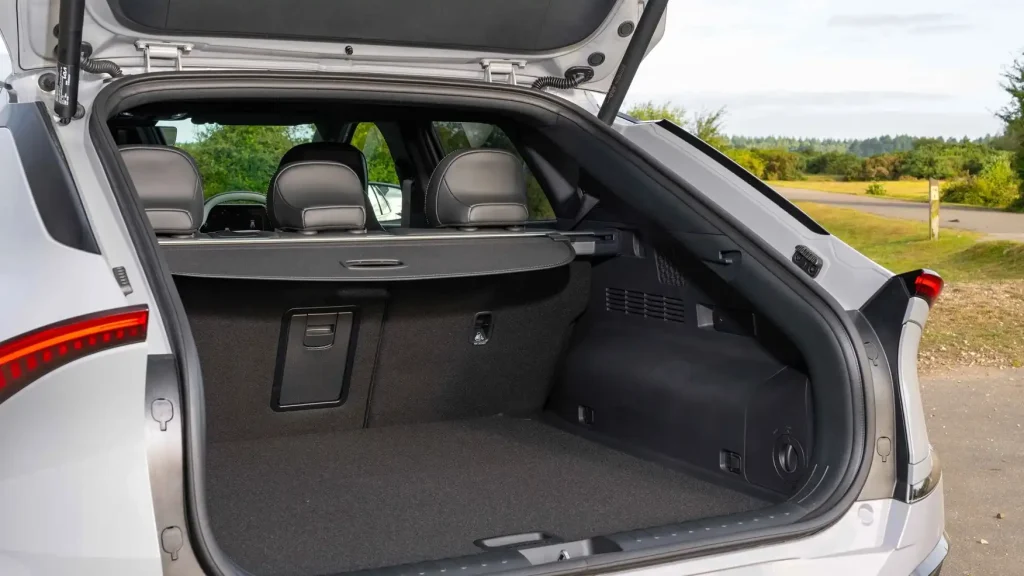
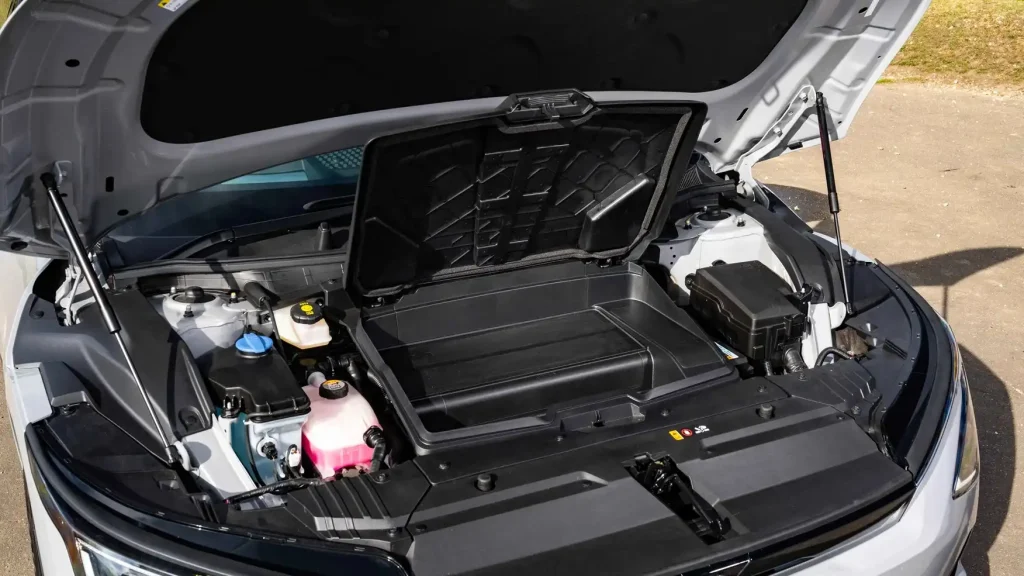
The one practical limitation that reviewers consistently mention is cargo space. The EV6’s sloping hatchback roofline looks great from the outside, but it does eat into usable cargo volume. You get around 28 cubic feet behind the rear seats and 54 cubic feet with the seats folded, which is decent but falls short of the boxier Hyundai Ioniq 5. There is also a small front trunk (frunk) under the hood, though it is more of a useful cubby than a true storage space. Five adults fit comfortably, though this is not a seven-seat vehicle.
How It Compares to the Competition
The EV6’s main rivals are the Hyundai Ioniq 5, Tesla Model Y, Ford Mustang Mach-E, Volkswagen ID.4, and the Genesis GV60. The Ioniq 5 is arguably the closest competitor — it shares the same E-GMP platform and offers similar range and charging capability. The Ioniq 5 wins on cargo space and interior practicality thanks to its more upright body shape, while the EV6 wins on driving feel and slightly longer range with the bigger battery. If driving enjoyment matters to you, the EV6 is the pick.
Against the Tesla Model Y, the EV6 offers comparable range, better charging speeds with its 800-volt system (Tesla’s standard charging is 400V), and a more premium interior. Tesla still has the edge in over-the-air update maturity and the sheer size of its Supercharger network — though NACS compatibility largely closes that gap. The Mustang Mach-E and ID.4 both fall behind the EV6 on charging speed and driving dynamics. In the luxury EV space, the Genesis GV60 is more plush inside but comes at a noticeably higher price.
A confident, polished Kia electric car that earns its place among the very best EVs on sale today.
Final Verdict: Is the Facelifted Kia EV6 Worth It?
The facelifted Kia EV6 is a textbook example of how to improve a great car without losing what made it special in the first place. Kia took a vehicle that was already winning awards, addressed its key shortcomings — mainly range and charging compatibility — and delivered a product that is better in almost every meaningful way. The 84 kWh battery with up to 319 miles of real-world range, ultra-fast 800-volt charging, NACS port for Supercharger access, revised driving dynamics, and a smarter technology platform all combine to make this one of the most well-rounded Kia electric cars ever built.
Is it perfect? Not quite. The cargo space still trails the Ioniq 5, the frunk is underwhelming, and the touch panel controls take some getting used to. But these are minor gripes on what is otherwise a genuinely excellent electric vehicle. Whether you are a first-time EV buyer or an experienced electric car driver looking to upgrade, the EV6 deserves a spot on your shortlist. For most buyers, the Wind AWD trim offers the best blend of performance, range, features, and value — and at around $51,000, it holds its own against everything else in the segment. The facelifted Kia EV6 is not just a good update. It is proof that Kia belongs at the very top of the electric car conversation in 2026.
More Automotive Update Visit Deckers Auto