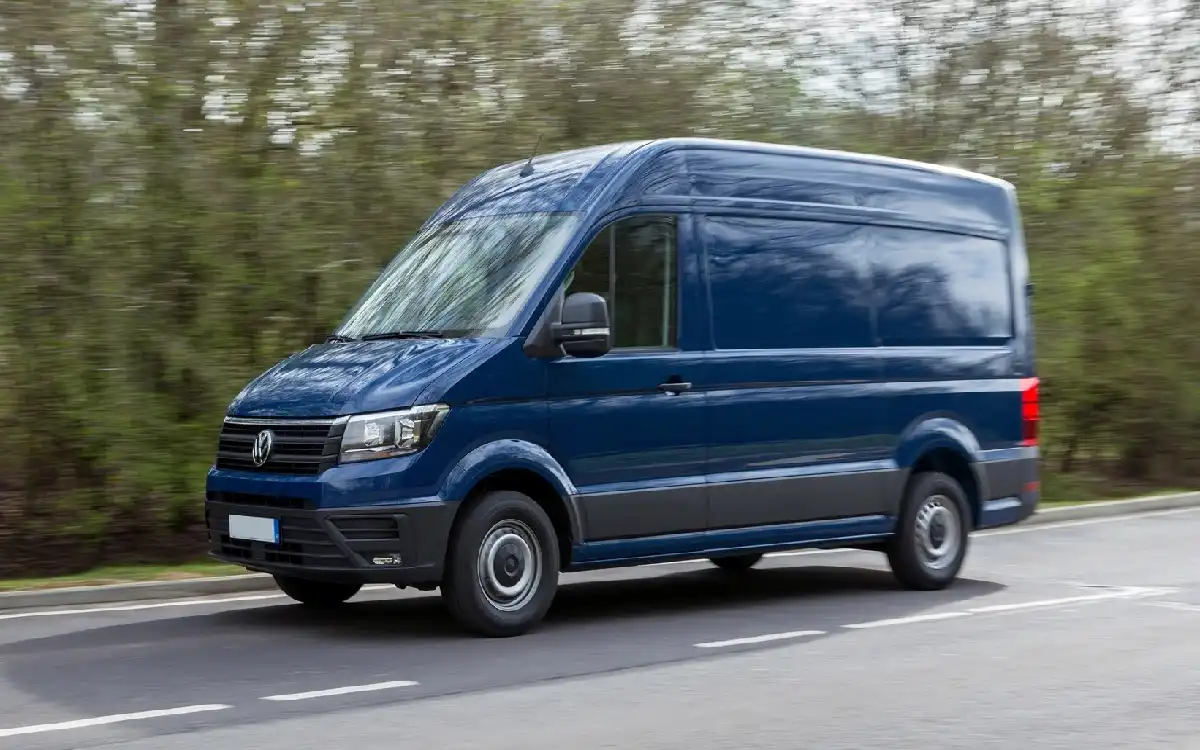
The VW Crafter stands out as a top choice among large panel vans for businesses and tradespeople in 2026. Its mix of smart tech, strong performance, and huge load space makes it a real winner on the road.
Introduction
Large vans like the VW Crafter handle tough jobs from deliveries to construction. Built on shared platforms with rivals, it shines with Volkswagen Crafter focus on driver comfort and safety.
In 2025, a key facelift brought fresh interior designs, improved safety features, and updated tech that carries over to 2026 models. No big new release hit in early 2026, but ongoing tweaks keep it competitive with enhanced engines and driver aids.
Owners love its car-like handling and practical cabin, making it perfect for long days. This review dives into why the Crafter feels so “van-tastic.”
Design and Build
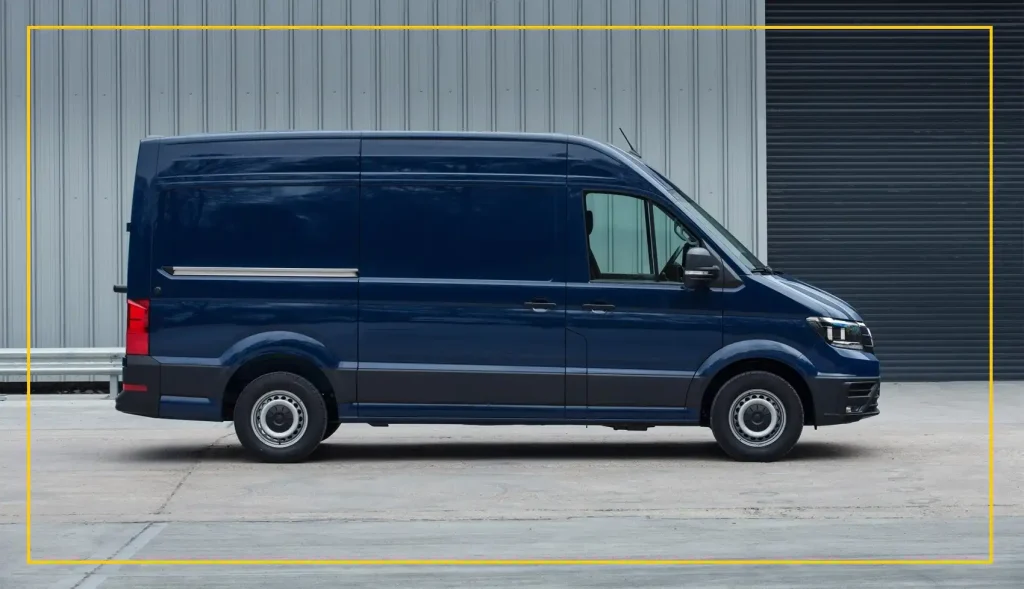
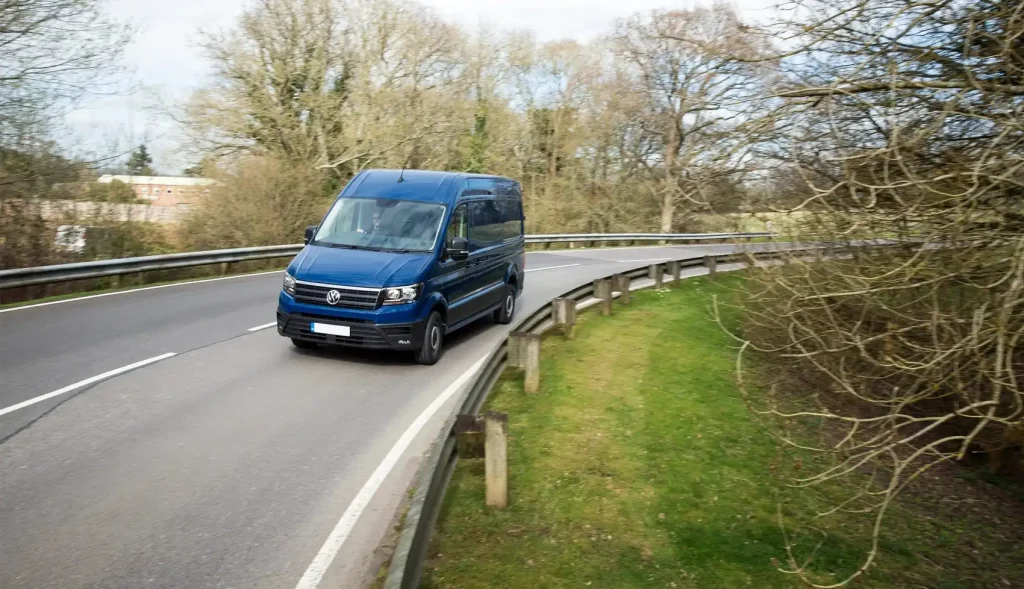
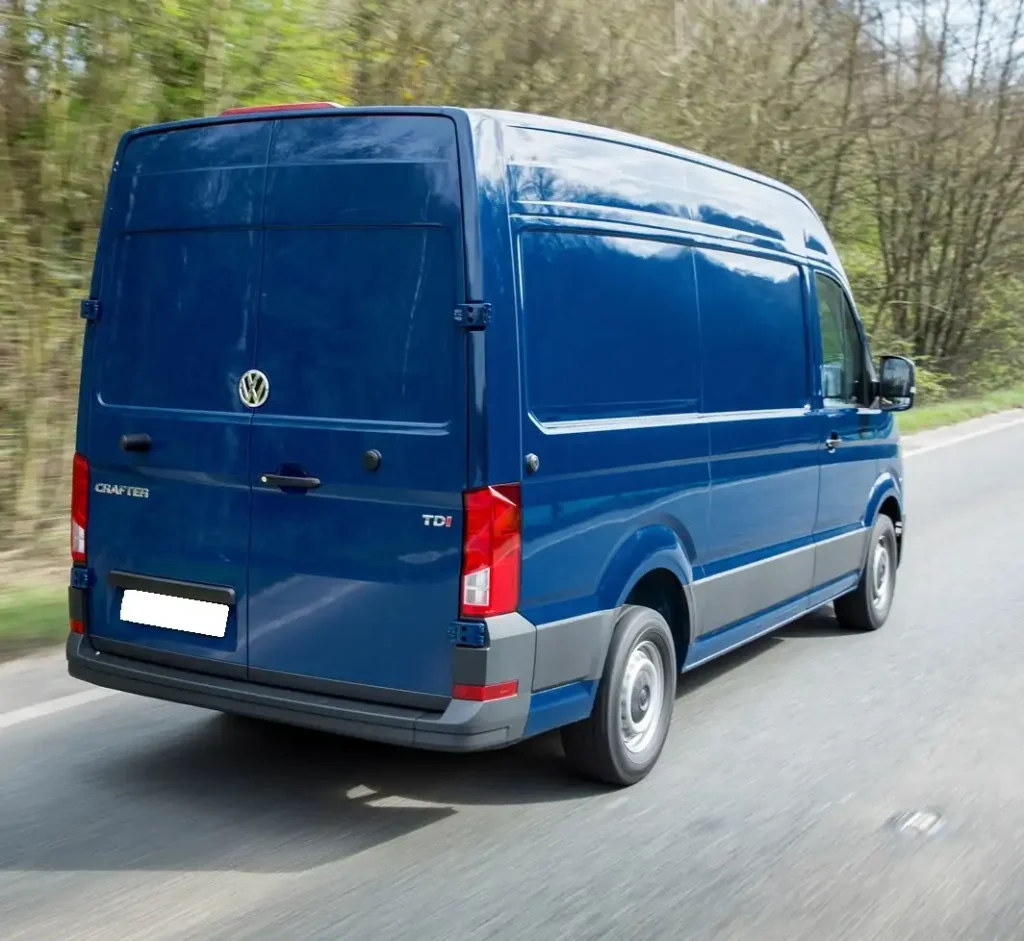
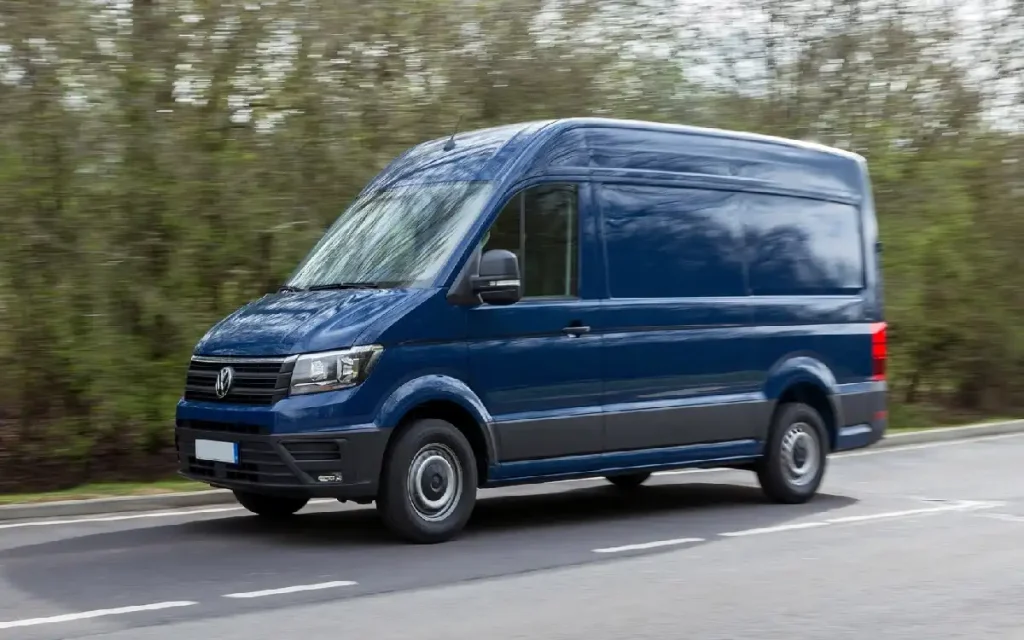
The Crafter’s body comes in short (SWB), medium (MWB), and long (LWB) wheelbases, with standard, high, or super-high roofs. This setup is ideal for tight city streets or maximum cargo needs.
Front-wheel drive lowers the load floor for easy access, while optional 4Motion all-wheel drive tackles bad weather. The 2025 facelift added a bolder grille and sleeker headlights for improved aesthetics and airflow.
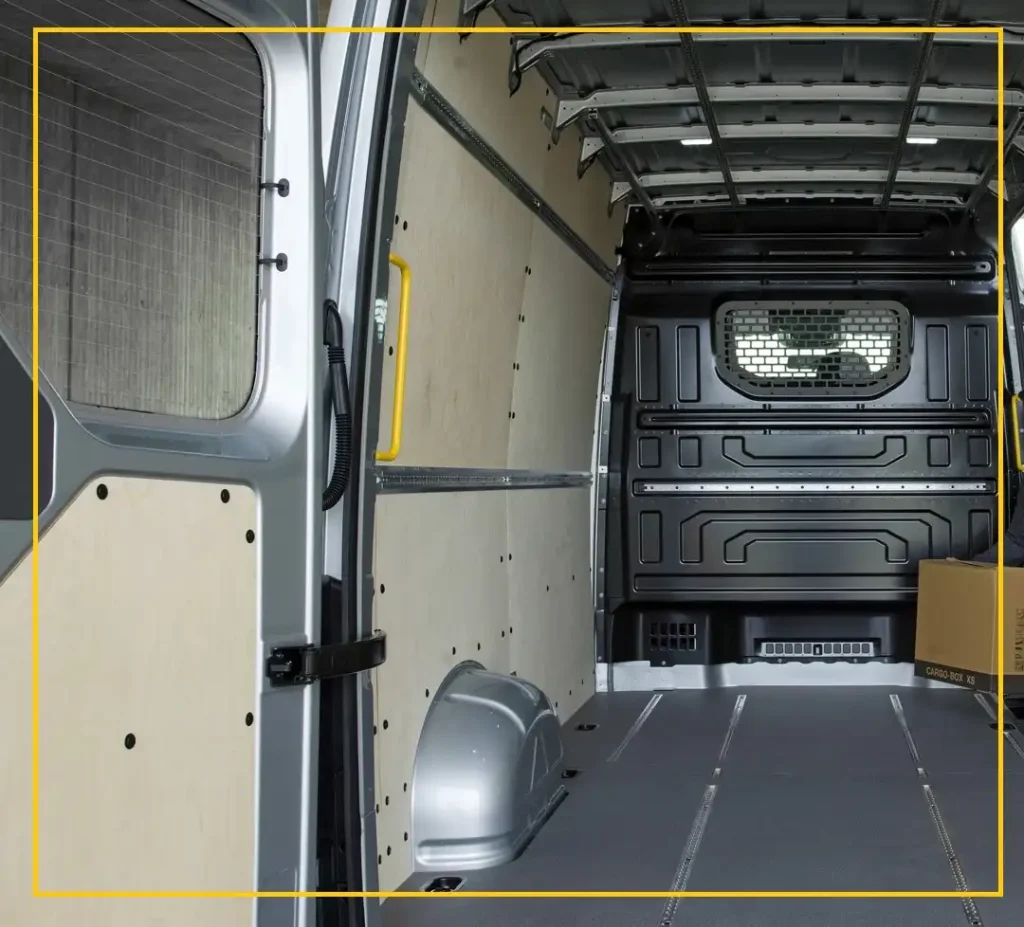
Build quality feels solid, with no rattles even after heavy use. Its square load area has LED lights and tie-down points for secure hauling.
Engine and Performance
Power comes from 2.0-liter turbo diesel engines, outputting 102 to 177 hp and up to 410 Nm torque. An eight-speed automatic pairs perfectly for smooth shifts and strong pulls.
Top speed hits 160 km/h, with 0-100 km/h in under 15 seconds for loaded models. Real-world tests show it cruises well on motorways, though it needs gear changes on hills.
Fuel economy reaches up to 38 mpg in BlueMotion trim, or around 35 mpg loaded—class-leading for diesels. No full EV yet, but efficient for high-mileage fleets.
Interior Comfort
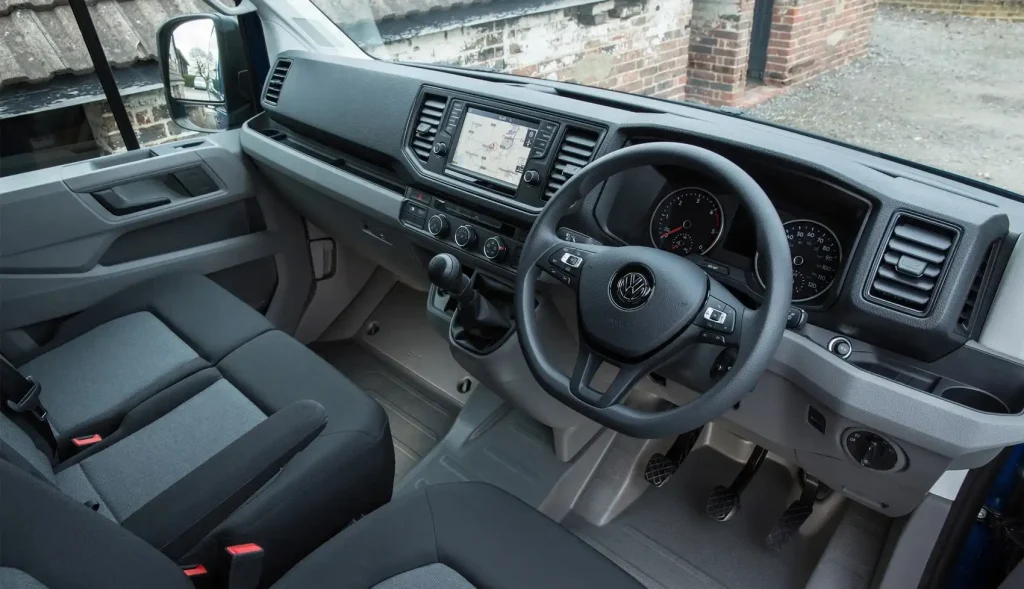
The cabin rivals cars with adjustable seats, good space for three up front, and wipe-clean plastics. A fold-down middle seat makes a desk for on-the-go work.
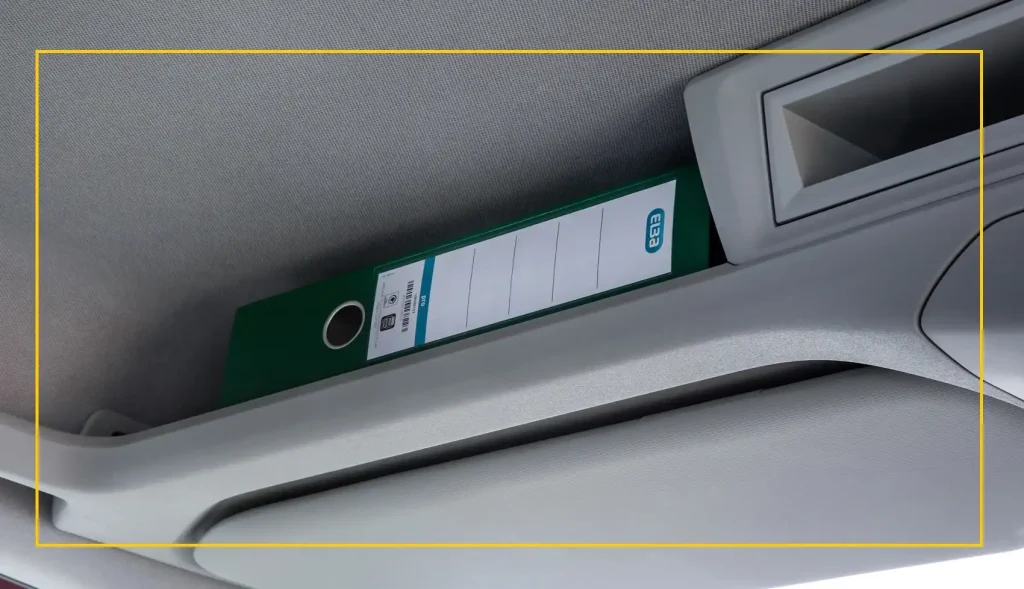
Storage abounds: door bins, dash cubbies, cupholders, and shelves keep tools handy. The 2025 update added a free-standing touchscreen and digital cockpit.
Noise stays low on highways, and the multi-way driver seat fights fatigue. Dual-cab options seat up to seven for crew work.
Tech and Infotainment
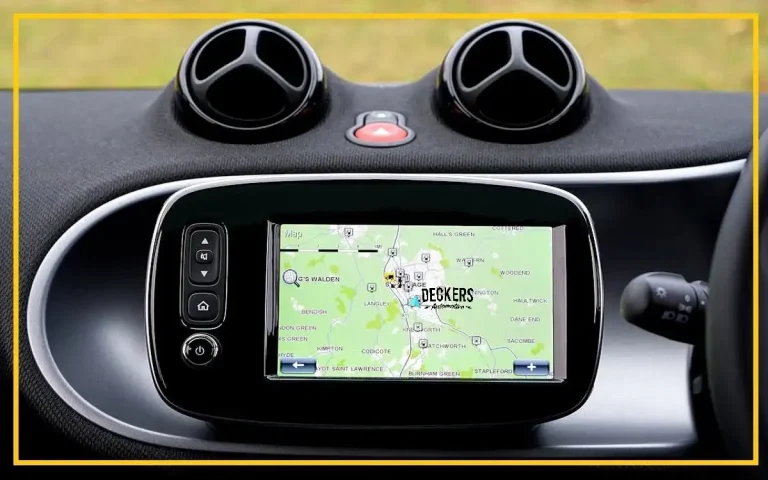
An 8-inch touchscreen runs Apple CarPlay, Android Auto, and navigation. Voice control and Bluetooth make calls easy and hands-free.
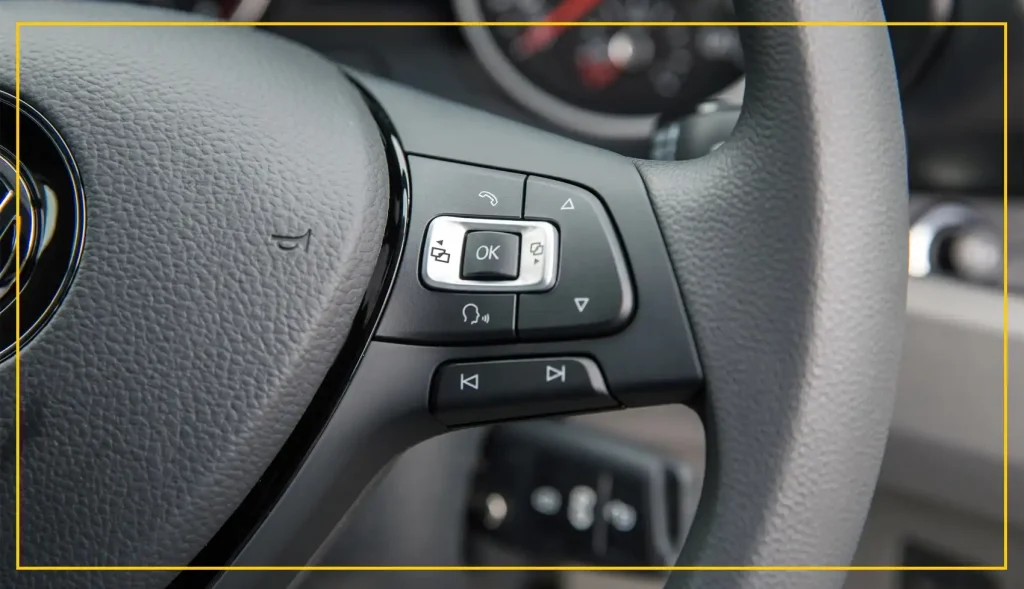
The Digital Cockpit shows clear information, while the steering wheel buttons control volume and cruise. Higher trims add wireless charging and bigger screens.
Safety Features
The standard kit includes autonomous emergency braking, lane keep assist, and blind-spot detection. Adaptive cruise and 360 cameras help in tight spots.
Euro NCAP rates it highly for active safety, with trailer assist for towing. Owners say these tools prevent mishaps on busy roads.
Load Space and Payload
The Crafter excels in cargo: up to 17 m³ volume in LWB high-roof, with lengths to 4.3 m and height to 2.05 m. Payload tops 2,200 kg in lighter configs.
The low floor in FWD models eases loading, and the wide doors accommodate Euro pallets. Towing reaches 3,500 kg braked.

Here’s a quick specs table for key models:
| Model Variant | Load Volume (m³) | Max Payload (kg) | Load Length (mm) | Fuel Economy (mpg combined) |
| SWB Standard | 10.7 | 2,150 | 3,060 | Up to 35 |
| MWB High Roof | 14.4 | 2,050 | 3,910 | Up to 38 |
| LWB Super High | 17.0 | 1,950 | 4,300 | Up to 35 |
Driving Experience
Light steering and great visibility make city driving simple. The auto box feels quick, and handling stays sharp even loaded.
On twisty roads, it corners better than boxier rivals. 4Motion adds grip in rain or mud without killing economy.
VW Transporter Long-term tests praise its motorway poise at 35-38 mpg.
Rivals Comparison
The Crafter beats the Ford Transit on refinement and matches Mercedes Sprinter on reliability, but costs less to run. Transit wins on price, Sprinter on premium feel.
| Feature | VW Crafter | Mercedes Sprinter | Ford Transit |
| Payload (kg) | Up to 2,200 | Up to 2,500 | Up to 1,800 |
| Fuel Economy (mpg) | 35-38 | 32-36 | 30-35 |
| Drive Options | FWD/4WD | RWD/4WD | FWD |
| Tech Level | High (digital cockpit) | Premium | Good |
Pricing and Running Costs
2026 prices start around $42,000 for a cargo van, up to $47,000 for a passenger. In markets like Australia, expect $69,000-$92,000 drive-away.
Low emissions qualify for green zones, and warranty covers five years. Service intervals stretch to 30,000 km.
2026 Updates
The 2025 facelift defines 2026: better engines, advanced assists like adaptive cruise, and upgraded interiors. Videos highlight refined aero and safety suites—no major 2026 overhaul yet.
Fuel tweaks and tech from VW cars keep it fresh.
VW Crafter Van – Volkswagen Australia
Volkswagen Crafter 2026 | VW Panel Van | Pre Order
Crafter | Models | Official Media Site NEWSROOM
Who Should Buy It?
Fleet managers, builders, and campers pick the Crafter for versatility. Skip if you need a pure EV or max-cheap payload.
Pros and Cons
- Pros: Spacious, comfy drive, top safety, efficient diesel.
- Cons: Touchscreen controls irk some, pricier options, no EV option.
Finally
The VW Crafter proves “van-tastic” with smart design, power, and tech for 2026 workhorses. Its balance of fun driving and hard work makes it a smart pick over rivals.
More Automotive Update Visit Deckers Auto