
Introduction
In 2025, Scrapyards have changed more than just being havens for old cars and scrap metals. They have become busy recycling and innovative centers. Driven by technology, sustainability, and changing consumer needs, scrapyards contribute to environmental upkeep and help reduce automotive cost. This piece will address seven astonishing facts, concerning their inner workings, economic and environmental implications, and their surprising find. Those who care about recycling, restoring, automotive reliability, cheap car finds will find scrapyards to be their common ground. As a bonus, they will appreciate the eco-friendly practices.
What Is a Scrapyard?
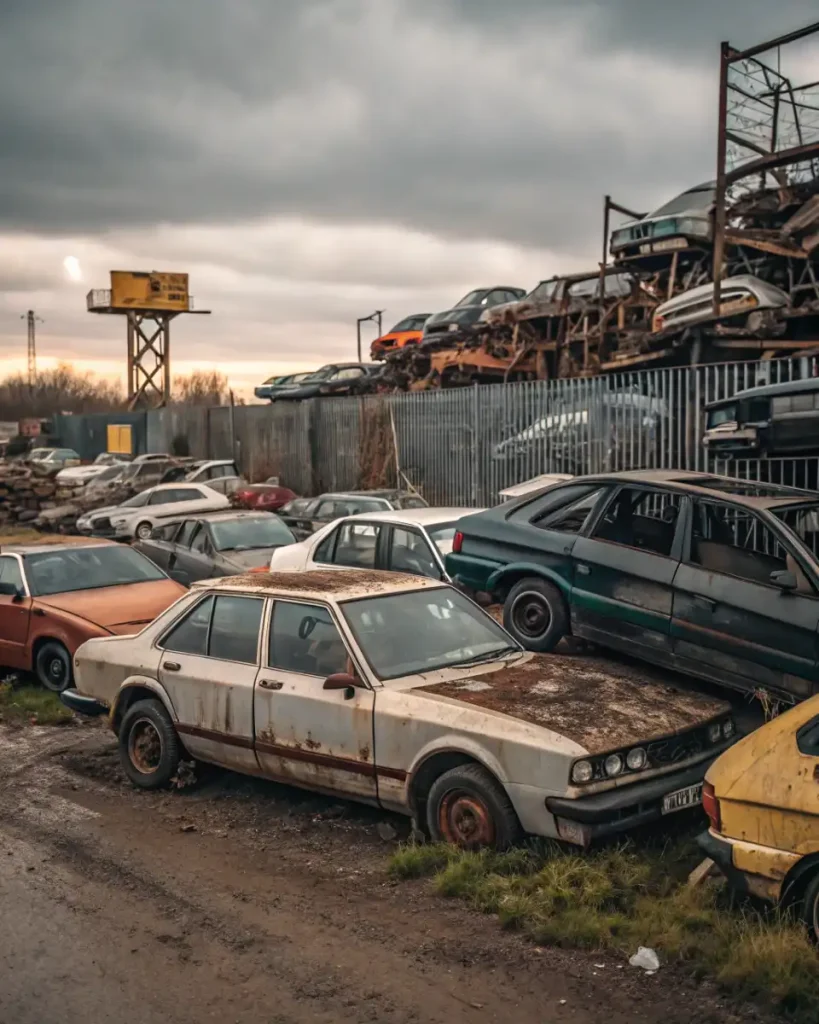
Also known as a junkyard and salvage yard, a scrapyard is where the used automobiles, appliances, machineries, and metals are accumulated, sorted, and recycled or prepared for resale. This waste is delivered to the scrapyards and recycling centers by people, businesses, or recycling companies. It is a responsible way to dispose unwanted materials. This contribution is part of the system that supports cheap car acquisition for reliability and resourcefulness.
How Scrapyards Work: The Step-by-Step Process
Due to efficient workflow and cutting-edge technology, modern scrapyards are able to manage large quantities of material and minimize environmental effect.
Here’s what typically happens when an item arrives at a scrapyard:
| Step | Description |
| Collection | Items arrive from various sources, including individuals, businesses, and construction sites. |
| Sorting & Separation | Metals and items are sorted by type using AI-powered machines and sensors. |
| Preparation | Materials are shredded, sheared, or compacted for easy handling. |
| Melting & Purification | Metal is melted down, purified, and separated for reuse. |
| Solidification | Molten metal is cooled and shaped for manufacturers. |
| Sales & Distribution | Recycled materials are sold to manufacturers for new products. |
1. Advanced Technologies Used
Scrap yards will adopt super advanced AI and sensor technologies by 2025 to sort metals at an unprecedented rate. They will analyze types, grades, and purities of metals and eliminate a bigger chunk of wastage. This technology will complete the recycling task in record time, all while maintaining the quality and reliability of the recycled products. This will make scrap yards a marvel in recycling and increased productivity.
2. The Most Amazing Finds Are Hidden
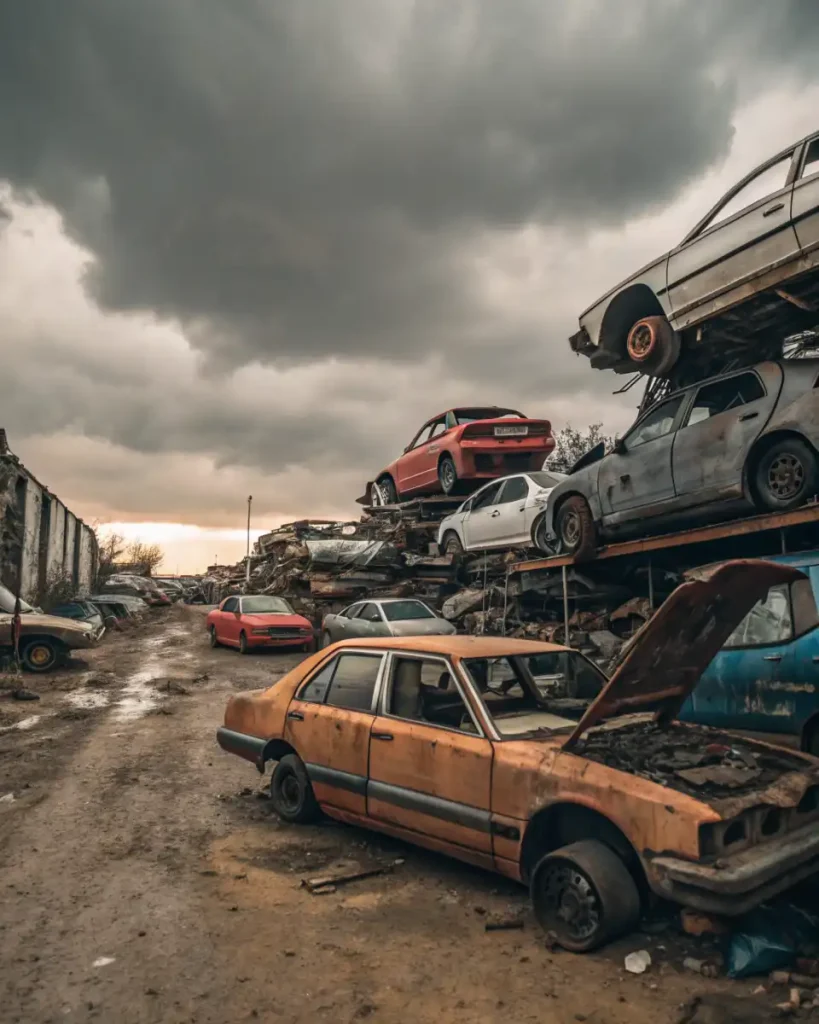
Scrap yards almost never fail to hide the most amazing treasures from historically important vehicles to rare hidden valuables. The finds that astonish the most include:
- A valuable Mercedes-Benz once owned by legendary driver Rudi Caracciola.
- A £8,000 Fabergé egg that, after being bought as scrap, was sold for £20 million.
- Classic cars like Steve McQueen’s Ford Mustang, rediscovered after decades.
These amazing stories showcase the endless potential scrapyards provide for restoration, serving as a reminder of the fascination that hides from the public view.
3. Metal Recycling Benefits the Environment
Because of the great importance of scrapyard recycling, the whole waste management system has to account for the energy, materials, and landfill space which can be saved. One positive example is recycling an aluminium can, which saves enough energy to power a TV for several hours. Steel is another common material and it is the most recycled material in the world, with billions of kilograms produced each year.
- Because of recycling done in scrapyards, millions of tons of landfill space is saved every year.
4. Fast Growing Global Market
The global market for recycling scrap metal is expected to reach 361.36 billion USD by 2025, and it is predicted to keep growing. The reasons for this growth are the advent of the electric vehicle, construction, circular economies, and new government policies around sustainably and recycling.
- India has a very hot market for scrap metal, and it is expected to go another way on international trade, as the demand for scrap metal is very high, but the resources available domestically are very limited
5. Affordable Vehicles and Parts
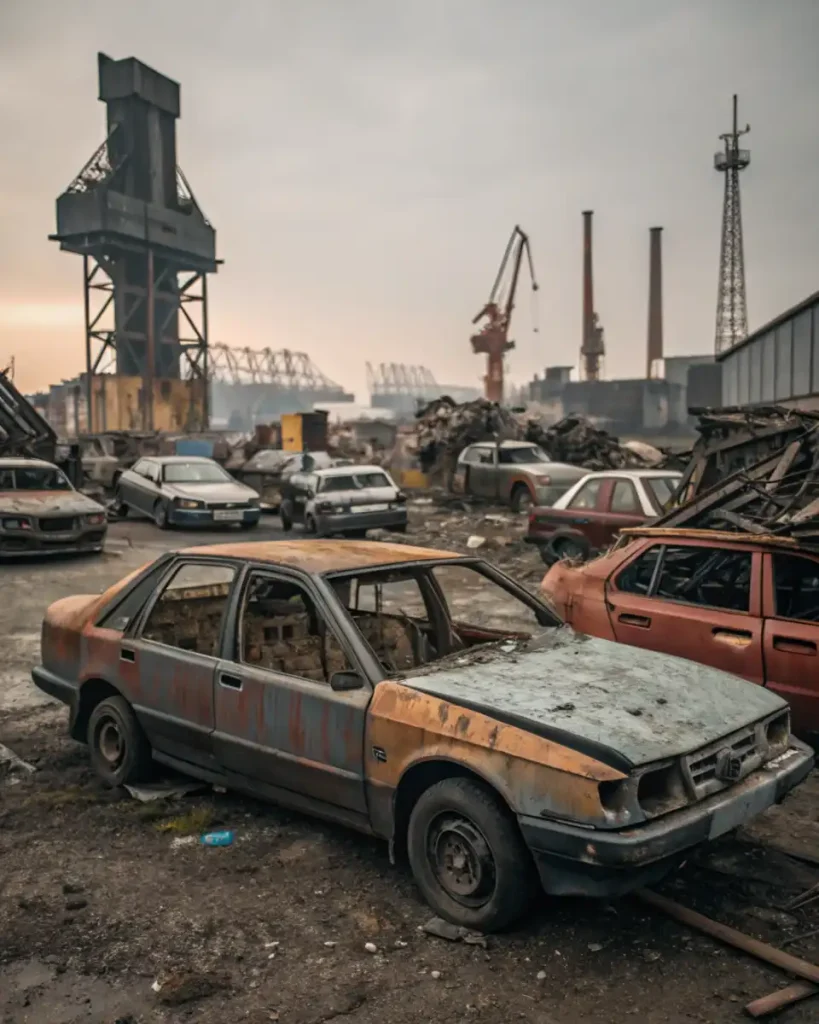
Scrapyards are a great source for inexpensive vehicles that can be put back in working condition, as well as the parts for these vehicles, making automotive repairs much more cost effective. Many people looking to buy cheap cars or reliable parts are surprised to find that restored or salvaged vehicles were actually in good working condition and quite reliable.
- Many scrapyards restore vehicles and resell them for far less than the normal price.
- Around 90% of the aluminum from scrap vehicles is recycled. This makes the car restoration process both eco and budget friendly.
6. Safe Recycling and Strict Rules
In 2025, governments around the world are expected to implement more precise and strict regulations concerning waste and pollution. Scrapyards must follow guidelines on the processing, handling, and recycling of waste to control the level of waste and pollution to the environment. This builds confidence in businesses and consumers that source materials are reliable and recycled.
- Courteous scrapyards prevent the unsupervised release of toxic waste fluids from vehicles to reduce pollution.
7. The Stories Behind Scrapyard Discoveries
As recycling centres, scrapyards also reveal and preserve valuable cultural, historical, and technological information about the automotive industry. The scrap that is reclaimed also includes valuable historical items, rare maps, letters from notable and forgotten artists, and machines that can be restored, and which all help to preserve and restore heritage.
- Artefacts and correspondence from LS Lowry that has been scrapped, and the art of Lowry himself, has changed and expanded our knowledge of art history.
Why Scrapyards Matter Today
- In today’s world, scrapyards help in the promotion of the circular economy, which is the principle of recycling and reusing materials for the society and environment.
- Their efforts ensure that metals and automobile components remain in circulation, waste is minimized, and consumers pay less for products.
- Scrapyards integrate all aspects of recycling, restoration, auto repair, affordable and dependable cars, and reliability, creating an ecosystem that harmonizes advancement and heritage. It has continuously defined the manner in which the world conserves and advocates for resource sustainable use in live. This will be more pronounced in 2025.
Scrapyard Processes and Their Benefits
| Process | Main Benefit | Example or Outcome |
| AI Sorting | Greater efficiency | Quicker, more accurate separation of metals |
| Shredding & Compacting | Easier handling | Smaller and safer scrap piles for transport |
| Melting & Purification | Improved quality | Cleaner, purer metal for manufacturing |
| Restoration & Resale | Cheap car, reliability | Restored vehicles sold affordably, offering reliable transport |
| Landmark Discoveries | Cultural/historical value | Discovery of rare vehicles or valuables |
| Environmental Compliance | Sustainability, reliability | Preventing pollution and promoting ethical recycling |
| Energy Conservation | Lower energy usage | Recycling aluminum saves energy; reduces production costs |
Conclusion
A 2025 scrapyard is not just a terminal for disposed of metal. It is a highly sophisticated centre of revitalizing industrial recycling, automotive restoration, and the green fabrication of goods. It will be equipped with highly regulated, industry compliance sophisticated technology that, from time to time, will provide remarkable be surprises in their recycling streams. It is where the restoration of cars and reliable affordable automibles are produced and coordinated to shape a brighter and greener tomorrow. Modern scrapyards are filled with meaningful and valuable narratives that need to be told and undeclared opportunities for treasure hunting that are waiting to be to be revealed.
More Automotive Update Visit Deckers Auto