It is very annoying when you drive down the street and hear a loud noise from your wheels. That high pitched sound can make any driver feel a bit embarrassed and worried at the same time.
You might wonder if your car is safe to drive, or if it will break down soon. This is why learning how to fix squeaky brakes is so important for every car owner today.
Here at DeckersAuto, we want to help you understand your car a little better. We will share simple tips and the latest 2026 updates to keep your vehicle running quietly.
The Basics of How to Fix Squeaky Brakes at Home
Many people think that any brake noise means a huge repair bill is coming their way. However, sometimes the fix is very simple and you can even do it in your own garage.
You do not always need a fancy degree to understand the basic parts of your wheel system. By learning a few simple things, you can save alot of money and time.
We will explain everything using simple words, so you do not get confused by mechanic jargon. Let us start by looking at what makes that annoying sound in the first place.
Common Causes Before Learning How to Fix Squeaky Brakes
Before you start taking your wheels apart, it helps to know what is causing the noise. There are several common reasons why your car might sound like a screaming pig when you stop.
One big reason is simply that your brake pads are getting old and worn out. When they get too thin, a small metal piece starts rubbing against the rotor to warn you.
Another common issue is dust and dirt getting trapped inside the brake system. As you drive on dirty roads, tiny rocks and dust particles get stuck and cause extra friction.
Worn Brake Pads and How to Fix Squeaky Brakes
Most modern cars have a built in warning system that makes noise on purpose. When your brake pads wear down to a certain level, a metal wear indicator touches the rotor.
This creates a loud squeal that tells you it is time for a replacement very soon. If you ignore this sound, the pads will wear completely down to the bare metal.
When that happens, you will hear a terrible grinding noise instead of a squeak. Fixing it early is the best way to avoid buying expensive new rotors.
Moisture and Rust Issues When Figuring Out How to Fix Squeaky Brakes
Sometimes your brakes only make noise early in the morning after it rains. This happens because moisture from the air creates a thin layer of rust on the rotors overnight.
When you drive and press the pedal, the pads scrape this rust off and make a squeaking sound. This is totally normal, and the noise usually goes away after a few stops.
If the sound does not stop after a few minutes of driving, you might have a bigger problem. You should always pay attention to how long the noise lasts during your morning commute.
2026 Updates on How to Fix Squeaky Brakes
The car industry changes very fast, and the year 2026 has brought some new brake technologies. We are seeing more electric vehicles and advanced hybrid cars on the roads than ever before.
These new cars use regenerative braking, which changes how the regular brakes wear down over time. Because the electric motor does most of the stopping, the physical brake pads are used much less.
This means the pads can get glazed or rusty, because they are not getting hot enough to clean themselves. Many 2026 EV models now require a special bedding process to keep the brakes quiet.
New EV Regenerative Braking and How to Fix Squeaky Brakes
If you drive a new electric car, you might notice squeaks even with low mileage. To fix this, mechanics suggest doing a few hard stops in a safe area to clean the pads.
This burns off the glaze and removes surface rust that builds up from lack of use. It is a simple trick that works perfectly for the latest 2026 electric and hybrid models.
Always make sure no other cars are behind you when you test this stopping method. Safety should always come first when you are testing your car brakes on the road.
Latest 2026 Ceramic Pad Tech for How to Fix Squeaky Brakes
Another great update in 2026 is the improvement of ceramic brake pad materials. In the past, semi metallic pads were very common, but they were also very noisy due to the metal flakes.
Now, many manufacturers are moving towards advanced ceramic pads that create much less dust and noise. Upgrading to these new 2026 ceramic pads is a fantastic way to silence your ride.
They might cost a little bit more upfront, but they last longer and keep your wheels cleaner. This makes them a very smart investment for anyone tired of constant brake squeals.
Step by Step Instructions on How to Fix Squeaky Brakes
If you feel confident, you can try to solve the noise issue yourself at home. You will need a few basic tools and a safe place to jack up your car.
Always remember to wear safety glasses and gloves to protect your hands from dirty brake dust. Let us walk through the process step by step, so you know exactly what to do.
Do not rush the process, because missing a step could make the noise even worse. Take your time and make sure everything is put back exactly how you found it.
Step 1: Gathering Tools for How to Fix Squeaky Brakes
The first thing you need to do is gather all the right tools for the job. You will need a car jack, jack stands, a lug wrench, and some anti squeal brake lubricant.
It is also very smart to buy a can of brake cleaner spray and a small wire brush. These will help you clean off all the old dust before you apply any new grease.
Never use normal oil or WD40 on your brakes, because that will ruin the stopping power. Always use special high temperature brake grease that you can buy at any auto parts store.
Step 2: Inspecting the Pads for How to Fix Squeaky Brakes
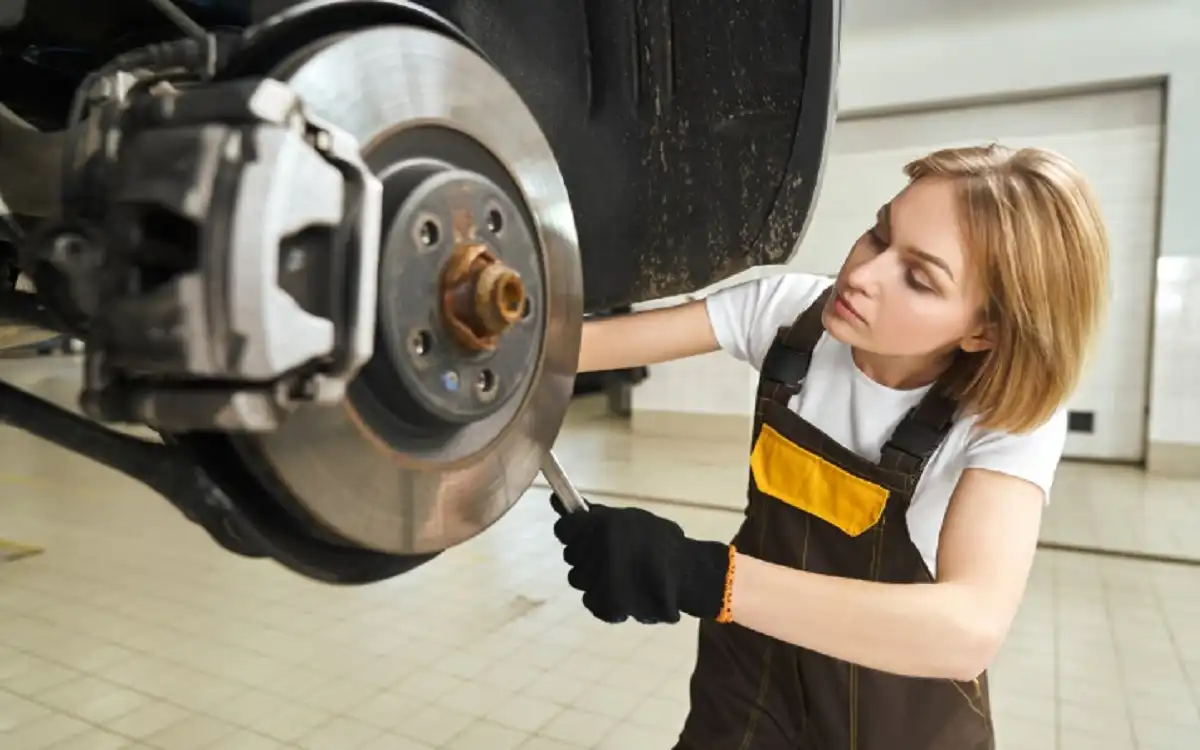
Once your car is safely lifted and the wheel is off, you can look at the brake caliper. You can usually see the brake pad thickness through the small hole in the top of the caliper.
If the pad material looks thinner than a pencil eraser, it is time to buy new ones. You should also look at the big shiny metal disc called the rotor to see if it has deep scratches.
If the rotor is deeply grooved or damaged, it will need to be replaced or resurfaced by a shop. Putting new pads on a bad rotor will just cause the squeaking to come right back.
Step 3: Applying Lubricant for How to Fix Squeaky Brakes
If your pads are still thick but they make noise, they might just need some lubrication. You must carefully remove the brake pads from the caliper bracket to do this step.
Use your wire brush to clean the metal clips where the pads slide back and forth. Then, apply a very tiny amount of brake grease to the back of the brake pads.
Do not ever put grease on the front part of the pad that touches the rotor. If you get grease on the friction side, your car will not be able to stop properly.
Strickland Brothers 10 Minute Oil Change: Fast, Affordable, and Customer-Friendly
Important Information on Brake Noises, Converted to Points
Instead of a traditional chart, we have listed the most common brake noises and what they mean below. This makes it much easier to read on your phone or computer screen.
- Squeak only in reverse, this usually means the pad edge is catching the rotor lip.
- Loud squeal with weak braking, this means your pads are completely gone and you need a tow.
- High pitched squeal at low speeds, this is the wear indicator warning you to change pads soon.
- Squeak on dusty roads, this just means dirt is trapped and a quick cleaning will help.
- Grinding noise, this means metal is touching metal and your rotors are getting ruined.
- Squeaking in the morning, this is just harmless morning dew and rust burning off.
Professional Help vs DIY on How to Fix Squeaky Brakes
Doing it yourself is fun, but sometimes it is better to call a real mechanic. Working on brakes is a big deal, because your life depends on them working right.
If you feel stuck or if a bolt will not come loose, do not force it. It is perfectly okay to take your car to DeckersAuto to let the pros handle the tough stuff.
We have all the special tools needed to fix stubborn or rusted parts safely. Plus, we can spot other hidden problems that an untrained eye might easily miss.
When to Stop Trying How to Fix Squeaky Brakes Yourself
You should stop working immediately if you notice any brake fluid leaking from the hoses. Brake fluid is highly toxic and means there is a dangerous pressure leak in the system.
Also, if your steering wheel shakes violently when you brake, you have warped rotors. This requires heavy machinery to fix, which you definately do not have in your home garage.
Knowing your limits is a sign of a smart and responsible car owner. Never risk your safety just to save a few dollars on a repair bill.
Valvoline Oil Change Coupon 50 Percent off in USA
The Importance of Good Hardware When Learning How to Fix Squeaky Brakes
Many people buy cheap replacement parts online and wonder why their car still makes noise. Cheap brake pads use low quality metals that are naturally loud and dusty.
You should always use new hardware clips when you install new brake pads on your vehicle. Old clips lose their spring tension and allow the pads to rattle around and squeak.
By spending just a little bit more on premium parts, you ensure a quiet ride. Your ears and your passengers will definitely thank you for making the smart choice.
Cleaning the Hubs for How to Fix Squeaky Brakes
One step many people forget is cleaning the wheel hub before putting the rotor back on. Rust builds up on the hub and stops the rotor from sitting perfectly flat.
This slight wobble causes the brake pad to hit the rotor unevenly as you drive. Use a wire brush to scrub the hub until the shiny metal is completely visible.
Applying a tiny layer of anti seize paste here will stop rust from forming again in the future. It is a small detail, but it makes a massive difference in keeping things quiet.
Preventive Maintenance to Avoid Learning How to Fix Squeaky Brakes
The easiest way to fix a problem is to prevent it from happening in the first place. Regular inspections can catch small issues before they turn into loud, annoying squeals.
You should ask your mechanic to check your brake thickness during every oil change. This quick check takes only a minute, but it can save you from a nasty surprise.
Keeping your tires properly inflated also helps your brakes perform better and last much longer. Good driving habits play a huge role in how fast your brake system wears out.
Driving Habits and How to Fix Squeaky Brakes
If you are an aggressive driver who stops suddenly, your brakes will wear out very fast. Hard braking creates massive amounts of heat that can glaze your pads and warp your rotors.
Try to anticipate traffic lights and slow down gradually instead of slamming on the pedal. This smooth driving style keeps the brake temperatures low and prevents the pads from glazing over.
If you live in a hilly area, try using your engine to slow down on steep downhill roads. Coasting down a mountain riding your brakes is a sure way to ruin them quickly.
Is AutoZone better than NAPA for auto parts? A Comprehensive Comparison
Final Thoughts on How to Fix Squeaky Brakes
We have covered a lot of ground today regarding your vehicle braking system. From morning moisture to the latest 2026 ceramic pad technology, you are now fully informed.
Remember to take things slow if you decide to tackle this repair in your own driveway. Safety is the most important part of any automotive maintenance task you choose to do.
If you ever feel overwhelmed, the friendly team at DeckersAuto is always here to help you out. We want your driving experience to be as smooth and quiet as humanly possible.
More Automotive Update Visit Deckers Auto