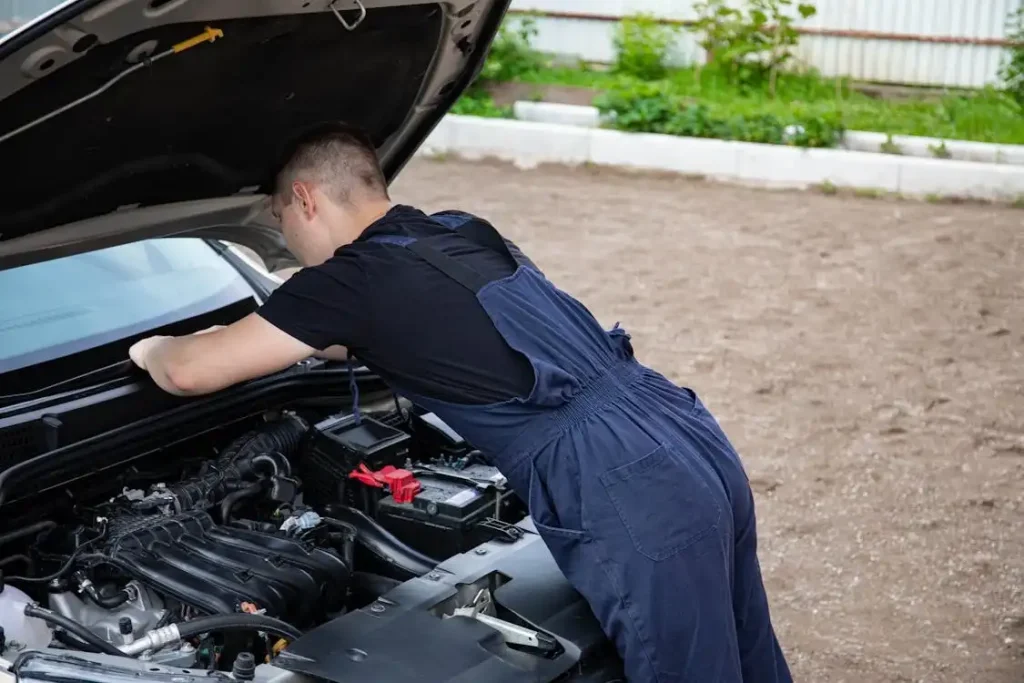
In the industry of American automotive culture, few things are as frustrating as a dead car battery. Whether you’re in the bustling streets of New York City or the quiet suburbs of Middle America, a car that won’t start due to a depleted battery can throw a wrench in your daily plans. But fear not, for there’s a silver lining: your car’s engine, when running, can Charge the Battery. However, the question that often puzzles many drivers is: how long does this process take?
The Deckersauto shares the information about the intricacies of battery charging through engine operation in the USA. We’ll explore the factors that influence charging time, discuss best practices, and provide you with the knowledge to keep your battery healthy and your vehicle ready to roll at a moment’s notice.
Recent Released: The Ford F-150 Lightning Electric Truck in The US
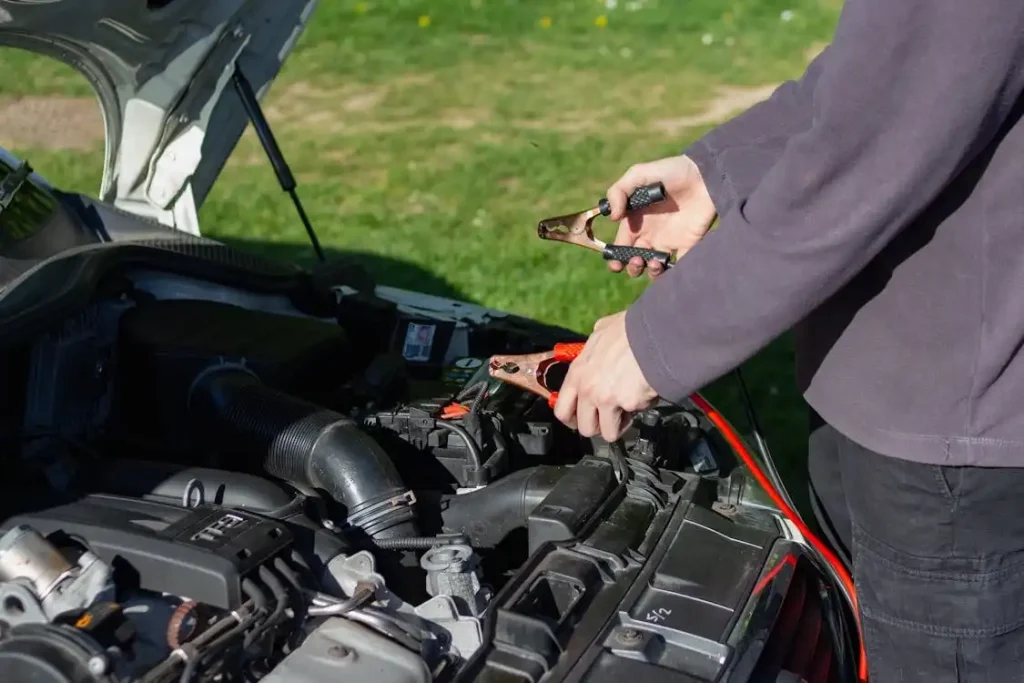
How to Understand Car Batteries and Charging Systems
Before we dive into the specifics of charging duration, it’s crucial to understand the basics of car batteries and how they interact with your vehicle’s charging system.
The Role of Car Batteries
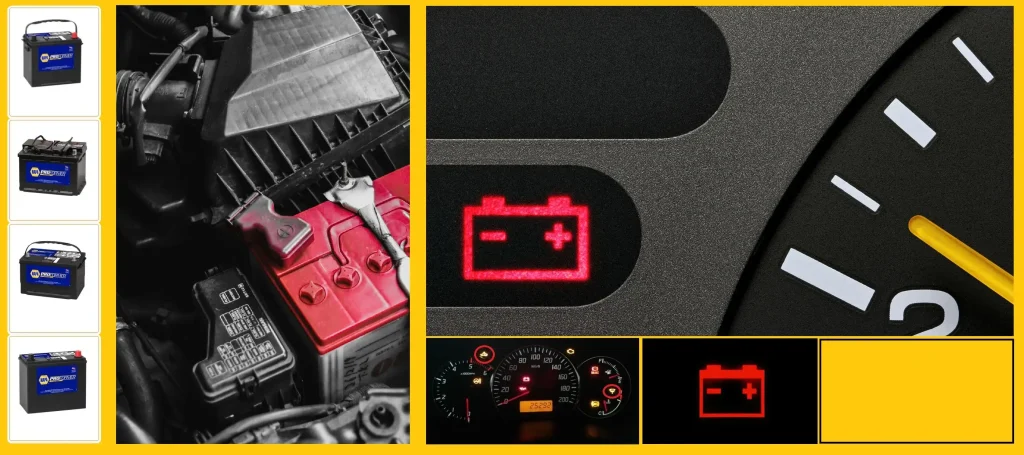
Car batteries are the unsung heroes of your vehicle. They provide the initial jolt of electricity needed to start your engine and power your car’s electrical systems when the engine isn’t running. In the USA, most cars use a 12-volt lead-acid battery, which has been the standard for decades due to its reliability and cost-effectiveness.
The Charging System: Your Car’s Power Plant
Once your engine is running, the alternator takes over as the primary power source. This ingenious device converts mechanical energy from the engine into electrical energy, simultaneously powering your car’s electrical systems and recharging the battery.
Read: Why Sicona Battery Technologies Is Fast-Growing United States Battery Component Market?
Factors Affecting Battery Charging Time
The time it takes to charge your car’s battery isn’t a one-size-fits-all scenario. Several factors come into play, each influencing the charging process in its own way.
Battery Condition
The overall health and condition of your battery significantly impact charging time. A newer battery in good condition will generally charge faster than an older, worn-out one. Factors such as age, usage patterns, and maintenance history all play a role in determining a battery’s charging efficiency.
Alternator Output
Your car’s alternator is the workhorse of the charging system. Most alternators in the USA produce around 14.4 volts when functioning correctly. However, the actual output can vary based on the engine’s RPM and the alternator’s condition. A higher alternator output typically results in faster charging times.
Driving Conditions
Believe it or not, how you drive can affect your battery’s charging rate. Highway driving, which keeps the engine at a consistent, higher RPM, generally charges the battery more efficiently than stop-and-go city driving.
Electrical Load
The number of electrical components in use while driving also impacts charging time. Running high-draw items like air conditioning, headlights, and heated seats can slow down the charging process as the alternator must supply power to these systems in addition to charging the battery.
Read: Does Napa Auto Parts Install Batteries? Napa Auto Parts Battery
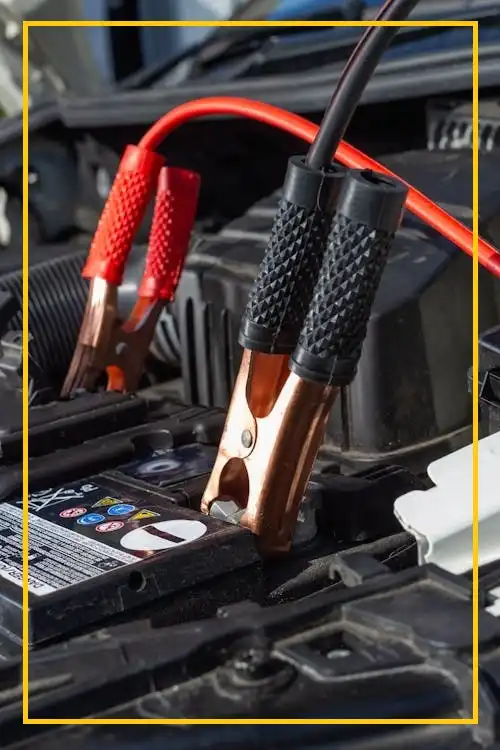
The Great Debate: Driving vs. Idling
One of the most common questions among American drivers is whether it’s better to drive or idle the car to charge the battery. Let’s break down both scenarios:
Charging While Driving
Driving is generally the most effective way to Charge the Battery. Here’s why:
- Higher RPMs: Driving typically keeps your engine at higher RPMs, allowing the alternator to produce more power.
- Varied load: The varying electrical demands during driving help exercise the battery, promoting better overall health.
- Additional benefits: Regular driving also helps maintain other vehicle systems, such as keeping fluids circulating and preventing tire flat spots.
Recommended driving time: Most experts in the USA suggest driving for at least 20 to 30 minutes to adequately recharge a battery that’s been drained by normal use (like leaving lights on overnight).
Read: How to Jump Start Petrol Car Battery in America
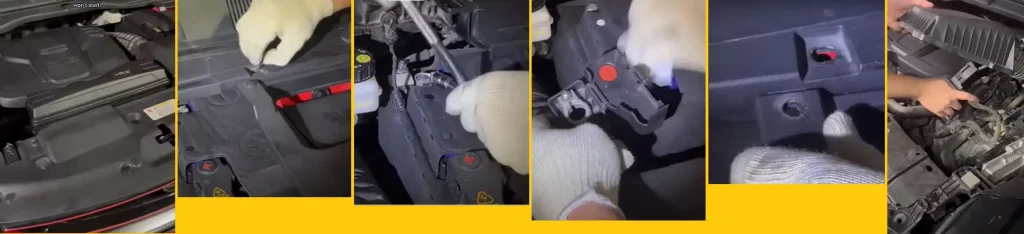
Charging While Idling
While idling can charge your battery, it’s generally less effective than driving. Here’s what you need to know:
- Lower RPMs: At idle, your engine runs at lower RPMs, which means the alternator produces less power.
- Modern vehicle limitations: Many modern cars in the USA are designed to reduce fuel consumption at idle, which can limit the alternator’s output.
- Environmental concerns: Excessive idling contributes to unnecessary emissions and fuel consumption.
Recommended idling time: If idling is your only option, aim for at least 15-20 minutes. However, be aware that this may not be sufficient for a deeply discharged battery.
Read: How to Jump Start Electric Car Battery in America

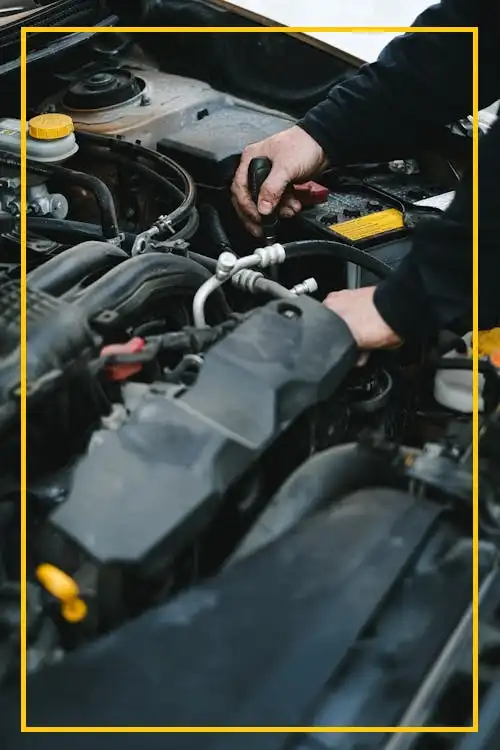
The Charging Timeline: What to Expect
To give you a clearer picture of what to expect when charging your Charge the Battery, here’s a general timeline based on different scenarios:
- Slightly discharged battery (e.g., car sat unused for a week):
- Driving: 15-20 minutes of highway driving should suffice.
- Idling: 20-30 minutes may be needed.
- Moderately discharged battery (e.g., lights left on overnight):
- Driving: 30-40 minutes of mixed driving should restore sufficient charge.
- Idling: Up to an hour may be necessary, but driving is strongly recommended.
- Deeply discharged battery (e.g., sat unused for months):
- Driving: Multiple drives of 45-60 minutes over several days may be required.
- Idling: Not recommended. A dedicated battery charger is the best option in this case.
Remember, these are general guidelines. Your specific situation may vary based on the factors we discussed earlier.
Read: How to Jump Start Diesel Car Battery in America
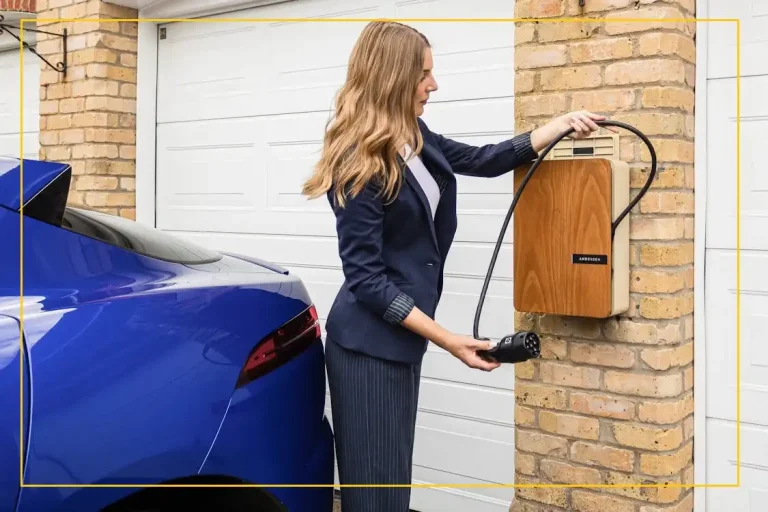
Beyond Engine Charging: Alternative Solutions
While using your car’s engine to Charge the Battery is convenient, it’s not always the most efficient or practical solution. Here are some alternative methods popular among American drivers:
Battery Tenders and Maintainers
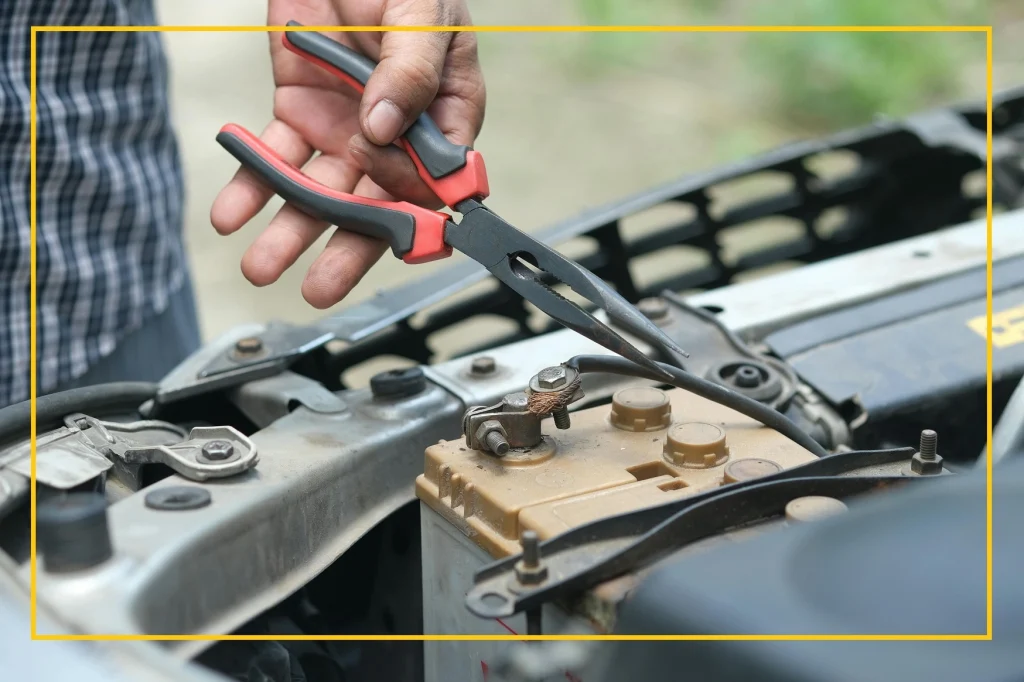
For vehicles that aren’t used frequently, a battery tender (also known as a maintainer) can be a lifesaver. These devices provide a low, constant charge to keep your battery topped off during periods of inactivity. They’re particularly popular in regions with harsh winters, where cars might sit unused for extended periods.
Jump Starters
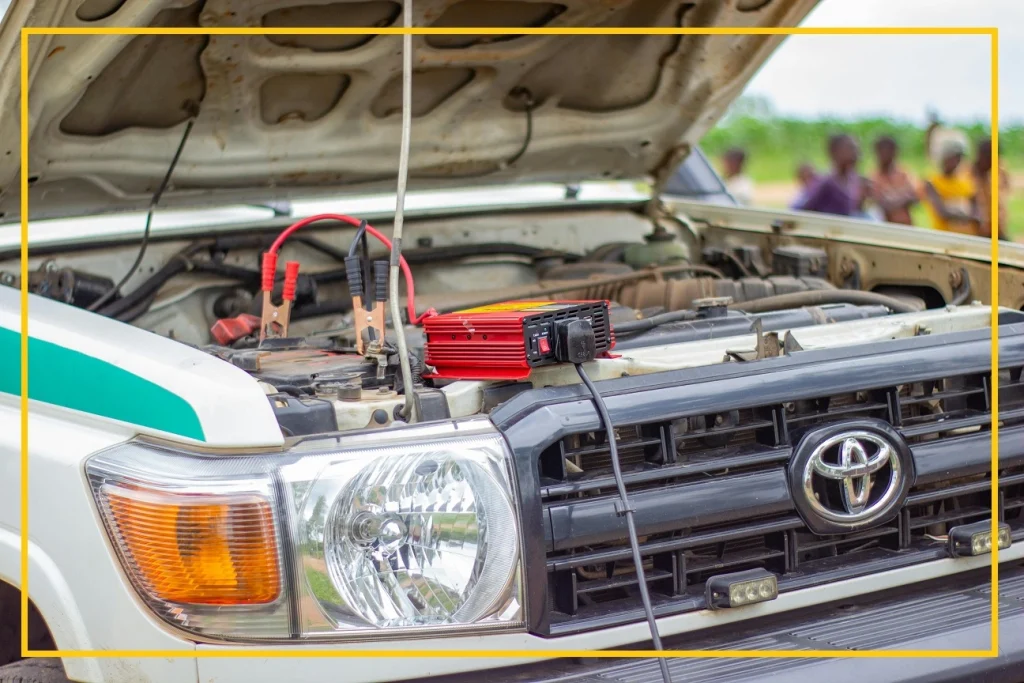
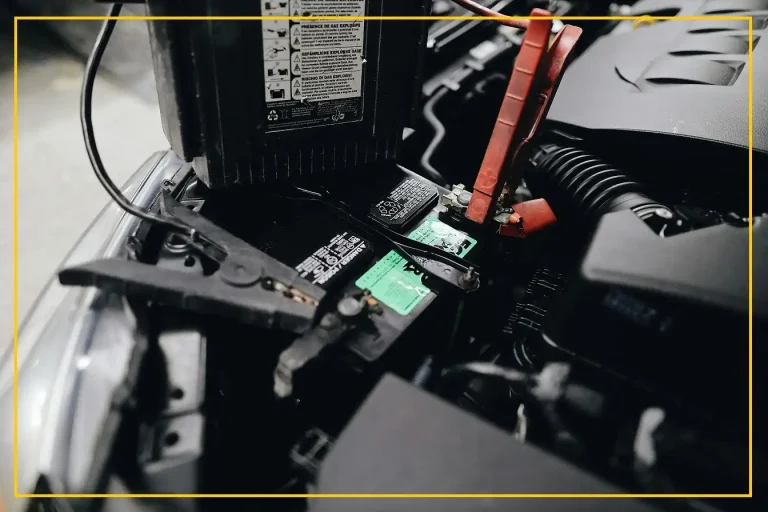
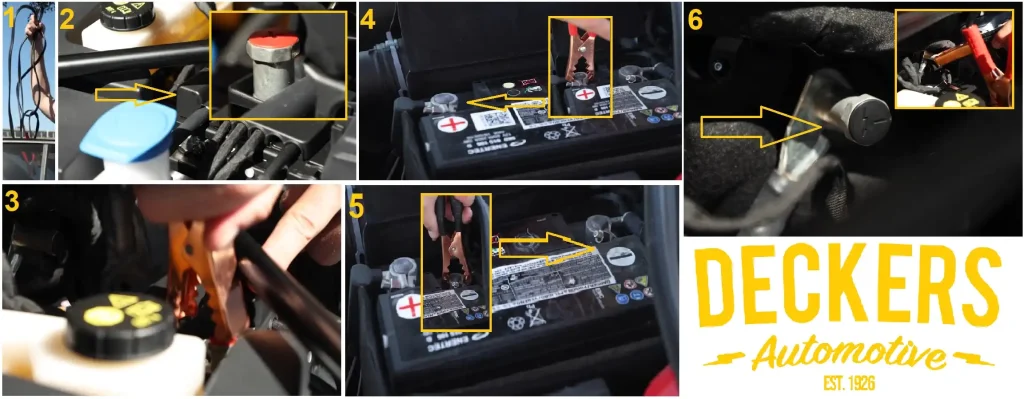
Portable jump starters have become increasingly popular in the USA. These compact devices can jump-start your car without needing another vehicle. While they don’t charge your battery, they can get you back on the road quickly in an emergency.
Professional Charging Services
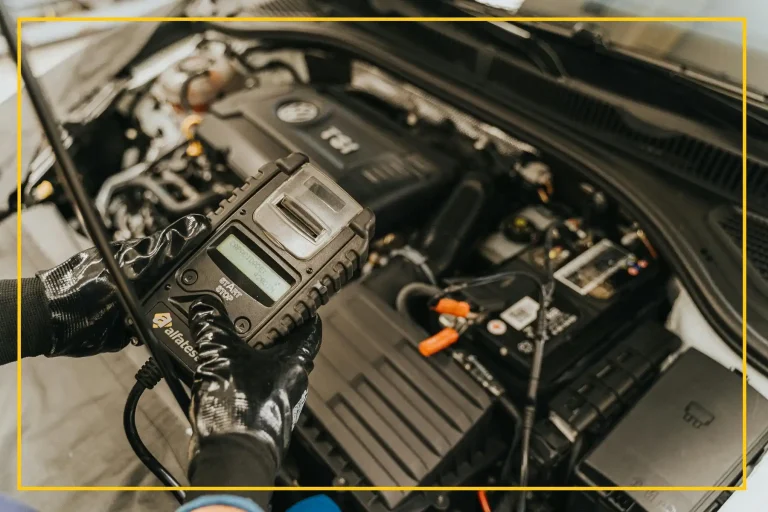
Many auto parts stores and service centers in the USA offer free Charge the Battery testing and charging services. If you’re unsure about your battery’s condition or don’t have the time to charge it yourself, this can be a convenient option.
Read: How To Car Alkaline Battery Recycling Near Me in USA

Best Practices for Battery Maintenance
To minimize the need for frequent charging and extend your battery’s life, consider these best practices:
- Regular use: Try to drive your car at least once a week for 15-20 minutes.
- Keep it clean: Corrosion on battery terminals can impede charging. Clean them regularly with a mixture of baking soda and water.
- Secure installation: Ensure your battery is securely fastened in its mounting to prevent damage from vibration.
- Limit short trips: Frequent short trips without giving the battery time to fully recharge can lead to a chronically undercharged battery.
- Be mindful of parasitic drain: Modern cars have many systems that draw power even when the car is off. Be aware of leaving things plugged into 12V outlets when the car isn’t running.
Read: Geely SUV Battery Maintenance: Maximize Your Battery’s Lifespan
The Future of Car Batteries in the USA
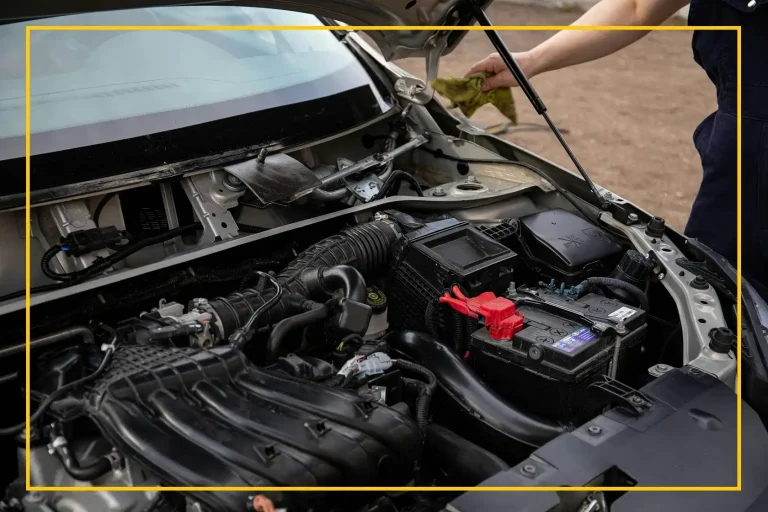
As we look to the future, the landscape of car Charge the Battery systems in the USA is evolving. Here are some trends to watch:
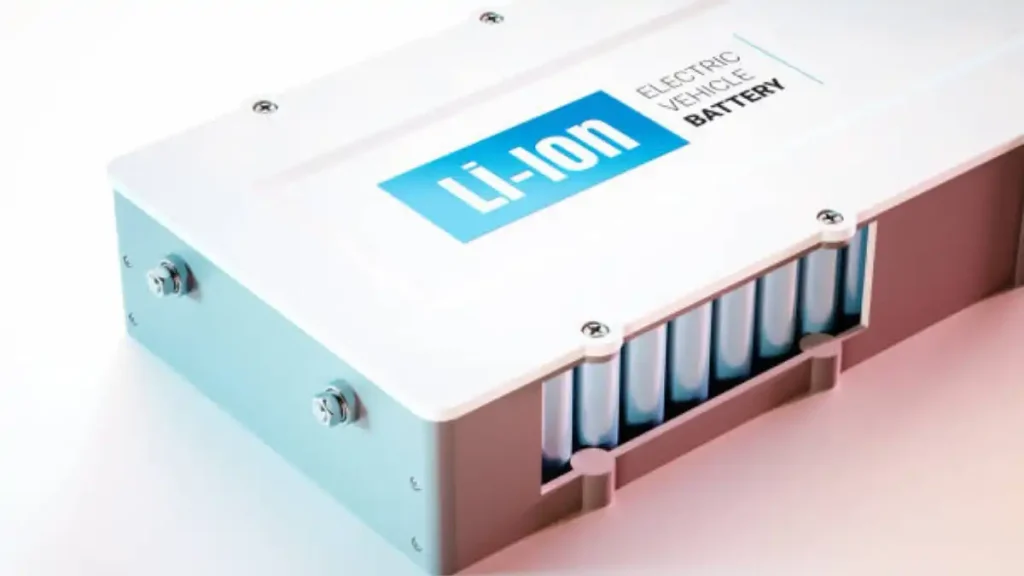
- Electric Vehicles (EVs): With the rise of EVs, high-capacity lithium-ion batteries are becoming more common. These have different charging characteristics compared to traditional lead-acid batteries.
- Start-Stop Technology: Many new cars in the USA feature start-stop systems to save fuel. These systems place additional demands on the battery and often require more advanced battery technologies.
- Smart Charging Systems: Some newer vehicles are equipped with intelligent charging systems that can adjust the charging rate based on the battery’s condition and the vehicle’s electrical demands.
Useful Table: Battery Charging Times and Methods
| Charging Method | Scenario | Estimated Time | Effectiveness |
| Highway Driving | Slightly discharged | 15-20 minutes | High |
| City Driving | Slightly discharged | 20-30 minutes | Moderate |
| Idling | Slightly discharged | 20-30 minutes | Low |
| Highway Driving | Moderately discharged | 30-40 minutes | High |
| City Driving | Moderately discharged | 40-50 minutes | Moderate |
| Idling | Moderately discharged | 60+ minutes | Very Low |
| Battery Tender | Any condition | 1-12 hours | High for maintenance |
| Professional Charger | Deeply discharged | 4-24 hours | Very High |
This table provides a quick reference for different charging scenarios. Remember that these are general estimates, and your actual experience may vary based on the specific factors we’ve discussed throughout this article.
Read: How To Check Car Battery Wont Hold A Charge In USA
Keeping Your Battery Charged and Ready
In the fast-paced world of American driving, a Charge the Battery is your ticket to reliable transportation. While the question of how long it takes to charge a car battery by running the engine doesn’t have a one-size-fits-all answer, we’ve explored the key factors that influence this process.
Remember, driving your car for 20-30 minutes is generally the most effective way to recharge your battery under normal circumstances. Idling, while sometimes necessary, is less efficient and should be used sparingly. For vehicles that sit for extended periods, investing in a battery tender can be a wise decision.
By understanding your car’s charging system and following best practices for battery maintenance, you can ensure that your vehicle is always ready to hit the open road, from the streets of Los Angeles to the highways of the Midwest.
As automotive technology continues to evolve, stay informed about the latest developments in battery technology and charging systems. Whether you’re driving a classic American muscle car or the latest electric vehicle, a well-maintained battery is key to a smooth and reliable driving experience.
So the next time you turn the key in your ignition, take a moment to appreciate the complex dance of electrons that brings your vehicle to life. With the knowledge you’ve gained from this guide, you’re well-equipped to keep your battery charged and your journeys uninterrupted across the diverse and beautiful landscapes of the USA.
More Automotive Update Visit Deckers Auto