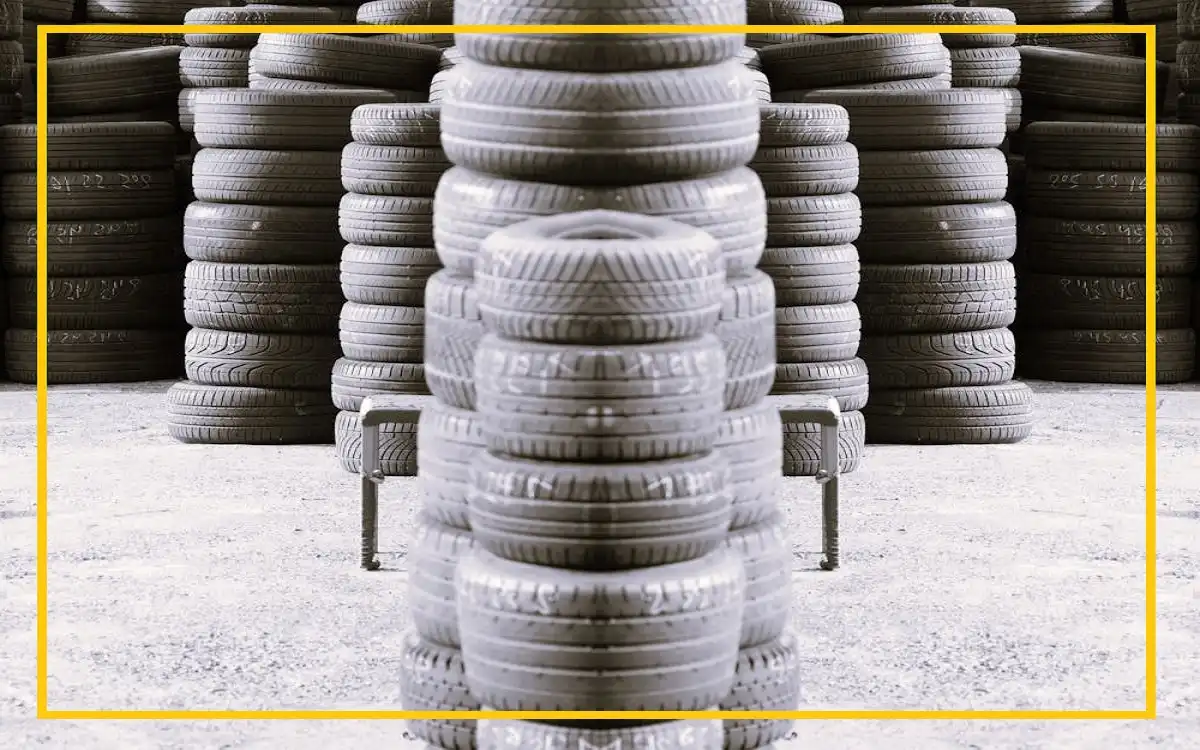
Expert-approved used tire in the USA can be a smart, safe, and budget-friendly choice when you buy from reputable dealers who inspect, grade, and back every tire with clear warranties. With growing rules in 2025 around tire safety and recycling, trustworthy sellers now focus even more on quality checks, traceability, and eco-friendly handling of old tires.
Read: Top-Rated Local Used Tire Shops: Save Up to 70% on Premium Brands in USA
What “used tire” really means
A used tire is any tire that has been previously mounted and driven on a vehicle, then removed and offered for resale instead of being scrapped. These tires may come from lease returns, trade-ins, fleet vehicles, or cars that were totaled but still had usable tires.

In the USA, new tires must meet strict federal safety standards before sale, but used tires can be resold with far fewer direct federal restrictions, which makes the seller’s own inspection process extremely important. Because of this, expert-approved used tire dealers rely on internal quality protocols, trained inspectors, and clear grading to ensure every tire they sell is safe for the road.
Why used tires are trending in 2025
The second-hand tire industry is projected to grow strongly through 2035, reaching tens of billions of dollars as more drivers look for affordable and sustainable options. At the same time, the overall US tire market continues to expand, driven by higher vehicle ownership and stronger focus on safety and performance.
Economic pressure and inflation make many drivers look for ways to cut maintenance costs, and quality used tires can cost 30–60% less than equivalent new tires while still offering plenty of usable tread life if properly inspected. Sustainability pressure is also rising, and regulators are tightening rules around waste tires and recycling in 2025, pushing shops to reuse safe tires and recycle the rest instead of sending them to landfills.
Basic 2025 updates affecting used tires
In 2025, environmental and waste rules are becoming stricter for tire shops and recyclers across the USA, which indirectly improves quality control for used tires. New federal-aligned guidelines expect proper storage, tracking, and disposal of scrap tires, and some states add registration and reporting requirements for businesses that store or transport large volumes of used tires.

Some states now explicitly prohibit installing unsafe used tires, which encourages retailers to reject any casing that fails safety checks instead of taking risks to make a quick sale. States like New York also keep rules in force that require tire service centers to accept used tires back from customers and charge recycling fees, which supports better collection and processing of end-of-life tires.
Benefits of buying expert-approved used tires
Buying any used tire is not the same as buying an expert-approved used tire, and the difference shows in safety, value, and experience. Good dealers add professional inspection, testing, and a warranty on top of the basic product, which makes the purchase feel much closer to buying new tires.
Main benefits include:
- Lower cost: Used tires from reputable sellers can offer significant savings versus new, which helps if you need a full set or have multiple vehicles to maintain.
- Tested quality: Expert-approved tires are checked for tread depth, age, damage, and uniformity, so unsafe units never reach the sales floor.
- Eco-friendly choice: Reusing safe tires extends their life and reduces the volume of scrap tires that must be recycled or stored, supporting circular economy goals.
What “expert-approved” actually involves
When a dealer calls a product “expert-approved used tire”, it usually means the tire passed a defined multi-step process performed by trained staff. While details differ by company, you can expect some common steps from quality-focused sellers in the USA.
Typical expert approval process:
- Visual inspection: Check for cuts, bubbles, sidewall cracks, exposed cords, and signs of previous repairs, rejecting any structurally unsafe tire.
- Tread measurement: Confirm that usable tread remains (many shops aim well above the legal minimum) and check for uneven wear that might cause noise or handling issues.
- Age and identification check: Read the DOT code to confirm that the tire is not too old and is not part of any published safety recall.
- Air and balance test: Pressurize the tire, watch for leaks, and sometimes spin it on a balancer to check for vibration or internal defects.
Why warranties matter for used tires
Warranties are one of the biggest signals that a used tire seller takes quality seriously, because they put the risk back on the company if something fails too soon. These warranties are usually shorter and more limited than new tire warranties, but they still add meaningful protection for the buyer.
Types of warranties you may see:
- Limited time defect warranty: Coverage for a set period (for example, 30–90 days) against workmanship or structural defects that were missed during inspection.
- Road-hazard or replacement plans: Some shops offer partial credit or replacement if a used tire is damaged early in its life by potholes or debris, subject to conditions.
- Install and balance guarantee: The dealer may guarantee that the used tire, once installed and balanced at their shop, will run smoothly with no major vibration within a short time window.
How to choose the right used tire dealer in the USA
Choosing the right seller is more important than the individual tire, because professional dealers are more likely to reject unsafe stock and honor warranties. When searching in the USA, focus on transparency, reputation, and clear policies.
Look for dealers who:
- Publish their inspection steps and safety criteria clearly, not just marketing claims.
- Offer written or digital warranties that are easy to understand and not buried in fine print.
- Have consistent reviews mentioning good communication, honest grading, and quick handling of any issues or returns.
- Are aware of current 2025 regulations on waste and used tires, showing that they operate responsibly and keep up with industry rules.
Safety checklist when buying a used tire
Even with expert approval, it is wise to do a basic safety check yourself or with your mechanic. A few minutes of inspection can prevent headaches later on.
Key things to check:
- Tread depth: Make sure the tread is comfortably above the legal minimum, with no bald spots or cords showing.
- Sidewalls: Avoid tires with visible bulges, deep cracks, patched sidewalls, or large scuffs that reach the cords.
- Age: Read the DOT date code; many safety experts recommend avoiding passenger tires that are very old, even if the tread looks good.
- Repair quality: If there is a puncture repair, prefer professional internal patches and avoid tires with multiple or poorly placed repairs.
When a used tire is NOT a good idea
Not every used tire is a smart buy, even at a low price, and understanding red flags will help you walk away when needed. Cheap but unsafe tires can lead to blowouts, poor handling, and even crashes, especially at highway speeds.

Avoid used tires that:
- Come without any visible DOT marking, brand, or size information.
- Show signs of underinflation damage, such as severe shoulder wear, melted-looking rubber, or sidewall creasing.
- Appear in a pile with poor storage, exposed to weather, oil, or standing water, which can degrade the rubber.
- Are sold with “no returns” and no warranty, especially from informal roadside sellers or online listings without inspection reports.
How used tires fit into the recycling and sustainability picture
Used tires sit in the middle of the tire life cycle, between new sales and full recycling. A safe used tire extends the service life of the product and delays the moment when it becomes waste, which fits well with circular economy goals.
The US tire recycling market itself is expected to grow steadily through 2035 as demand for tire-derived products and rubberized materials increases. Regulators also encourage better waste management through fees, grants, and tighter oversight, which supports businesses that responsibly resell safe used tires and recycle the rest.

Practical tips to get the best value from a used tire
To get maximum value from a used tire purchase, combine careful selection with good maintenance. Even a high-quality used tire can wear out quickly if not cared for properly.
Simple ways to protect your investment:
- Keep proper air pressure and check it regularly to avoid uneven wear and overheat damage.
- Align and balance your wheels, especially after installing used tires, to prevent cupping and vibrations.
- Rotate tires on schedule to even out wear across all positions on the vehicle.
Sample decision guide for used tire buyers in the USA
The table below gives a quick reference for typical situations where a used tire can make sense, what to look for, and the role of warranties in your decision.

| Situation / Need | How a used tire helps | What to check before buying | Role of warranty |
| Replacing one damaged tire on an older car | A matching used tire can be cheaper and closer in wear to your existing tires, improving balance and handling. | Confirm size, speed rating, and tread pattern are compatible with the other tires on the axle, and check tread depth is similar. | Short defect warranties ensure the replacement tire is not hiding internal damage that shows up soon after installation. |
| Budget-friendly full set for city driving | Quality used tires can offer solid performance for low-to-medium speeds at a fraction of new tire cost. | Prioritize even tread wear, recent production dates, and a clear inspection report from the dealer. | A written warranty gives confidence when buying a full set and spreads risk across all four tires. |
| Temporary solution before major upgrade | Used tires can carry you safely for a limited period until you switch to premium or performance tires. | Choose tires with enough tread life left for your planned timeframe and verify no recalls apply to the model. | Time-limited warranties match the short-term use and protect you against early failures. |
| Eco-conscious choice to reduce waste | Reusing safe tires reduces demand for new raw materials and delays entry into the recycling stream. | Make sure the dealer follows current waste and recycling regulations and rejects unsafe casings. | Warranty-backed used tires show that the seller stands behind both safety and sustainability claims. |
Finally
Used tire in the USA can be a smart, expert-approved choice when they come from reputable dealers who combine strict inspection, up-to-date knowledge of 2025 regulations, and clear warranties. By focusing on safety checks, understanding warranties, and choosing responsible sellers, drivers can enjoy quality pre-owned tires that save money, support sustainability, and still deliver reliable performance on American roads.
More Automotive Update Visit Deckers Auto