Restored My Car Restoring a classic car is a journey that combines mechanical skills, patience, and a dash of nostalgia. As a student in the USA, I embarked on this adventure armed with nothing but enthusiasm and a trusty YouTube account. The Deckersauto shares the information for your fellow students looking to breathe new life into an old vehicle.
Introduction
The allure of classic cars is timeless. There’s something magical about the curves of a 1960s muscle car or the elegance of a 1950s convertible. However, bringing these mechanical marvels back to their former glory can seem daunting, especially for a student on a budget. That’s where the power of the internet, specifically YouTube, comes into play.
In this digital age, YouTube has become an invaluable resource for DIY enthusiasts, offering a wealth of knowledge on virtually every topic imaginable – including car restoration. From rust removal to engine rebuilding, there’s a video tutorial for almost every aspect of the restoration process.
We share this information will guide you through my personal journey of restoring a classic car using YouTube as my primary learning tool. We’ll explore the challenges, triumphs, and lessons learned along the way, providing you with a roadmap for your own restoration project.
Read: Car Of The USA 2022 Ford Mustang Shelby GT500
Finding the Right Project Car
Research and Selection
The first step in any restoration project is finding the right car. For me, this meant hours of scrolling through local classifieds and online marketplaces. I was looking for a balance between affordability, availability of parts, and potential value after restoration.
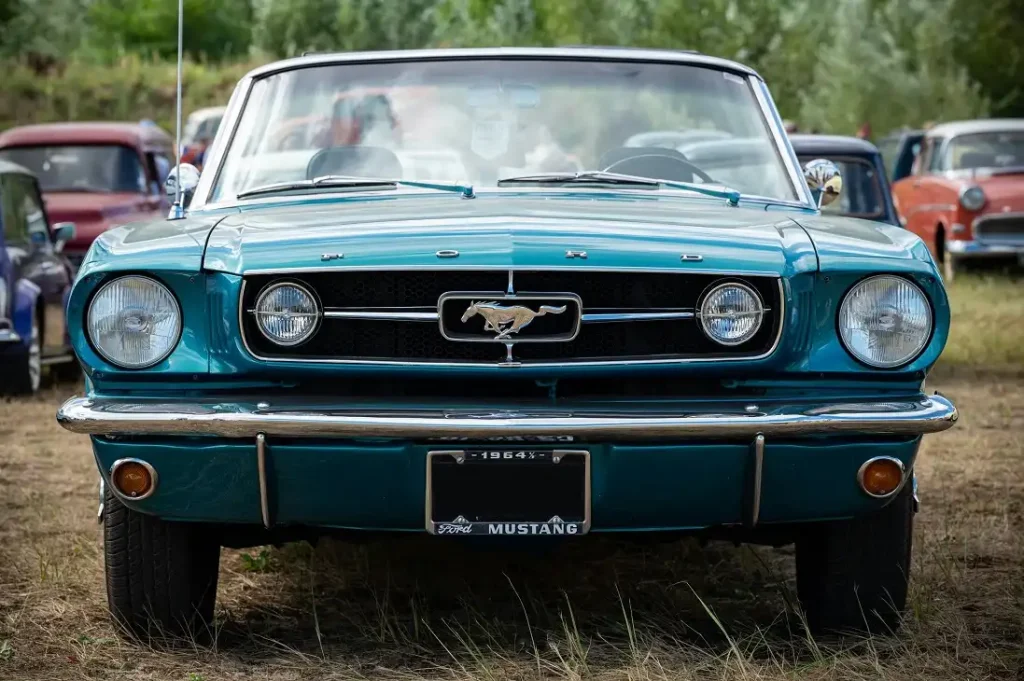
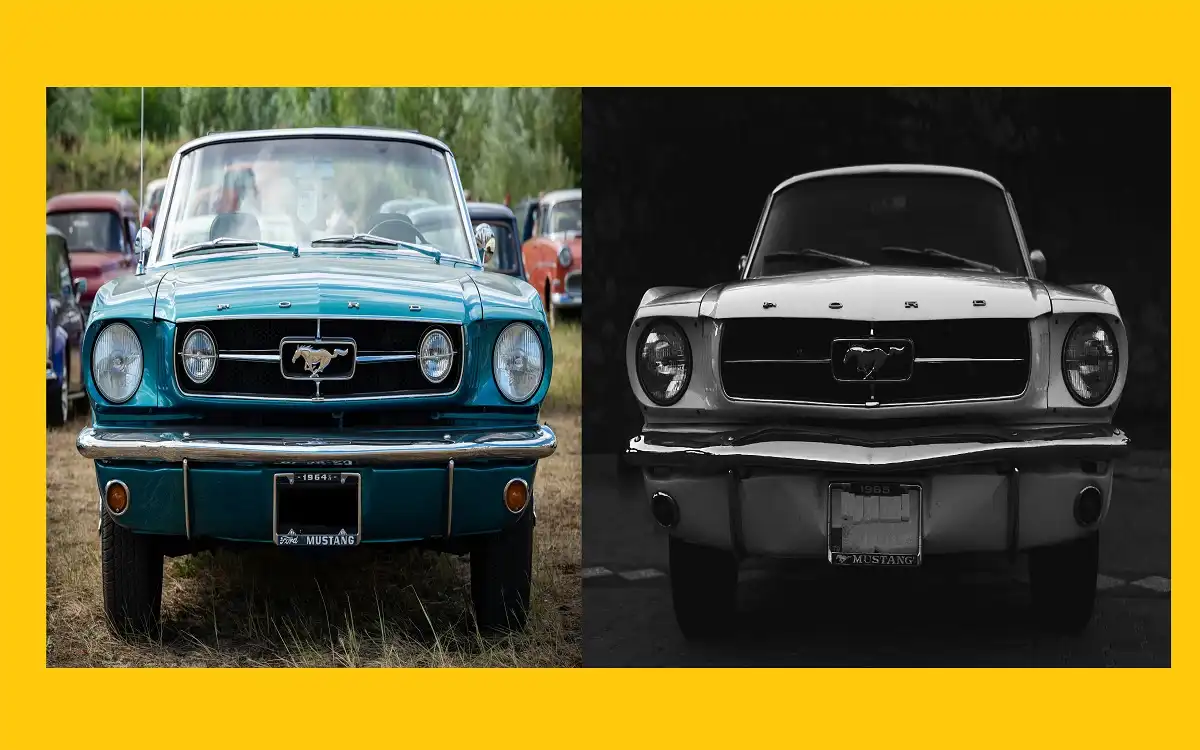
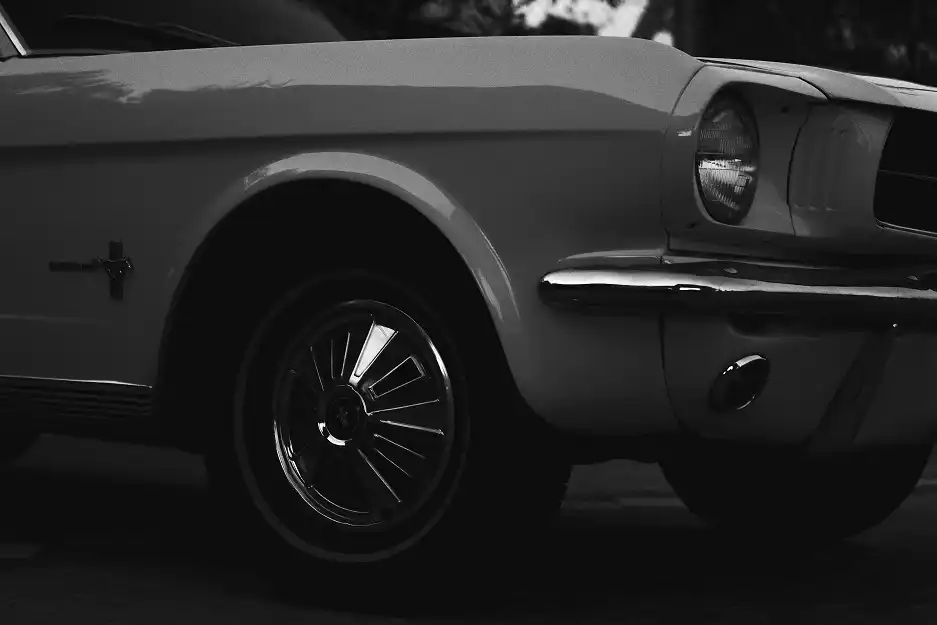
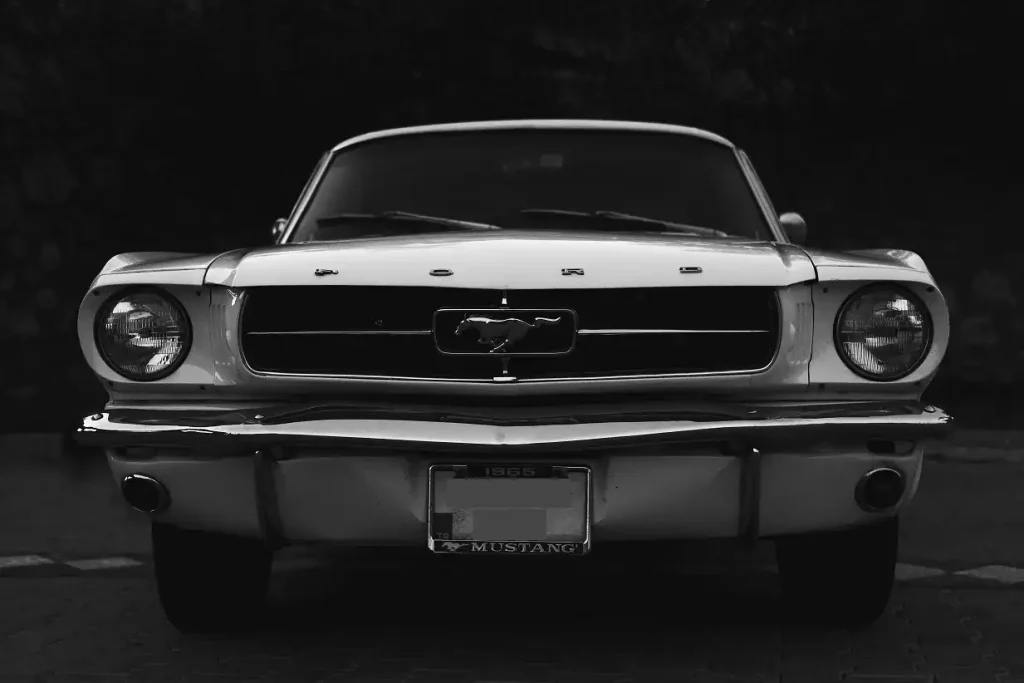
My Choice: A 1965 Ford Mustang
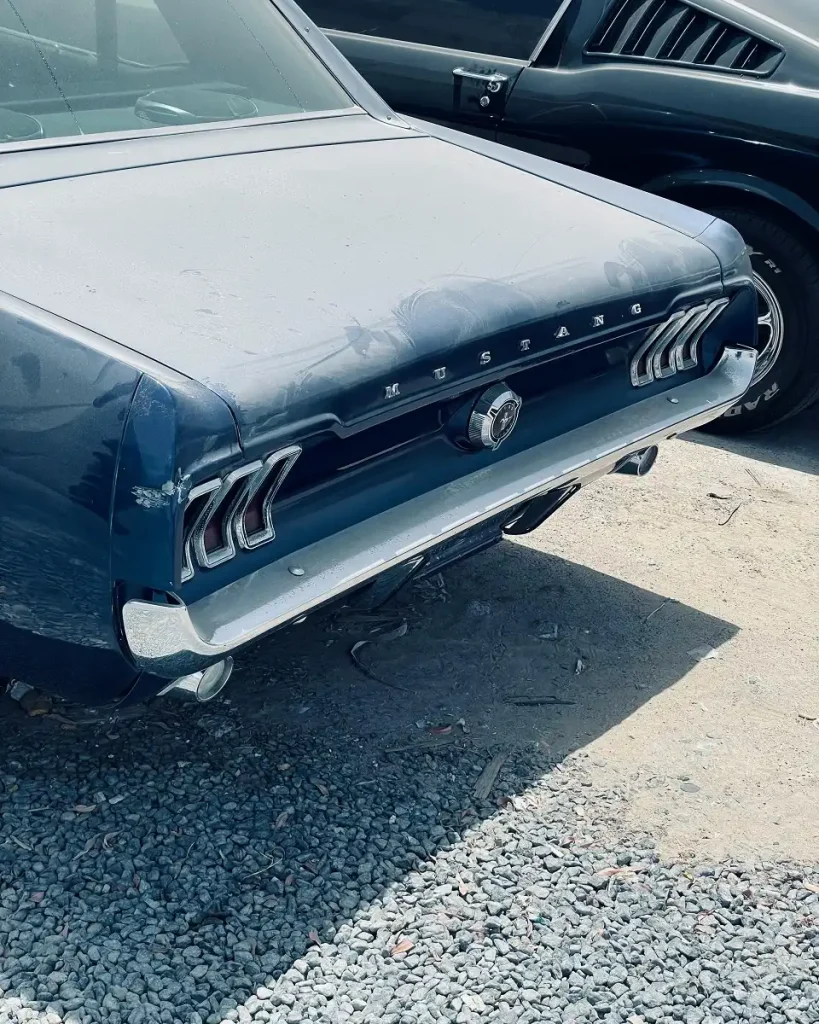
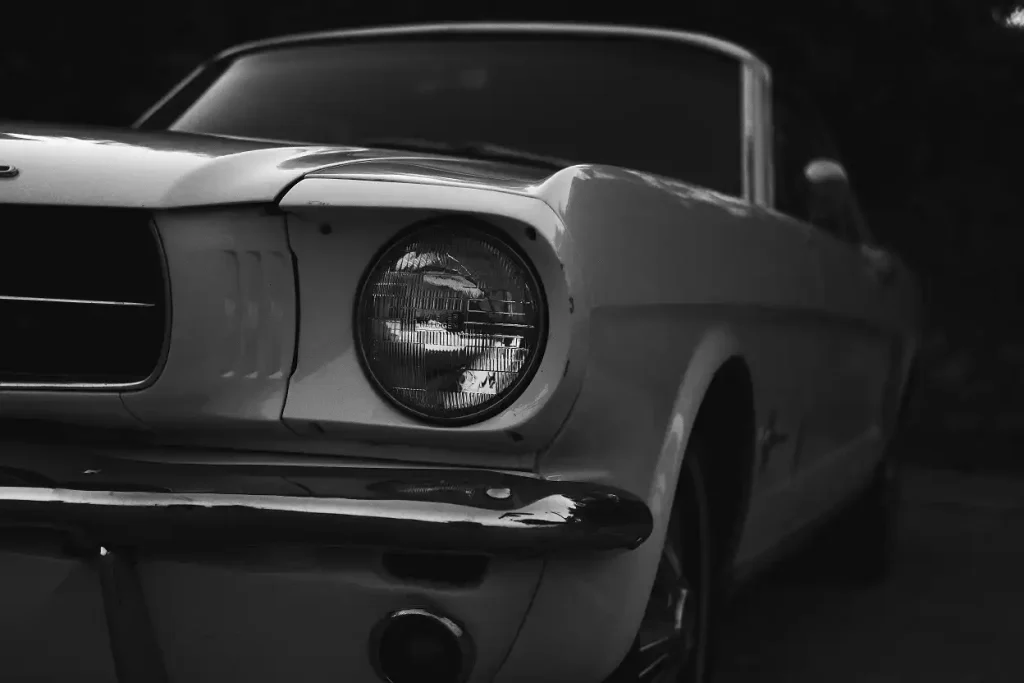
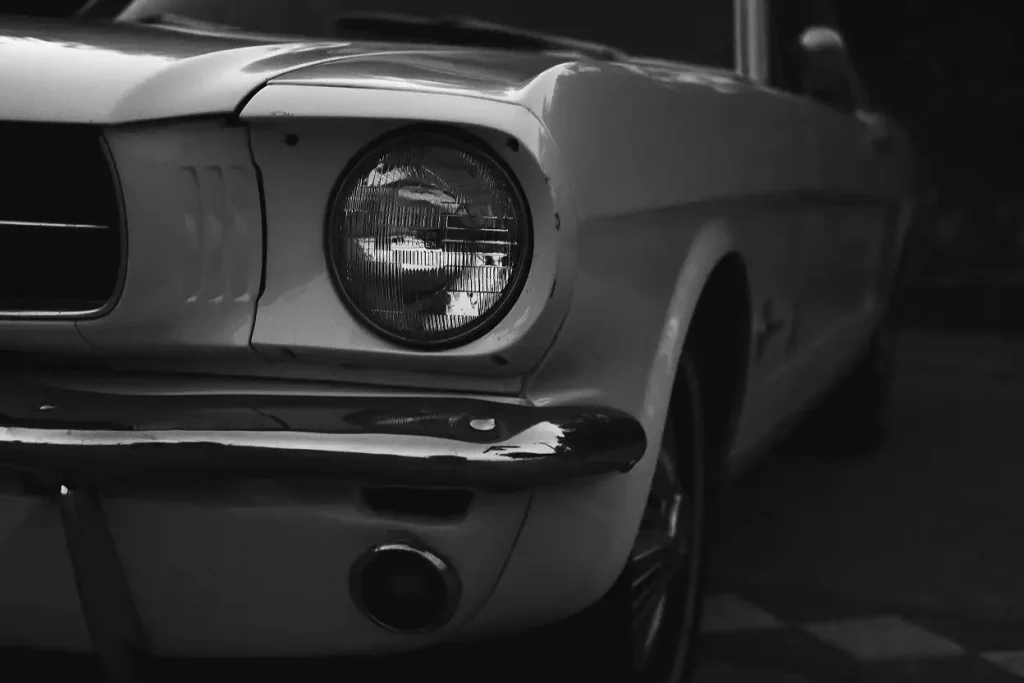
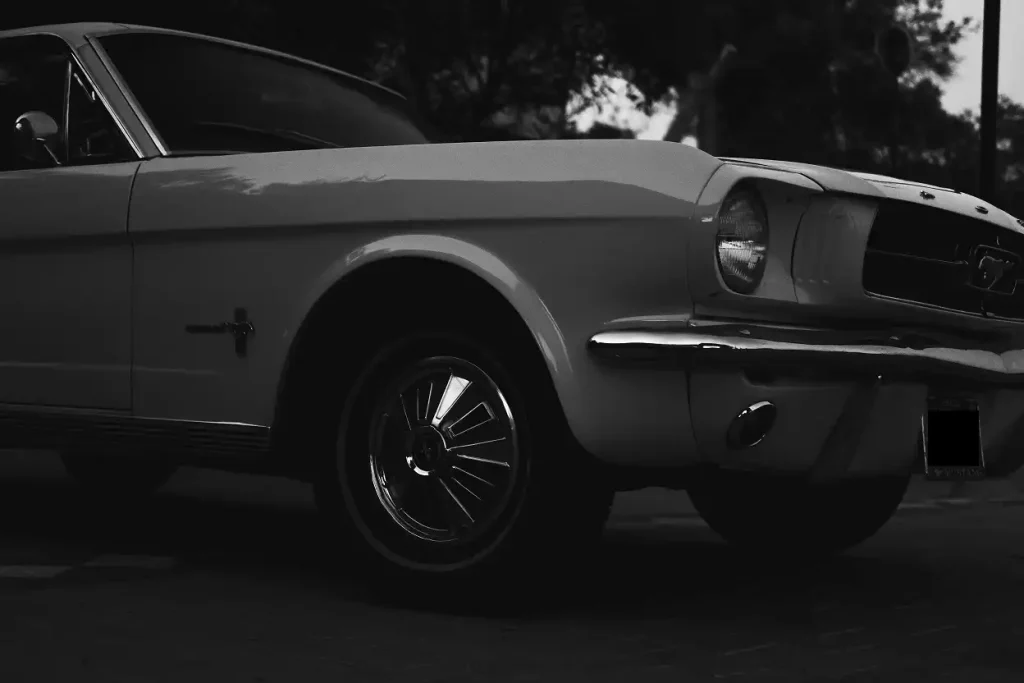
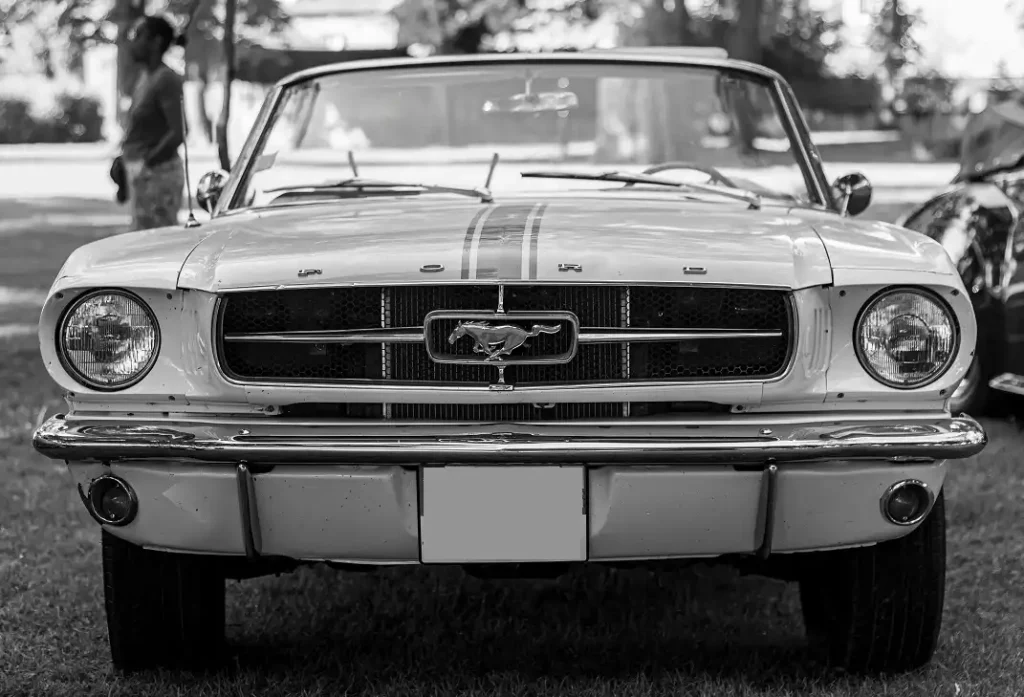
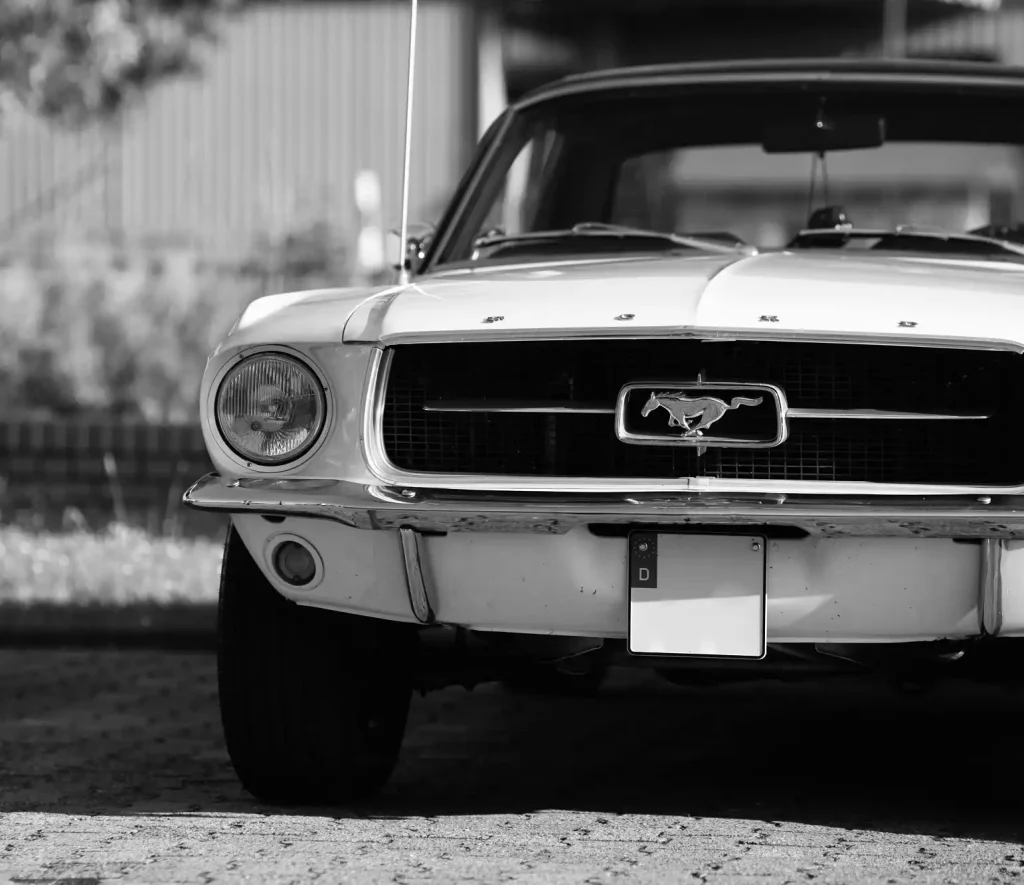
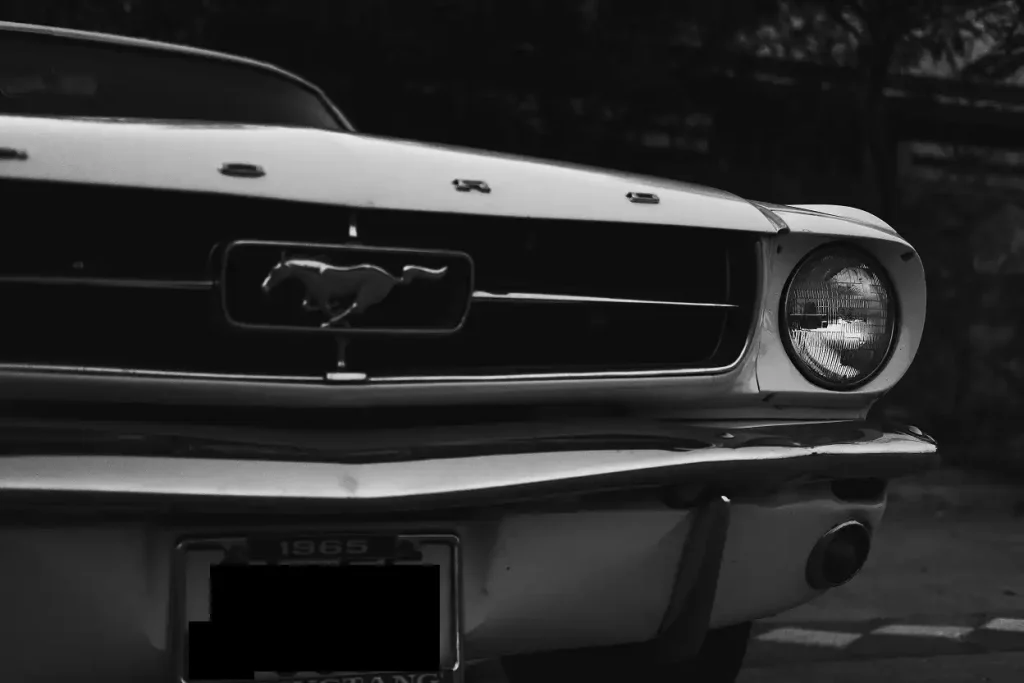
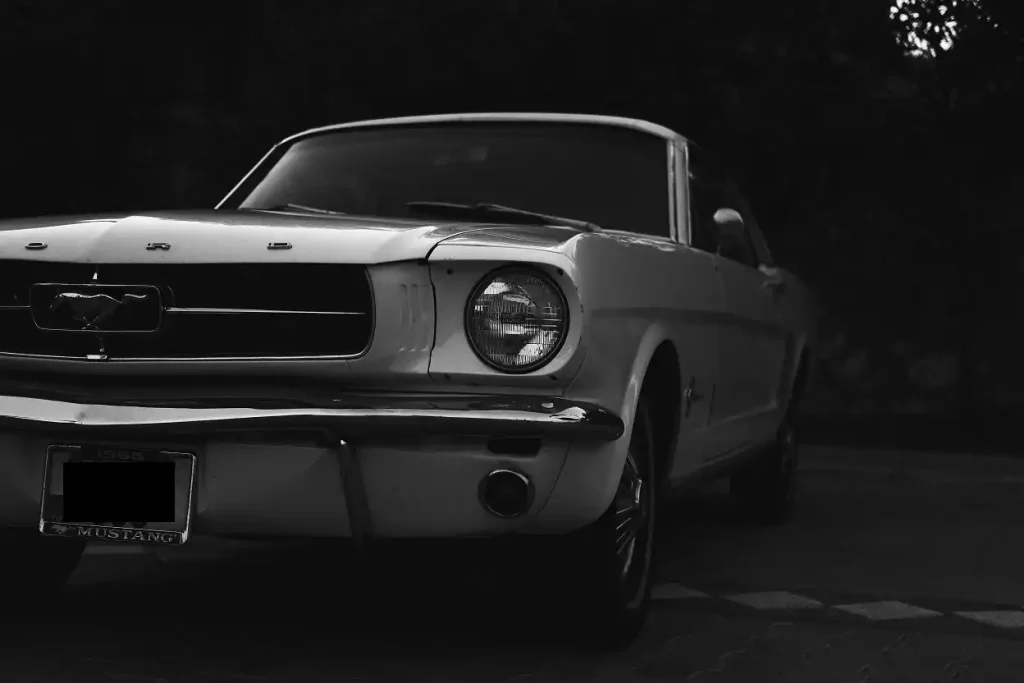
After weeks of searching, I stumbled upon a 1965 Ford Mustang. It was far from pristine – rust had claimed large portions of the body, the interior was a mess, and the engine hadn’t run in years. But beneath the wear and tear, I saw potential.
Planning the Restoration
Assessing the Damage
Before diving into the restoration, I needed to assess the extent of the work required. This is where YouTube first came to my rescue. Channels like “DIY Auto School” and “Classic Car Restoration Club” offered comprehensive guides on how to evaluate a project car.
Creating a Restoration Plan
Armed with this knowledge, I created a detailed restoration plan. I broke down the project into manageable phases:
- Body and frame repair
- Engine and drivetrain restoration
- Interior refurbishment
- Electrical system overhaul
- Paint and finishing touches
The Restoration Process
Phase 1: Body and Frame Repair
Rust Removal
The Mustang’s body was riddled with rust, a common issue with classic cars. YouTube channels like “ChrisFix” and “1A Auto” provided excellent tutorials on rust removal and panel replacement.
| Method | Pros | Cons |
| Chemical rust remover | Easy to use, less labor-intensive | Can be expensive for large areas |
| Mechanical removal (wire brush, sandpaper) | Inexpensive, effective | Time-consuming, labor-intensive |
| Cut and replace | Provides a long-lasting solution | Requires welding skills, more expensive |
I opted for a combination of chemical rust remover for small spots and cutting and replacing severely rusted panels. The “Classic Car Restoration Club” channel had an excellent series on panel replacement that guided me through this process.
Read: The 2025 Ford Mustang GTD: A High-Performance Supercar for the Streets and Track
Frame Inspection and Repair
Next, I inspected the frame for any damage or weakness. The “DIY Auto School” channel had a comprehensive video on frame inspection that proved invaluable. Fortunately, my Mustang’s frame was in relatively good condition, requiring only minor repairs.
Phase 2: Engine and Drivetrain Restoration
Engine Removal and Disassembly
Removing and disassembling the engine was one of the most daunting tasks. The “EricTheCarGuy” channel provided a step-by-step guide that made this process manageable. I documented each step meticulously, taking photos and labeling parts to ensure everything went back together correctly.
Engine Rebuilding
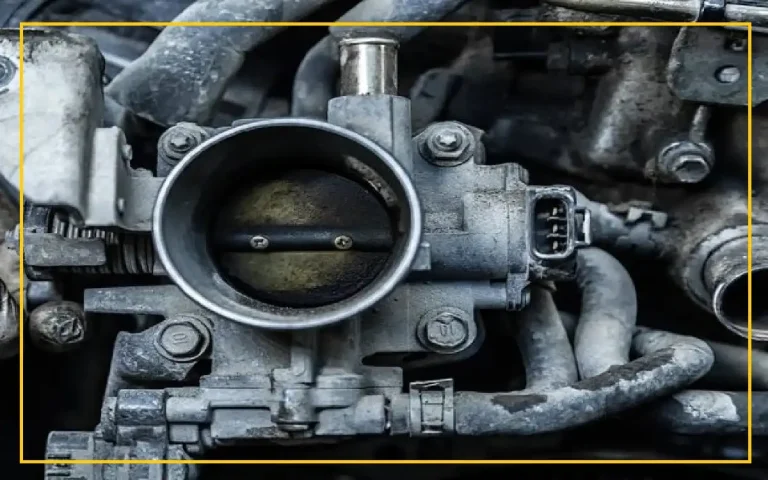
Rebuilding the engine was a learning experience in itself. I relied heavily on the “MuscleCarS.com” YouTube channel, which had a series specifically on rebuilding Ford V8 engines. This process involved:
- Cleaning and inspecting all components
- Replacing worn parts (piston rings, bearings, gaskets)
- Machining the cylinder heads and block (I had this done professionally)
- Reassembling the engine
Transmission Overhaul
The transmission also needed attention. The “Transmission Repair Guy” channel guided me through diagnosing issues and performing a basic overhaul of the Mustang’s 3-speed manual transmission.
Phase 3: Interior Refurbishment
Upholstery Replacement
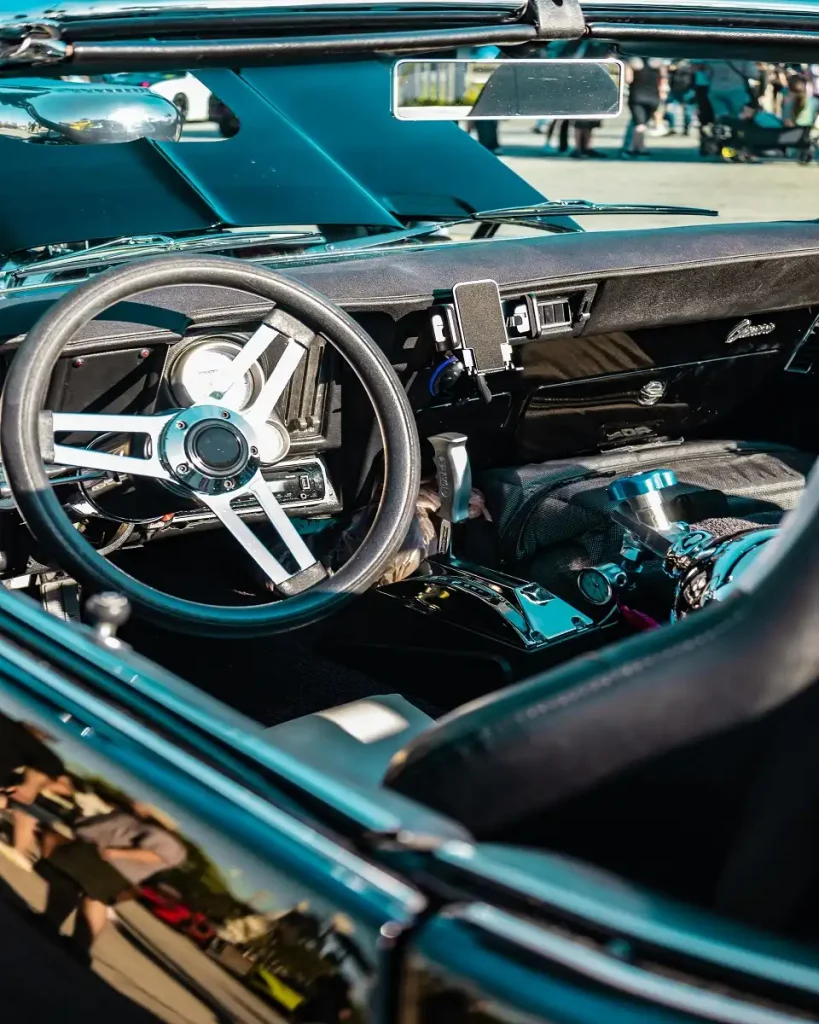
The interior was in rough shape, with torn seats and a cracked dashboard. YouTube channels like “Cechaflo” and “SRQ Customs” provided tutorials on reupholstering seats and refurbishing dashboards. I learned to use a sewing machine and work with vinyl, skills I never thought I’d acquire as part of a car restoration project.
Carpet Installation
Installing new carpet seemed straightforward but required attention to detail. The “AutoCustomsCarpets” channel had a great video on measuring, cutting, and installing carpet in classic cars.
Read: Mustang Mach E Review – Is Mustang Mach E Worthy To Buy in America
Phase 4: Electrical System Overhaul
Wiring Harness Replacement
The electrical system needed a complete overhaul. The “American Autowire” channel offered comprehensive guides on installing a new wiring harness. This process required patience and meticulous attention to detail to ensure all connections were correct.
Dashboard Gauge Restoration
Restoring the dashboard gauges was a delicate process. The “Speedometer Service” channel provided insights into cleaning and calibrating classic car gauges.
Phase 5: Paint and Finishing Touches
Body Preparation
Preparing the body for paint was crucial for a quality finish. I followed the “Paint Society” channel’s advice on body filler application, sanding, and priming.
Painting
For the actual painting process, I relied heavily on the “Eastwood Company” channel. They offered tips on everything from choosing the right paint to proper spraying techniques. I opted to paint the car myself in my makeshift garage spray booth, a decision that saved money but required a significant time investment.
Challenges and Solutions
Throughout the restoration process, I encountered numerous challenges. Here are some key issues and how YouTube helped me overcome them:
- Stuck bolts: The “ChrisFix” channel had an excellent video on removing seized bolts without damaging surrounding components.
- **Bodywork alignme
nt**: “Fitzee’s Fabrications” provided tips on aligning body panels for a factory-like fit.
- Carburetor tuning: “Holley Carburetors” channel offered in-depth guides on tuning carburetors for optimal performance.
- Brake system bleeding: “BleeperBike” had a simple yet effective method for bleeding brakes single-handedly.
Lessons Learned
Restoring a classic car using YouTube as a guide taught me several valuable lessons:
- Patience is key: Restoration takes time, often more than initially anticipated.
- Organization matters: Keeping parts labeled and organized saves time and prevents frustration.
- Community support is invaluable: Engaging with other restorers through YouTube comments and forums provided solutions to many unique problems.
- Skills are transferable: The skills I learned (welding, painting, upholstery) have applications beyond car restoration.
- Budget flexibility is necessary: Unexpected issues often arise, requiring additional funds.
Read: Best Fast and Furious Cars You Can Buy In USA and Canada
The Final Result
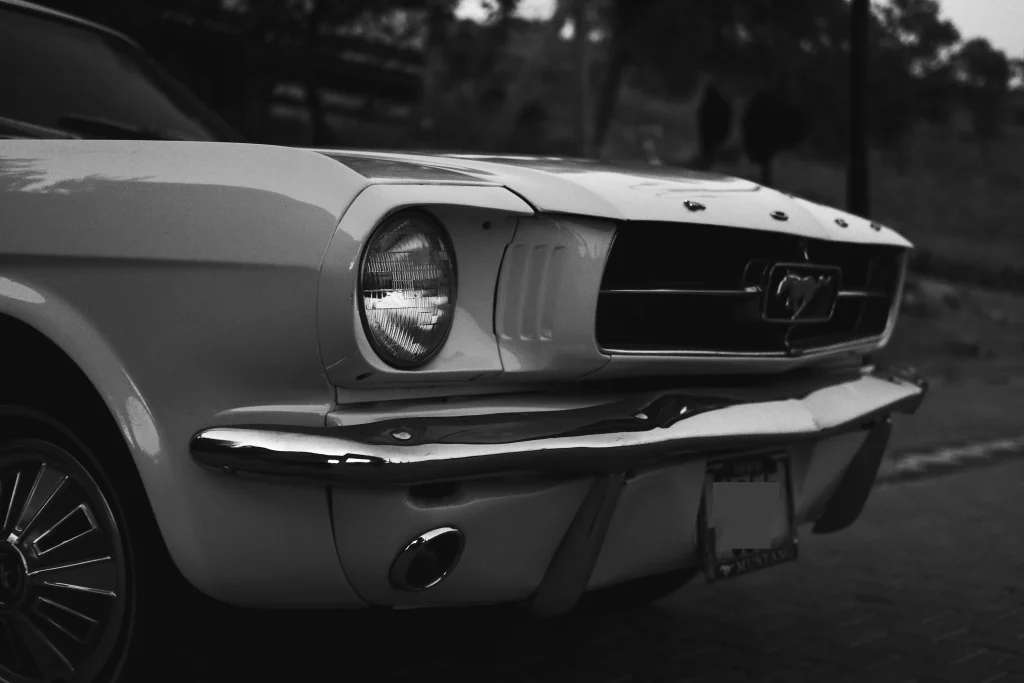
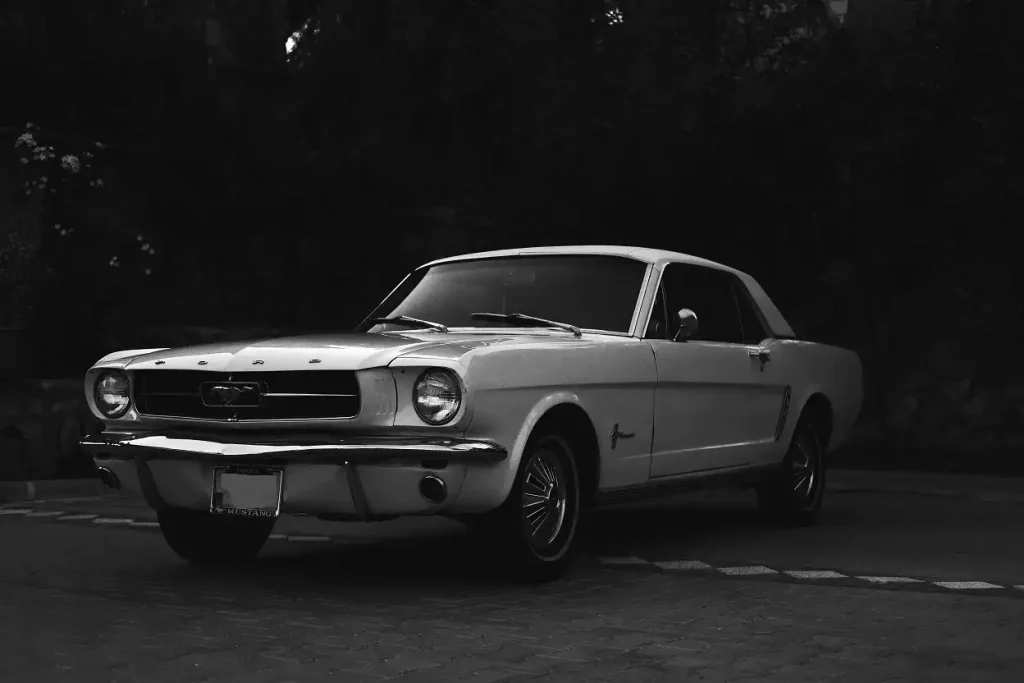
After months of hard work, countless YouTube tutorials, and more than a few moments of frustration, my 1965 Ford Mustang was transformed. The once rust-riddled body now gleamed with fresh paint. The engine purred like new, and the interior looked showroom fresh.
Finally
Restored My Car as a student in the USA using YouTube as a primary resource was an ambitious undertaking. It required dedication, patience, and a willingness to learn. However, the experience was incredibly rewarding, not just in terms of the finished product, but also in the skills and knowledge gained along the way.
For students considering a similar project, remember that while YouTube is an invaluable resource, it’s not a substitute for proper safety precautions and, when necessary, professional help. Always prioritize safety and don’t hesitate to seek expert assistance for complex or potentially dangerous tasks.
Read: Why EcoBoost Engine Car Still In Demain In USA?
Ultimately, this project was more than just about restoring a car. It was about preserving a piece of automotive history, learning new skills, and proving that with determination and the right resources, even a student can breathe new life into a classic vehicle.
Whether you’re considering restoring a muscle car, a vintage pickup, or a classic European sports car, remember that the journey is just as important as the destination. Embrace the learning process, be patient with yourself, and don’t be afraid to turn to the vast community of auto enthusiasts on YouTube for guidance and inspiration.
Happy restoring!
More Automotive Update Visit Deckers Auto