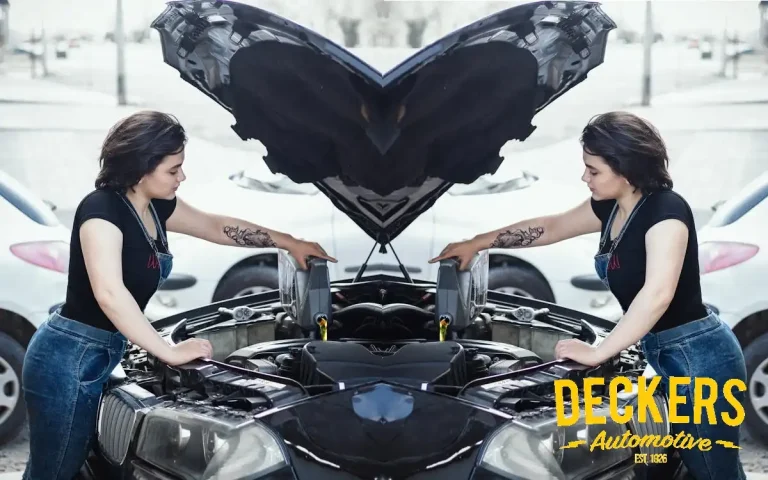
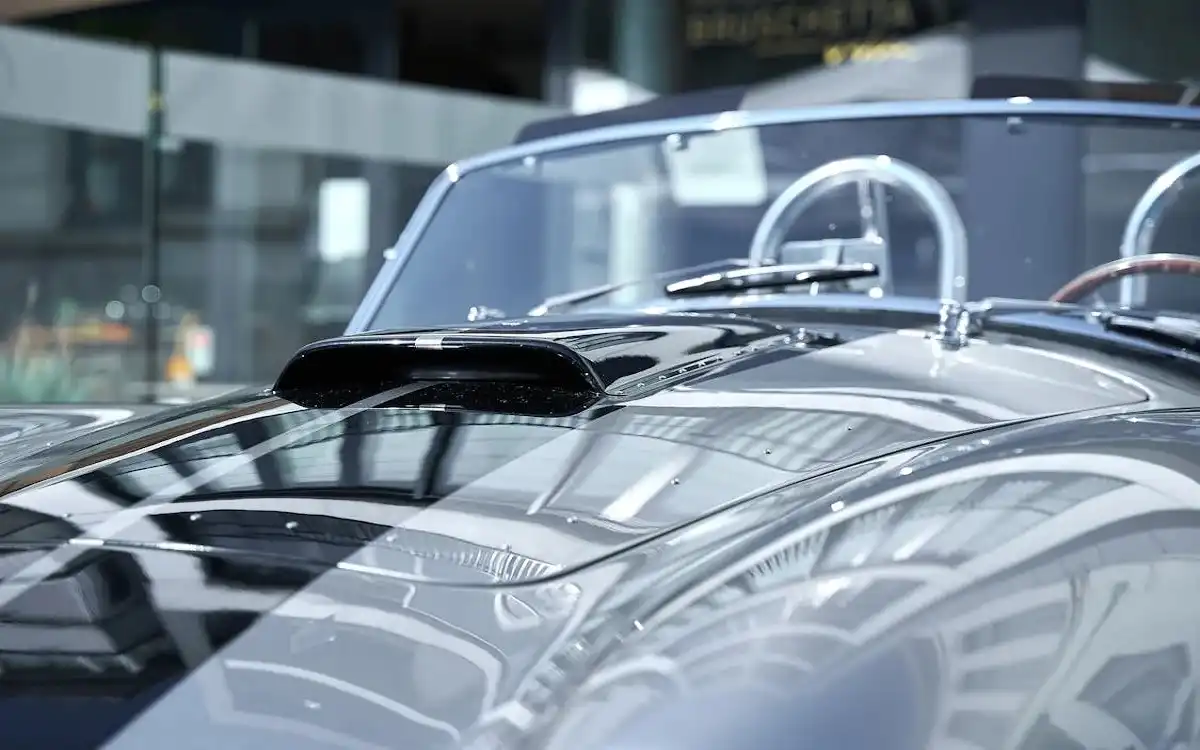
The Future of Automotive Technology: Innovations Shaping the Road Ahead
Is there any Modern Automotive Technology in America? In the fast-paced world of automotive innovation, the future holds an exciting array of technological advancements poised to transform the way we experience and interact with our vehicles. From the rise of autonomous driving to the integration of smart home technology, the automotive industry is undergoing a revolution that promises to redefine the driving experience.
Recent Released: How Much Does Coolant Leak Repair Cost in USA for Any type of Vehicle?

Autonomous Vehicles: The Self-Driving Revolution
One of the most anticipated advancements in automotive technology is the steady progress towards fully autonomous vehicles. Major players in the industry, such as Tesla, Waymo, and Cruise, are in charge of developing advanced self-driving systems that can navigate roads with minimal human intervention. These systems utilize a combination of sensors, cameras, and sophisticated algorithms to perceive the environment, make real-time decisions, and safely guide the vehicle to its destination.
As this technology continues to evolve, experts predict that autonomous vehicles will become increasingly prevalent on our roads, offering a range of benefits. Improved safety is a primary driver, as self-driving cars have the potential to reduce the number of accidents caused by human error significantly. Additionally, autonomous vehicles could revolutionize transportation for individuals unable to drive, such as older people or those with disabilities, providing them greater independence and mobility.
Read: 2025 Chevrolet Tahoe Preview – Will It Launch In USA
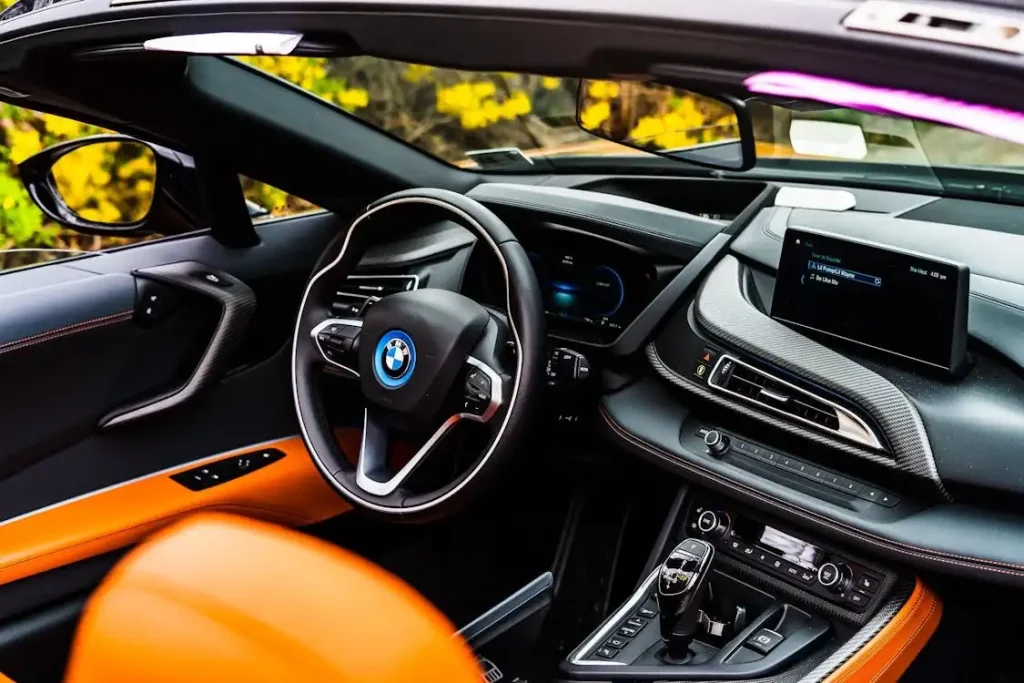
Electrification: Powering the Future of Mobility
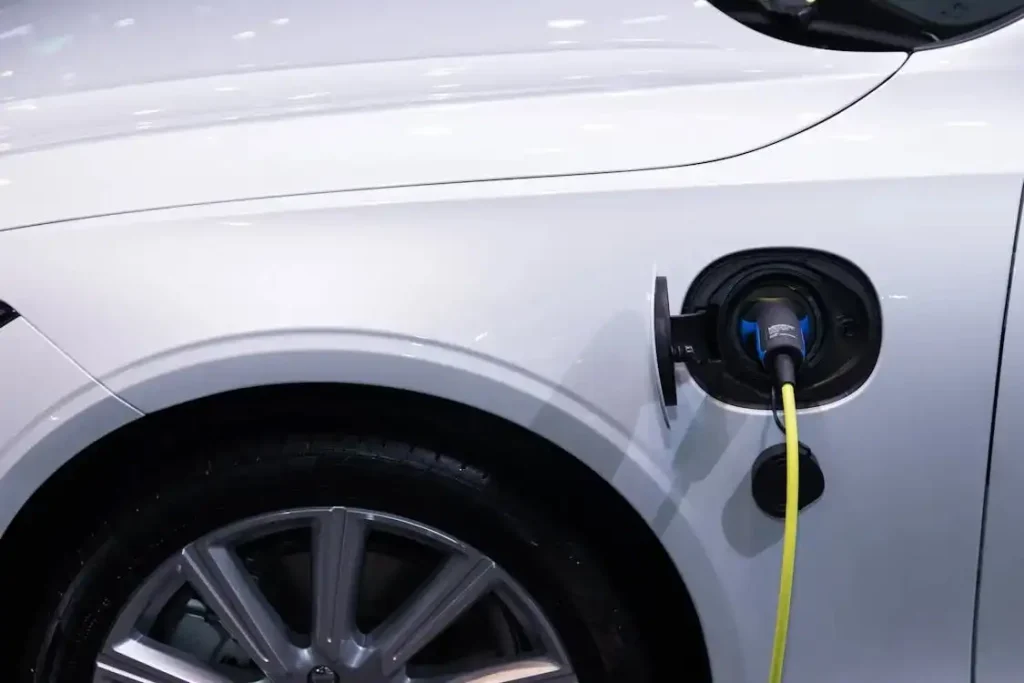
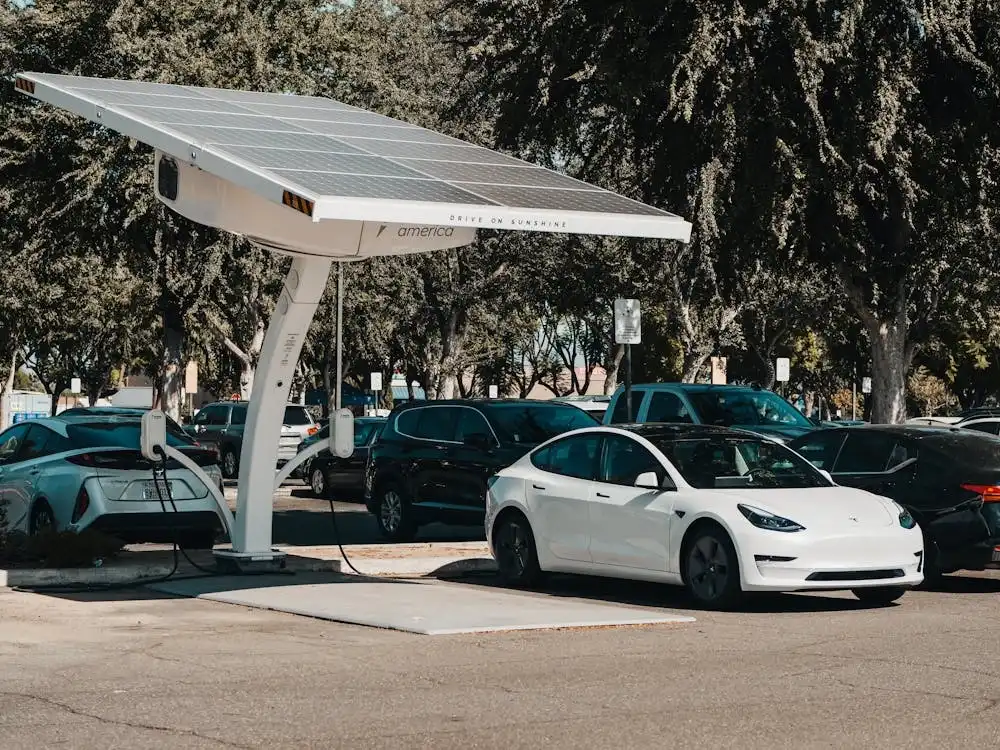
Another significant trend in automotive technology is the rapid adoption of electric vehicles (EVs). Spearheaded by companies like Tesla, Chevrolet, and Nissan, the EV market has seen exponential growth in recent years, driven by advancements in battery technology, charging infrastructure, and consumer demand for eco-friendly transportation.
As battery ranges continue to improve and charging times decrease, EVs are becoming a more viable and accessible option for a broader range of consumers. Moreover, integrating innovative charging technology, which allows vehicles to communicate with the power grid and optimize charging schedules, is expected to enhance the user experience and integration with renewable energy sources.
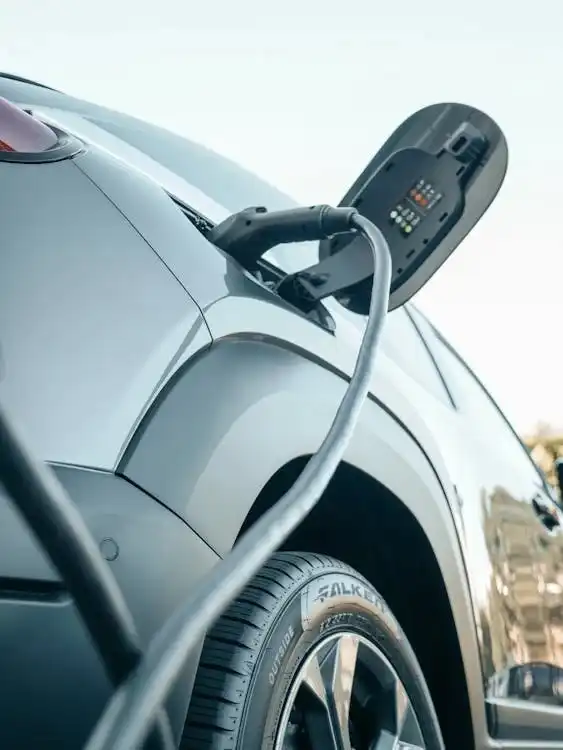
Beyond personal vehicles, transportation electrification is also extending to commercial applications, such as electric delivery vans and heavy-duty trucks. This shift towards electrification reduces carbon emissions and paves the way for a more sustainable future in the automotive industry.
Connected Cars: Integrating the Digital Ecosystem
The automotive industry is also embracing the power of connectivity, integrating advanced infotainment systems, voice assistants, and vehicle-to-everything (V2X) communication. These technologies are transforming the driving experience, allowing seamless integration between the car, the driver, and the surrounding digital ecosystem.
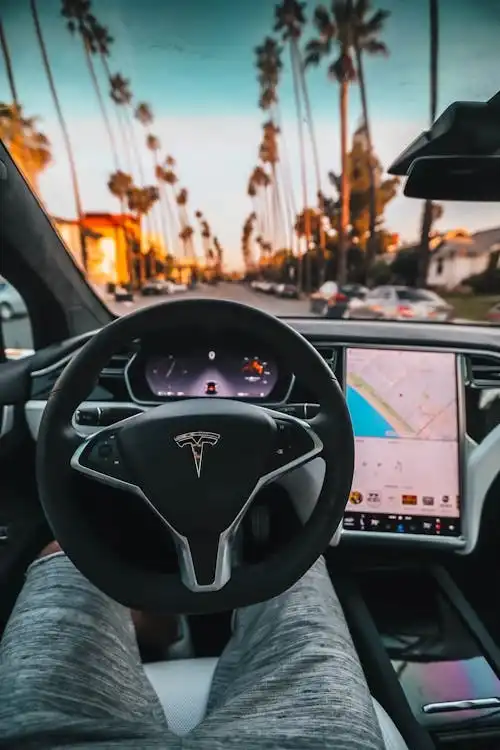
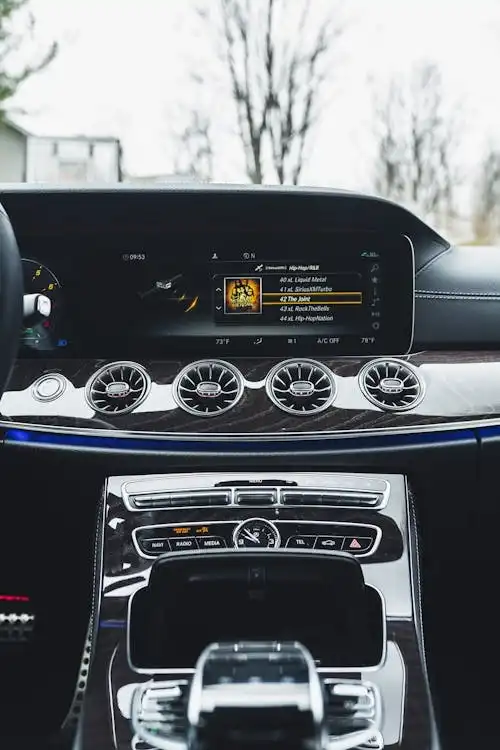
Infotainment systems with large, high-resolution touchscreens are becoming the norm, offering intuitive interfaces for controlling music, navigation, and various vehicle functions. Voice assistants, such as Alexa and Google Assistant, are also being integrated into these systems, enabling drivers to perform hands-free tasks like making calls, sending messages, and adjusting climate controls.
Furthermore, the development of V2X communication is revolutionizing how vehicles interact with their environment. This technology allows cars to communicate with infrastructure, other vehicles, and even pedestrians, enabling various applications, such as traffic optimization, accident avoidance, and real-time updates on road conditions and hazards.
Read: 2024 Dodge Hornet Performance Hybrid SUV [Deckersauto Review]

The Smart Home-Car Connection
As the automotive industry evolves, integrating cars and smart home technology becomes increasingly seamless. Drivers can now control various aspects of their home, such as the garage door, lights, and thermostat, directly from their vehicle’s infotainment system or through voice commands.
This integration adds convenience and enhances security by ensuring that homeowners can easily manage their home’s access and settings remotely. Additionally, the ability to sync a vehicle’s location and schedule with a smart home’s features can lead to further optimization, such as automatically adjusting the temperature or unlocking the door as the driver approaches their residence.
Read: 7 Signs of Diagnostic Test For Cars Identify Issues And rectify In America
The Future of Automotive Technology: A Glimpse Ahead
As the automotive industry continues to evolve, the future holds even more exciting advancements.
Here are some of the emerging trends and innovations that are shaping the road ahead:
Predictive Maintenance
Leveraging the power of the Internet of Things (IoT) and advanced data analytics, predictive maintenance systems will proactively monitor a vehicle’s performance and identify potential issues before they occur. It will allow for preemptive maintenance, reduce downtime, and ensure a more reliable and efficient driving experience.
Augmented Reality (AR) and Head-Up Displays (HUDs)
AR-enabled windshields and HUDs are poised to transform how drivers receive and process information. These technologies can enhance situational awareness and reduce distractions by overlaying vital data, navigation instructions, and even safety alerts directly on the driver’s line of sight.
Advanced Materials and Lightweight Design
Manufacturers are exploring innovative materials like carbon fiber and advanced composites to create lighter and more efficient vehicles. These materials not only improve fuel economy but also enhance the car’s overall performance and handling.

Personalized Customization
With the rise of connected car technology, vehicles will become increasingly personalized to the individual driver. From customizable user profiles to adaptive driving modes, the car of the future will be tailored to each user’s unique preferences and needs.
Read: How Many Days for Built Ford GT 1970
Embracing the Automotive Future
The automotive industry is transforming remarkably, driven by various technological advancements that are reshaping the driving experience. From the promise of autonomous vehicles to the integration of smart home technology, the future of the car holds immense potential to improve safety, efficiency, and connectivity.
As these innovations continue to evolve, the Modern Automotive Technology industry will play a pivotal role in shaping the world of tomorrow. By embracing this technological revolution, we can look forward to a future where transportation is more convenient, sustainable, intelligent, and tailored to the needs of the individual.
Read: How to Get The Right Automotive Batteries Near Me in The USA
| Feature | Description | Benefits |
| Autonomous Vehicles | Advanced self-driving systems that can navigate roads with minimal human intervention | – Improved safety by reducing accidents caused by human error<br>- Increased mobility for those unable to drive |
| Electric Vehicles (EVs) | Vehicles powered by electric motors and rechargeable batteries | – Reduced carbon emissions and a more sustainable future<br>- Advancements in battery technology and charging infrastructure |
| Connected Cars | Integration of advanced infotainment systems, voice assistants, and vehicle-to-everything (V2X) communication | – Seamless digital integration between the car, driver, and surrounding ecosystem<br>- Improved traffic optimization, accident avoidance, and real-time updates |
| Smart Home-Car Integration | Ability to control home features (garage, lights, thermostat) from the vehicle’s infotainment system or voice commands | – Increased convenience and security<br>- Optimization of home features based on vehicle location and schedule |
| Predictive Maintenance | Proactive monitoring of vehicle performance and identification of potential issues | – Reduced downtime and more reliable driving experience |
| Augmented Reality (AR) and Head-Up Displays (HUDs) | Overlaying of vital data, navigation instructions, and safety alerts directly on the driver’s line of sight | – Enhanced situational awareness and reduced driver distractions |
| Advanced Materials and Lightweight Design | Use of innovative materials, such as carbon fiber and advanced composites, for improved efficiency and performance | – Better fuel economy and enhanced handling |
| Personalized Customization | Customizable user profiles and adaptive driving modes tailored to individual preferences | – Improved user experience and seamless adaptation to driver’s needs |
More Automotive Update Visit Deckers Auto